
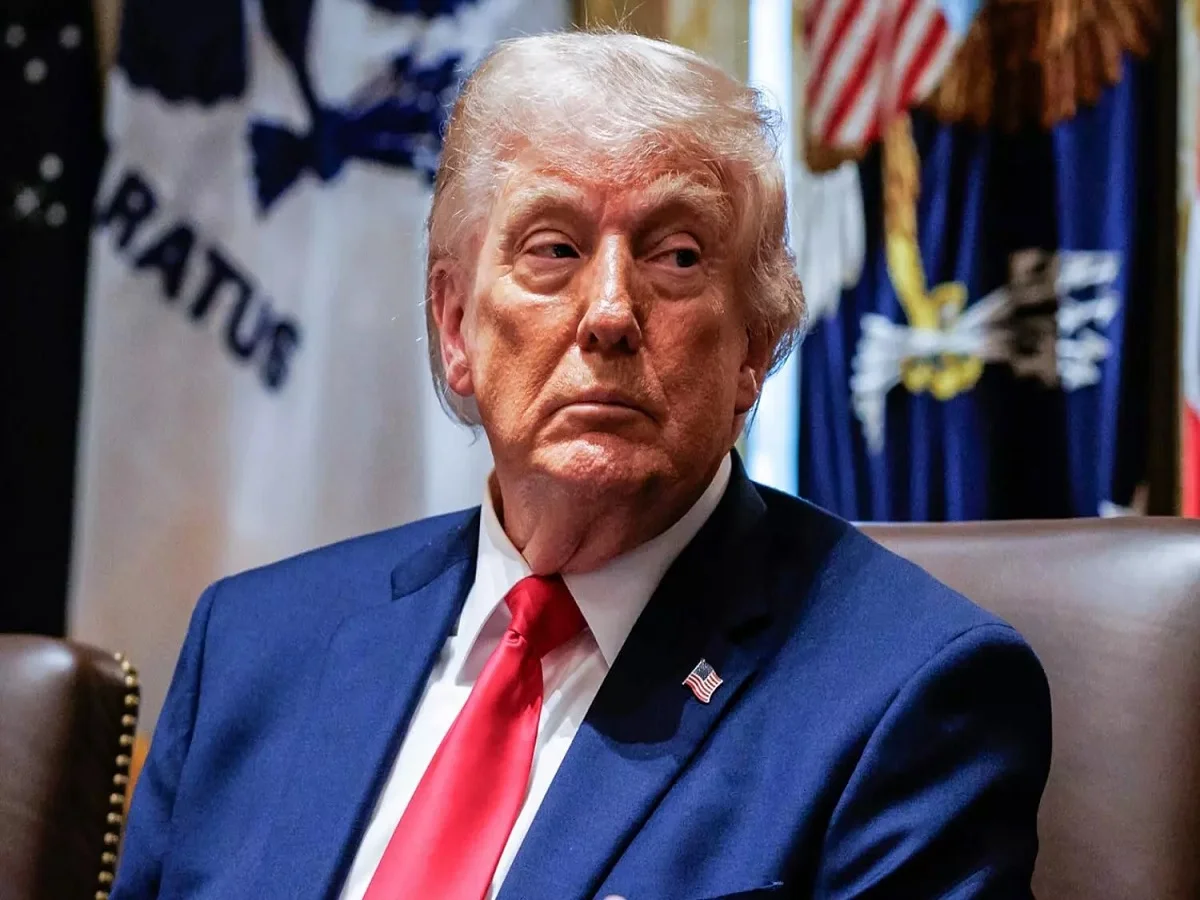
Tensions between the United States and Iran remain at the center of global attention as fresh statements from U.S. President Donald Trump have raised expectations about a potential breakthrough in ongoing negotiations linked to the strategic Strait of Hormuz.
In a series of remarks and social media posts, Trump indicated that the United States could move toward lifting its naval blockade in the region if Iran agrees to a set of major conditions, including a commitment never to develop nuclear weapons. The comments come amid continued diplomatic efforts aimed at reducing tensions and restoring stability in one of the world’s most important energy transit routes.
Why the Strait of Hormuz Matters
The Strait of Hormuz is considered one of the most strategically important waterways in the world. A significant share of global oil and energy shipments passes through this narrow maritime corridor connecting the Persian Gulf with international shipping routes.
Any disruption in traffic through the strait can affect global energy markets, increase crude oil prices, and create uncertainty for international trade. Because of its importance, developments in the region are closely monitored by governments, businesses, and financial markets worldwide.
Trump Outlines Conditions for Lifting the Blockade
According to statements shared by Trump on his social media platform Truth Social, the United States is prepared to consider ending the naval blockade if Iran agrees to several key demands. These include:
- A formal commitment that Iran will never develop a nuclear weapon.
- Immediate reopening of the Strait of Hormuz for unrestricted shipping traffic in both directions.
- No tolls or additional restrictions on international vessels using the route.
- Removal of any remaining naval mines from the region.
Trump stated that discussions regarding these conditions are part of broader efforts to reach a potential agreement aimed at extending the current ceasefire and reducing regional instability.
Claims About Mine Removal Operations
In his remarks, Trump also claimed that U.S. naval forces have already removed a significant number of underwater mines from the Strait of Hormuz using advanced mine-clearing technology.
He further asserted that only a limited number of mines may still remain in the area and urged Iran to ensure that any remaining threats to maritime navigation are eliminated as quickly as possible.
The safety of commercial shipping remains a major concern because prolonged disruptions could impact global supply chains and energy exports.
Decision on Iran Deal Still Pending
Despite Trump's optimistic tone, officials from both sides have indicated that negotiations are still ongoing and that no final agreement has yet been formally approved.
Trump said he was holding meetings in the White House Situation Room to make a "final determination" on the proposed arrangement. The potential framework reportedly includes extending the ceasefire period while broader discussions on Iran’s nuclear program continue.
However, Iranian officials have publicly disputed several aspects of the proposed terms and stated that no final deal has been reached so far. Tehran has emphasized that negotiations remain under discussion and that any agreement would depend on concrete actions rather than public statements.
Trump Says Stranded Ships Could Begin Returning
The U.S. President also suggested that vessels affected by the blockade could soon prepare to resume normal movement if progress continues.
According to Trump, ships currently delayed because of restrictions in the Strait of Hormuz may be able to begin planning return voyages once conditions for reopening the route are finalized.
The announcement has drawn attention from shipping companies and energy markets, which have faced uncertainty during months of heightened tensions in the region.
Global Focus Remains on Upcoming Decision
With negotiations still underway, international observers are closely watching developments between Washington and Tehran.
The outcome of the talks could have major implications for global oil prices, regional security, maritime trade, and future diplomatic relations between the two countries. While discussions appear to be moving forward, significant differences remain on several key issues, including nuclear commitments, sanctions, and control of maritime routes.
For now, the world awaits a final decision that could determine whether the Strait of Hormuz returns to unrestricted commercial activity or remains a focal point of geopolitical tension.