LIFESTYLE
Think Twice Before Reusing Plastic Water Bottles: 5 Reasons Health Experts Recommend Safer Alternatives
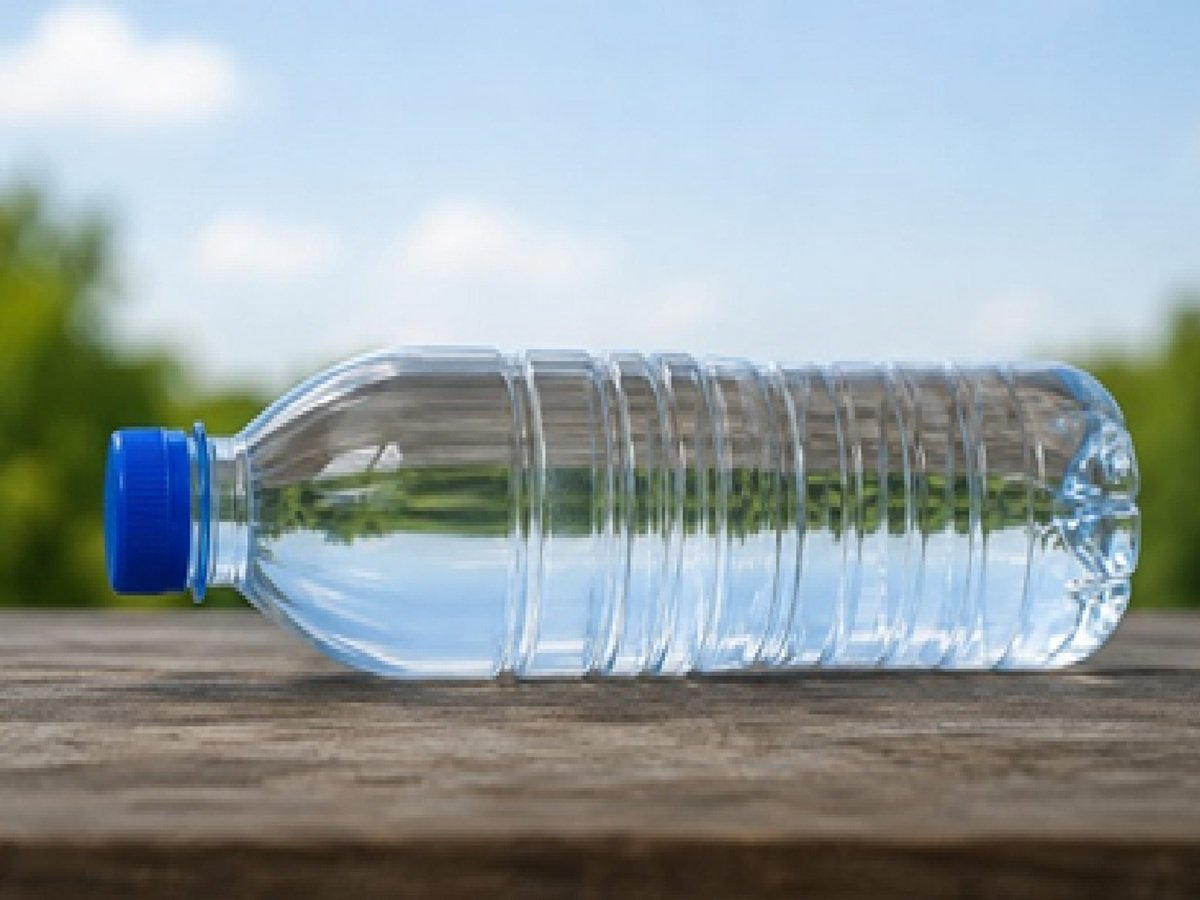
Plastic water bottles have become an everyday convenience for millions of people. Whether at work, during travel, at the gym, or while commuting, these lightweight and inexpensive bottles make it easy to stay hydrated on the go. However, health and environmental experts increasingly warn that regular use—especially repeated reuse—of plastic water bottles may carry risks that many consumers overlook.
While occasional use of food-grade plastic bottles is generally considered safe when used as intended, prolonged exposure to heat, repeated reuse, improper cleaning, and environmental concerns have raised questions about their long-term impact on both human health and the planet.
Here are five important reasons why experts recommend limiting the use of disposable plastic water bottles and switching to safer reusable alternatives whenever possible.
1. Chemicals May Leach Into Drinking Water
One of the primary concerns surrounding plastic bottles is the possibility of certain chemicals migrating from the plastic into the water under specific conditions.
When plastic bottles are exposed to:
- Direct sunlight
- High temperatures
- Hot vehicles
- Extended storage periods
the risk of chemical leaching may increase.
Some older plastics have been associated with compounds such as BPA (Bisphenol A), while other plastics may release different chemical substances when degraded. Although many manufacturers now produce BPA-free bottles, experts still recommend avoiding unnecessary heat exposure and prolonged reuse of disposable plastic containers.
2. Reused Bottles Can Become a Breeding Ground for Germs
Many people refill and reuse disposable plastic bottles multiple times without properly cleaning them.
Over time, this can lead to:
- Bacterial growth
- Mold development
- Accumulation of microorganisms
- Contamination around the bottle opening
Small cracks and scratches that develop during repeated use can create spaces where bacteria may thrive, making thorough cleaning more difficult.
Without proper sterilization and maintenance, repeatedly reused bottles may become less hygienic than many people realize.
3. Heat Can Accelerate Plastic Degradation
Plastic is particularly vulnerable to damage when exposed to elevated temperatures.
Leaving a plastic water bottle in:
- A parked car
- Direct sunlight
- Outdoor environments during summer
- Near heat-generating appliances
can accelerate the breakdown of the material.
As plastic deteriorates, it may affect both the taste and quality of the stored water. High temperatures can also increase the likelihood of chemical migration from the bottle into the liquid.
This concern becomes especially relevant during summer months when temperatures can exceed 40°C in many regions.
4. Microplastics May Enter the Human Body
Microplastics are tiny plastic particles that are often too small to be seen with the naked eye.
Recent studies have detected microplastic particles in various environmental sources, including:
- Bottled water
- Oceans
- Soil
- Food products
- Air
Scientists continue to investigate the long-term health effects of microplastic exposure. While research is ongoing, concerns remain about the potential accumulation of these particles in the human body over time.
Reducing reliance on single-use plastic products may help limit exposure to microplastics and contribute to broader environmental protection efforts.
5. Plastic Waste Creates Serious Environmental Problems
Beyond personal health concerns, plastic bottles contribute significantly to environmental pollution.
Discarded plastic bottles can:
- Remain in the environment for decades
- Pollute rivers, lakes, and oceans
- Harm wildlife and marine ecosystems
- Contribute to growing landfill waste
Although recycling programs exist, a large percentage of plastic waste is not successfully recycled and ultimately ends up in the environment.
Reducing single-use plastic consumption is widely considered one of the most effective ways individuals can help decrease plastic pollution.
Health Experts Recommend Safer Alternatives
Many health and environmental professionals suggest replacing disposable plastic bottles with reusable options made from more durable materials.
Popular alternatives include:
Stainless Steel Bottles
- Durable and long-lasting
- Easy to clean
- Resistant to heat damage
- Environmentally friendly
Glass Bottles
- Free from plastic-related concerns
- Do not absorb odors or flavors
- Suitable for repeated use
High-Quality BPA-Free Reusable Bottles
- Designed specifically for long-term reuse
- More durable than single-use bottles
- Available in various sizes and designs
Tips for Safer Hydration
To minimize risks and improve safety:
- Avoid leaving water bottles in hot vehicles.
- Replace damaged or cracked bottles.
- Wash reusable bottles regularly.
- Store water in cool environments.
- Choose reusable containers designed for repeated use.
The Bottom Line
Plastic water bottles offer convenience, but frequent reuse and exposure to heat may raise concerns related to hygiene, material degradation, chemical migration, and environmental impact. While occasional use is generally considered safe when handled properly, experts increasingly encourage consumers to adopt reusable alternatives such as stainless steel or glass bottles for everyday hydration.
Making a simple switch to a durable reusable bottle can help reduce plastic waste, support environmental sustainability, and provide a safer long-term solution for staying hydrated.
Disclaimer: This article is for informational purposes only and should not be considered medical advice. Research on plastics, chemicals, and microplastics continues to evolve. Consumers should follow manufacturer guidelines and consult relevant health authorities for the latest recommendations.