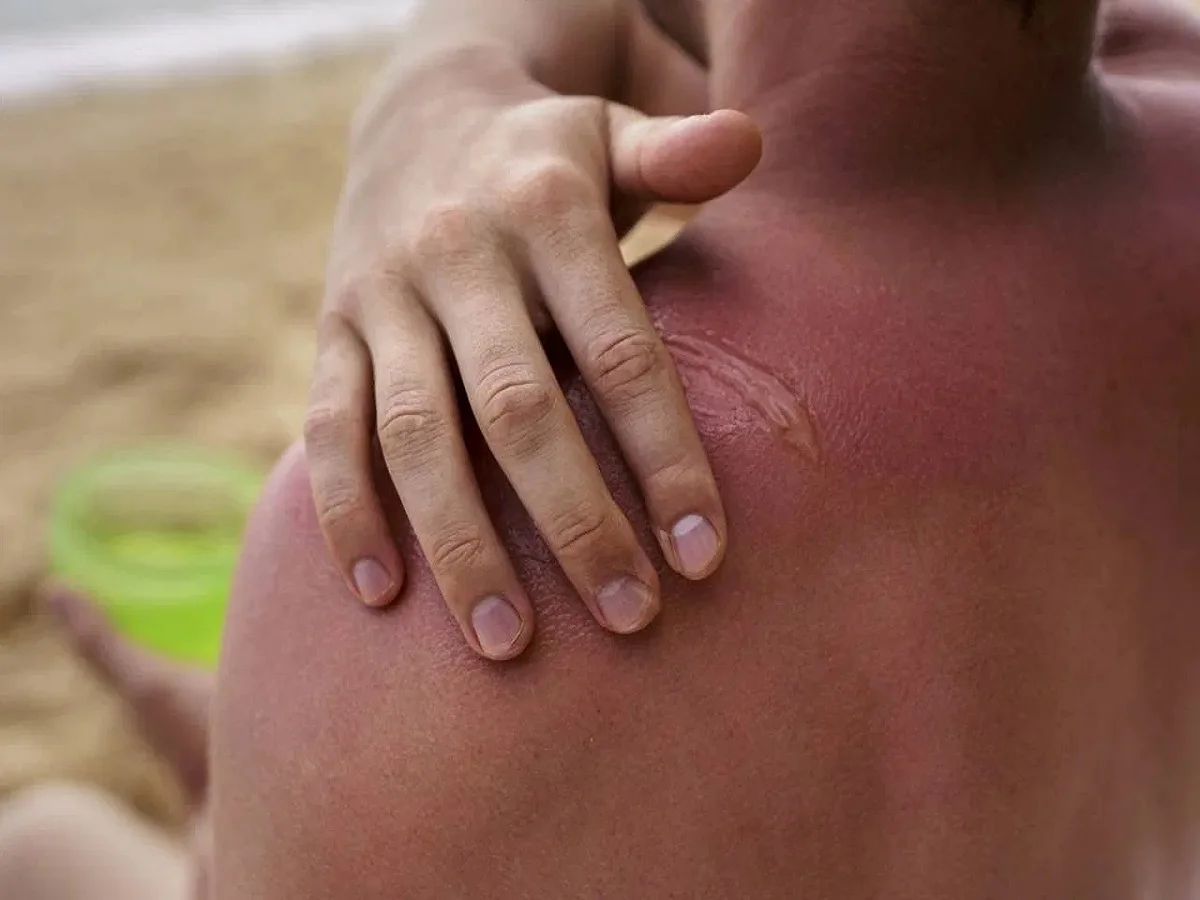
With temperatures crossing 45°C in several parts of India, summer-related health problems are increasing rapidly. Along with dehydration and heat exhaustion, one of the most common skin issues affecting both children and adults during extreme heat is prickly heat, also known as heat rash or “ghamoriya.”
Children are especially more vulnerable because their skin is sensitive and they sweat more while playing outdoors. These tiny red rashes can cause severe itching, burning sensation, irritation, and discomfort, particularly during humid weather conditions.
Fortunately, several simple home remedies and preventive measures can help soothe the skin and provide relief naturally.
Why Do Heat Rashes Occur?
Heat rashes mainly develop when sweat gets trapped under the skin due to blocked sweat glands.
During hot and humid weather, excessive sweating combined with dirt, oil, and dead skin cells can clog sweat ducts, leading to small itchy bumps and redness on the skin.
Common Causes of Heat Rash
- Excessive sweating in hot weather
- Humidity and poor ventilation
- Wearing tight or synthetic clothes
- Blocked sweat glands
- Dust and oil buildup on the skin
Heat rashes are commonly seen on:
- Neck
- Back
- Chest
- Underarms
- Waist area
- Skin folds
Effective Home Remedies for Heat Rash
Several traditional remedies can help calm irritated skin and reduce itching naturally.
Aloe Vera Gel
Aloe vera is widely known for its cooling and antibacterial properties.
Applying fresh aloe vera gel directly to affected areas can help reduce redness, burning, and irritation caused by heat rash.
How to Use
- Extract fresh aloe vera gel
- Apply gently on the rash-affected area
- Leave it for 15–20 minutes
- Wash with cool water
This remedy is especially useful for the neck and back areas.
Sandalwood Paste
Sandalwood has natural cooling and anti-inflammatory properties that may help soothe irritated skin.
How to Prepare
- Mix sandalwood powder with rose water
- Make a smooth paste
- Apply it to the affected area
- Leave it until semi-dry before rinsing
This may help reduce heat, redness, and itching.
Multani Mitti (Fuller’s Earth)
Multani Mitti is a traditional summer skincare remedy commonly used in India.
It helps absorb excess oil and heat from the skin while providing a cooling effect.
How to Use
- Mix Multani Mitti with rose water
- Apply the paste gently on the rash
- Allow it to dry partially
- Wash off with cool water
This can help reduce inflammation and skin irritation during intense summer heat.
Neem Paste
Neem leaves are known for their antibacterial and antifungal properties.
Neem can be particularly helpful in preventing skin infections associated with excessive sweating and rashes.
Ways to Use Neem
- Boil neem leaves in water and use the cooled water for bathing
- Or grind neem leaves into a paste and apply to the affected area
This remedy may help reduce itching and prevent bacterial irritation.
Coconut Oil and Camphor
Coconut oil mixed with camphor is another popular home remedy used to soothe prickly heat.
This combination may help relieve:
- Itching
- Burning sensation
- Skin irritation
However, camphor should be used in very small quantities, especially for children with sensitive skin.
Important Summer Care Tips for Children
Along with home remedies, following a few daily precautions can help prevent heat rashes from worsening.
Helpful Prevention Tips
- Make children wear loose cotton clothes
- Avoid tight and synthetic fabrics
- Keep the skin clean and dry
- Encourage frequent water intake
- Avoid excessive sweating whenever possible
- Give regular baths during extremely hot days
- Keep children indoors during peak afternoon heat
Hydration Is Extremely Important
Doctors advise ensuring children stay hydrated throughout the day during summer.
Along with water, cooling drinks such as:
- Coconut water
- Buttermilk
- Lemon water
- Fresh fruit juices
can help maintain hydration and reduce body heat naturally.
When to Consult a Doctor
Although heat rashes usually improve with proper care, medical attention may be needed if:
- The rash becomes severe
- Pus or infection develops
- Fever appears
- The child experiences excessive discomfort
- Symptoms persist for several days
Parents should avoid scratching the affected area to prevent infection.
Final Thoughts
Heat rashes are a very common summer problem, especially among children, but they can usually be managed effectively with simple precautions and natural remedies.
Keeping the body cool, maintaining hygiene, wearing breathable cotton clothes, and using soothing ingredients like aloe vera, neem, and sandalwood can provide significant relief during extreme heat conditions.
As temperatures continue to rise across India, protecting children from heat-related skin issues has become more important than ever.