NEWS
Smartwatch Buying Guide 2026: Six Essential Health and Fitness Features You Should Check Before Spending Money
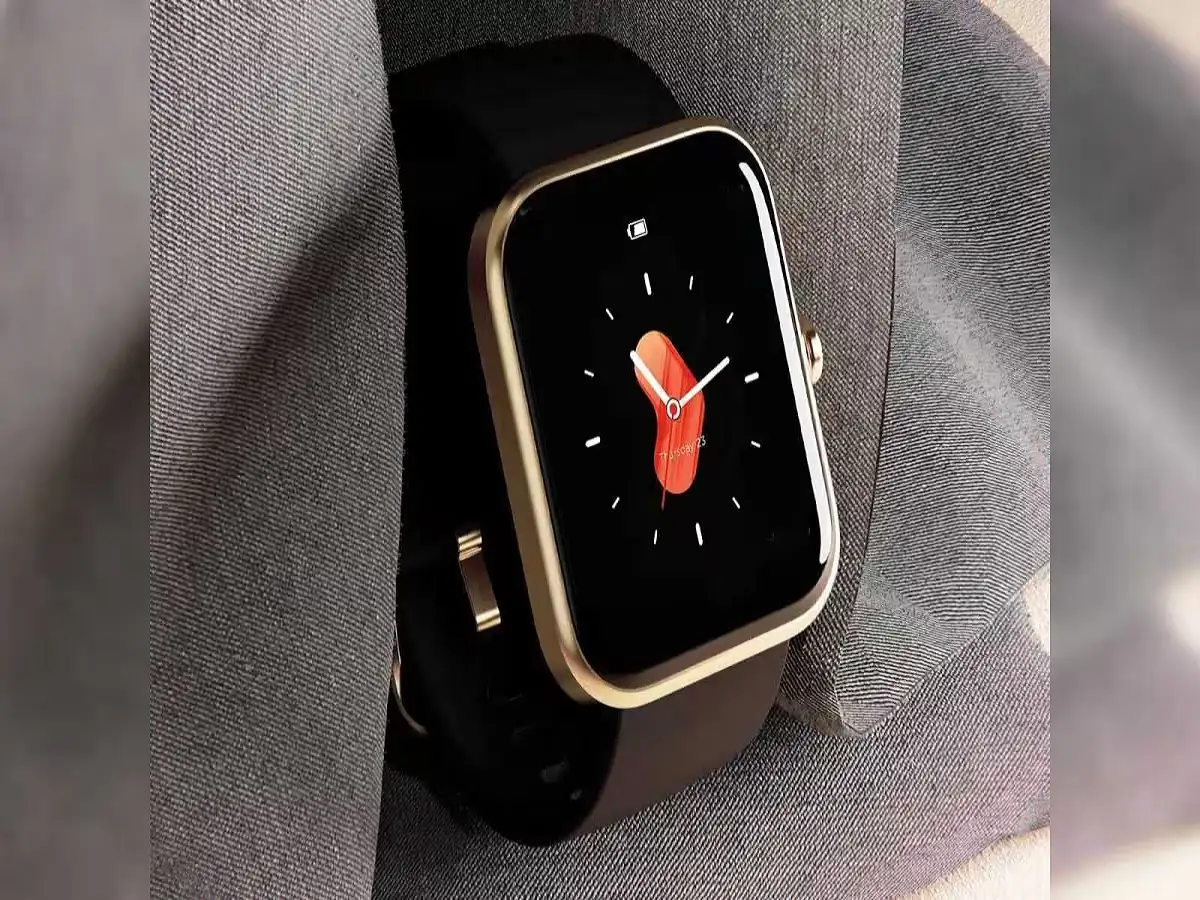
Smartwatch Buying Tips: Smartwatches have evolved significantly over the past few years. Once considered fashionable accessories for checking notifications and time, these wearable devices have now become useful tools for monitoring fitness activities, sleeping habits and various health indicators.
From affordable fitness watches to premium wearable devices, manufacturers are introducing advanced sensors and intelligent health-tracking capabilities to attract customers. However, choosing the right smartwatch can be challenging, especially when several models offer similar designs at different price points.
Instead of focusing only on appearance, display size or Bluetooth calling, buyers should carefully examine the health-monitoring capabilities of a smartwatch. Here are six important features worth considering before purchasing a new wearable device.
1. Continuous Heart Rate Tracking
Heart rate monitoring is one of the most useful functions available on modern smartwatches. Built-in optical sensors allow these devices to estimate the user's pulse during everyday activities, workouts and periods of rest.
Many smartwatches also provide detailed reports showing changes in heart rate throughout the day. Certain advanced models can send notifications when the heart rate goes above or below predefined limits.
This feature can be particularly useful for fitness enthusiasts who want to understand their workout intensity and recovery patterns.
Before purchasing a smartwatch, check whether it supports continuous heart rate monitoring or only provides readings when manually activated.
2. Blood Oxygen Monitoring for Better Health Awareness
Blood oxygen saturation monitoring, commonly known as SpO2 tracking, has become another popular feature in wearable technology.
Smartwatches equipped with compatible optical sensors can estimate the percentage of oxygen carried in the blood. Depending on the model, users may be able to check their oxygen saturation manually or monitor changes during sleep.
This functionality can provide additional insights into general wellness and sleeping patterns. However, readings may be affected by movement, sensor positioning, skin temperature and other factors.
Consumers should remember that smartwatch-based oxygen measurements are not necessarily equivalent to readings obtained through medical-grade pulse oximeters.
3. ECG Support for Heart Rhythm Monitoring
If advanced cardiac monitoring is among your priorities, consider checking whether the smartwatch offers electrocardiogram (ECG) functionality.
An ECG-enabled smartwatch can record certain electrical signals generated by the heart. Compatible devices may also analyse these recordings to identify signs of specific irregular heart rhythms, including atrial fibrillation (AFib).
Some premium smartwatches allow users to save ECG reports and share them with healthcare professionals when required.
However, ECG functionality is not available on every smartwatch. Its availability may also depend on regional regulatory approvals, software compatibility and device specifications.
Smartwatch ECG readings cannot detect every heart condition or replace professional medical examinations.
4. Advanced Sleep Analysis
Poor sleeping habits can affect energy levels, concentration and overall well-being. A smartwatch with comprehensive sleep-tracking capabilities can help users better understand their nightly routines.
Modern wearable devices can estimate several sleep-related indicators, including:
- Total sleeping duration
- Light and deep sleep stages
- Rapid Eye Movement (REM) sleep
- Night-time awakenings
- Sleeping and waking schedules
- Overall sleep consistency
Some models also generate daily sleep scores and personalised suggestions based on recorded activity.
When selecting a smartwatch for overnight monitoring, consider battery life, strap comfort and device weight. A lightweight smartwatch with longer battery backup may be more convenient for regular sleep tracking.
5. Stress Management and Heart Rate Variability
Managing everyday stress has become an important aspect of personal wellness. Several smartwatch manufacturers now offer stress-monitoring tools based partly on heart rate variability (HRV).
HRV measures variations in the time intervals between consecutive heartbeats. These variations can be influenced by physical activity, recovery, sleep quality, illness and psychological stress.
Compatible smartwatches use this information alongside other indicators to estimate stress levels and provide wellness insights.
Certain devices also include guided breathing exercises, relaxation reminders and recovery assessments.
Although these features may help users recognise changes in their daily routines, smartwatch stress scores should not be considered a medical diagnosis.
6. Blood Pressure Tracking
Blood pressure monitoring is another advanced feature available on selected smartwatch models.
Depending on the technology used, these devices may estimate blood pressure or use specialised miniature cuff systems to obtain measurements. Some models require periodic calibration with a conventional blood pressure monitor.
Users can review recorded measurements over time to observe changes and maintain a personal health log.
Before buying a smartwatch specifically for blood pressure monitoring, verify whether the feature has undergone appropriate clinical validation and received relevant regulatory clearance.
People managing hypertension should continue using a validated blood pressure monitor and follow their doctor's recommendations.
Smartwatch Health Features at a Glance
| Smartwatch Feature | Primary Benefit |
|---|---|
| Heart Rate Monitoring | Tracks pulse during rest and physical activities |
| SpO2 Monitoring | Estimates blood oxygen saturation |
| ECG Monitoring | Records certain electrical signals of the heart |
| Sleep Tracking | Provides insights into sleeping habits |
| Stress and HRV Tracking | Helps assess stress and recovery trends |
| Blood Pressure Monitoring | Helps track blood pressure changes on supported devices |
Other Important Factors to Consider Before Buying a Smartwatch
Apart from health and fitness tracking, customers should also evaluate practical features that can improve their everyday experience.
Battery backup, water resistance, built-in GPS, display brightness, smartphone compatibility, Bluetooth calling and software support are important considerations.
Buyers should also check the manufacturer's privacy policy, warranty coverage, after-sales service and whether advanced health reports require a paid subscription.
A smartwatch offering numerous features at a surprisingly low price may not necessarily provide reliable health measurements. Sensor quality and measurement accuracy are often more important than the number of advertised functions.
Choose a Smartwatch That Matches Your Lifestyle
The best smartwatch is not necessarily the most expensive one. Your purchasing decision should depend on your daily routine, fitness goals, budget and specific requirements.
While basic heart rate and sleep tracking may be sufficient for everyday users, fitness enthusiasts may benefit from detailed recovery analysis, GPS tracking and advanced workout monitoring.
Comparing specifications, checking independent reviews and understanding the limitations of health sensors can help you make a more informed purchasing decision.
Disclaimer: Smartwatch health readings are intended primarily for wellness and monitoring purposes. They should not replace professional medical advice, diagnosis or treatment.