
LIFESTYLE
Smart Home Security Tips: Could Your Smart Gadgets Be Collecting More Data Than You Think?
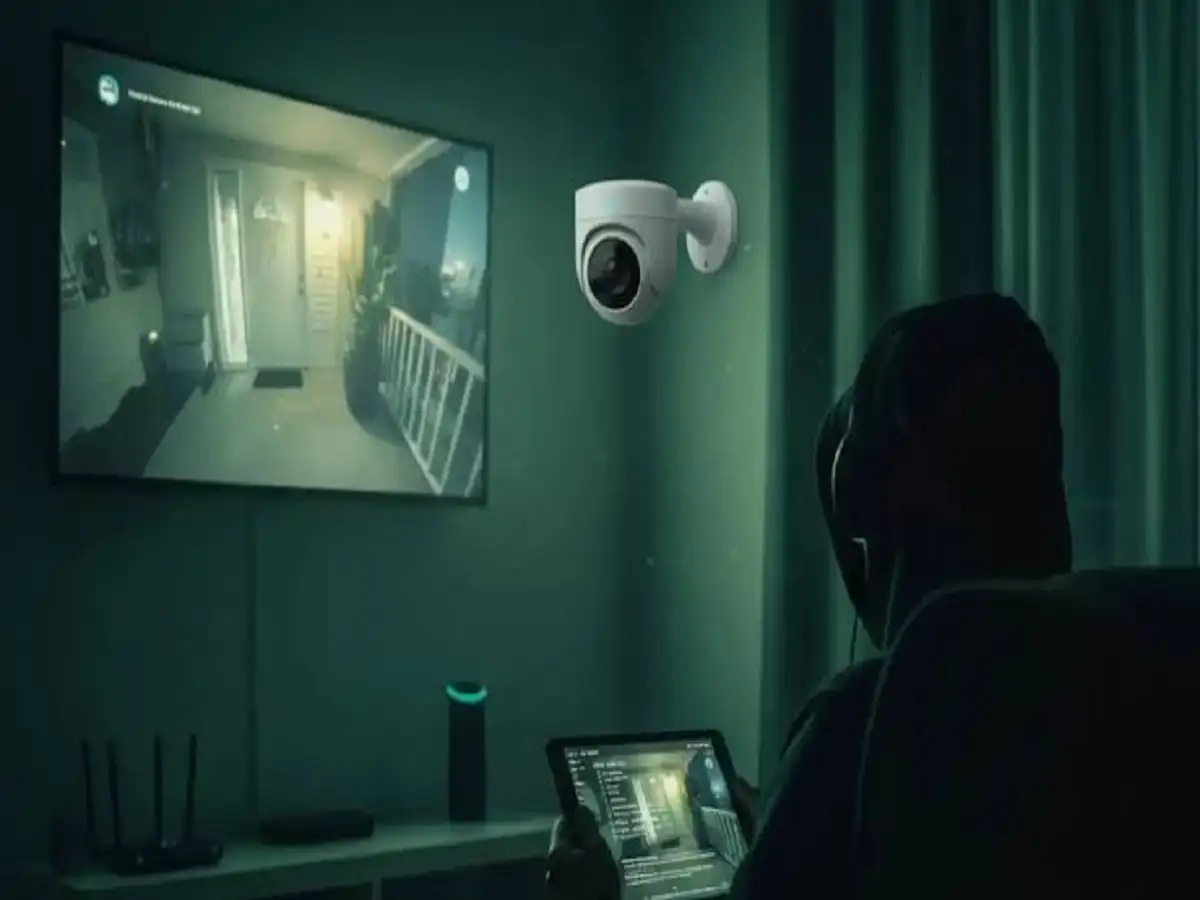
Smart TVs, speakers, Wi-Fi cameras, and other connected devices make life easier, but they also collect large amounts of data. Here's how to protect your privacy.
Smart home devices such as smart TVs, voice assistants, Wi-Fi CCTV cameras, robot vacuum cleaners, and smart speakers have become common in many households. These Internet of Things (IoT) devices offer convenience by allowing users to control appliances, monitor homes remotely, and automate daily tasks.
However, because many of these devices rely on cameras, microphones, sensors, and cloud connectivity, they also collect data that may include personal information. While manufacturers use this data to improve functionality, cybersecurity experts advise users to understand the privacy settings and secure their devices properly.
1. Smart Devices Continuously Collect Data
Many connected devices remain online around the clock and may collect information such as:
- Voice commands
- Device usage patterns
- Motion detection
- Location-related information
- Viewing preferences (on supported smart TVs)
This data helps devices perform personalized functions, but it may also contribute to detailed user profiles depending on the device and its privacy policy.
2. Why Smart Homes Can Create Privacy Risks
A smart home is more than a collection of gadgets—it is an ecosystem of connected devices that frequently communicate with cloud servers.
If privacy settings are not properly configured or security is weak, potential risks may include:
- Exposure of personal conversations.
- Storage of images or videos in cloud services.
- Tracking of daily routines.
- Unauthorized access following a security breach.
Most reputable manufacturers provide security features, but users also play an important role in protecting their devices.
3. Previous Incidents Highlight Privacy Concerns
Over the years, researchers and regulators have investigated privacy issues involving certain smart devices.
Examples include:
- Reports of robot vacuum cleaners capturing indoor images that were later improperly handled during AI data processing.
- Smart TVs using Automatic Content Recognition (ACR) technology to collect viewing data (where enabled and disclosed).
- Voice assistants storing recordings after activation to improve speech recognition.
- Cloud-based data exposures resulting from security vulnerabilities or misconfigured systems.
These incidents underline the importance of reviewing privacy settings and understanding how connected devices handle data.
4. Wi-Fi Cameras and Baby Monitors Require Extra Protection
Internet-connected security cameras and baby monitors are frequent targets for cybercriminals when basic security practices are ignored.
Common vulnerabilities include:
- Weak passwords.
- Default login credentials.
- Outdated firmware.
- Unsecured remote access.
If compromised, attackers may attempt to access:
- Live camera feeds.
- Recorded footage.
- Camera controls.
- Home surveillance systems.
5. Hackers Often Want More Than Photos
Cybercriminals may also seek behavioral information rather than just images.
Depending on the device and its permissions, connected gadgets could reveal patterns such as:
- When residents leave or return home.
- Daily routines.
- Typical sleeping hours.
- Number of occupants.
- Frequently used devices.
- Voice samples.
Such information could potentially be misused in phishing attacks, identity theft, voice-cloning scams, or other forms of cybercrime.
How to Protect Your Smart Home
To improve the security of your connected devices:
- Change default usernames and passwords immediately.
- Use strong, unique passwords for every device.
- Enable two-factor authentication where available.
- Install firmware and software updates regularly.
- Disable microphones or cameras when they are not needed.
- Review privacy settings and limit unnecessary data sharing.
- Secure your Wi-Fi network with WPA3 or WPA2 encryption and a strong password.
- Buy smart devices from trusted brands that provide regular security updates.
Convenience and Privacy Can Go Together
Smart home devices offer significant convenience, but they should be used with appropriate security measures. By regularly updating devices, managing privacy settings, and following good cybersecurity practices, users can enjoy the benefits of smart technology while reducing potential privacy and security risks.