Zoonotic Disease: In France, the infection was confirmed in a patient with a weakened immune system, highlighting the need to monitor the spread of the infection to humans.

What are the symptoms and prevention of Shamonda virus?
What Is Shamonda Virus Symptoms And Transmission: Concerns about the virus have increased after the first case of human infection with Shamonda virus was reported in France. The infection was confirmed in a patient with a weakened immune system. The patient died in early October. This case has highlighted the need to monitor animal-to-human transmission, especially in countries with a large animal population, including India.
However, the circumstances surrounding this case in France are still under investigation. Experts say this case highlights the need to monitor animal infections, identify disease-causing insects, and investigate unusual patterns of disease in humans and animals. India has one of the world's largest livestock populations and is home to a variety of blood-sucking insects, including Culicoides midges, which are known to spread a variety of diseases in animals. However, the presence of these insects and the large number of livestock in India cannot in itself be considered a risk factor for Schmallenberg virus infection.
India's large animal populations, a challenge for monitoring
India's livestock sector is crucial to the livelihoods of millions of families. Animals play a significant role in the dairy, meat, and related agricultural industries. Therefore, monitoring animal diseases is not only crucial for agricultural production, but also for the early detection of infections that could impact human health.
According to the 20th Livestock Census in 2019, India had approximately 535.8 million livestock, including 192.5 million cattle, 109.9 million buffaloes, 74.3 million sheep, and 148.9 million goats.
What do experts say?
Dr. Navneet Kashyap, a health expert and active among villagers in the Bhojpur region of Bihar, notes these statistics, saying that veterinary officials face a daunting task in monitoring both old and new infections. However, he also clarified that the increased number of animals alone does not necessarily increase the risk of Shamonda virus
According to him, the case in France certainly highlights the need to investigate unusual patterns of disease in animals, and to see if there is a link between animal infections, the insects that transmit the disease, and human disease.
What is Shamonda virus?
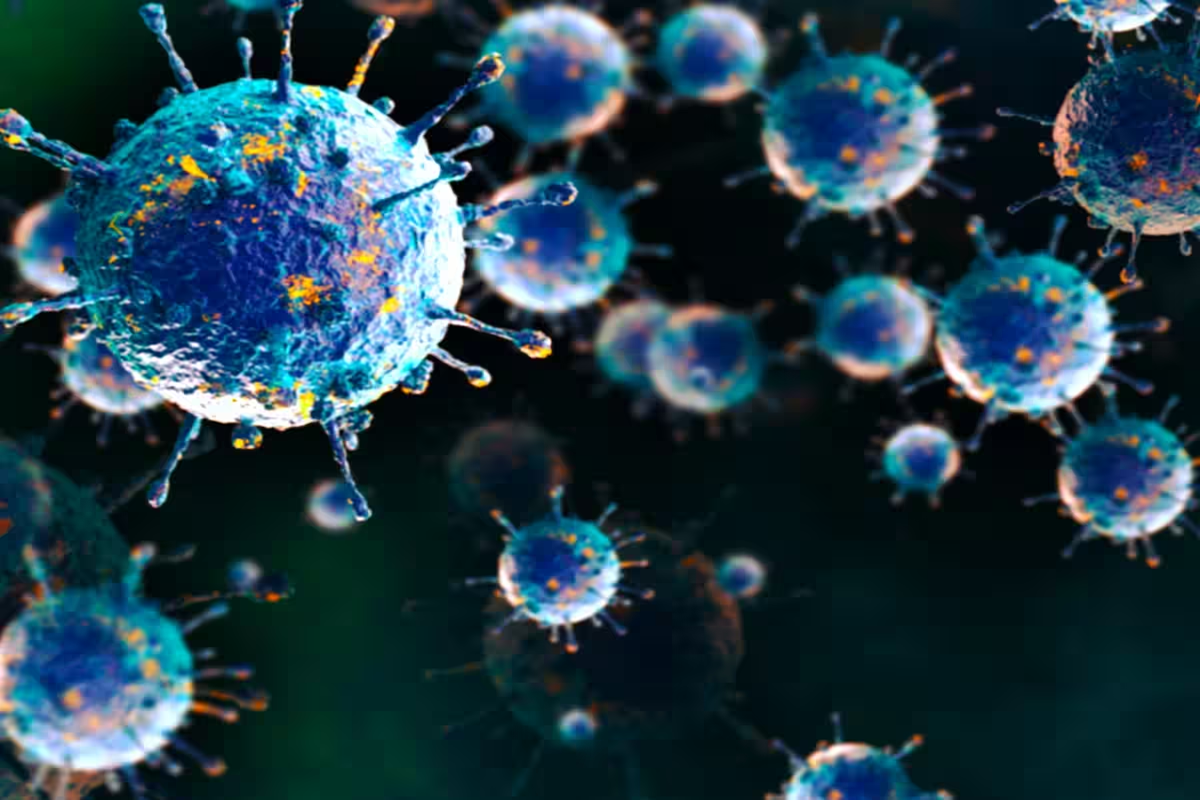
Shamonda virus is a virus in the Orthobunyavirus family and belongs to the Simbu serogroup. It is primarily associated with animals, especially cattle. Its transmission route is linked to blood-sucking insects, including Culicoides midges.
Animals infected with this virus can experience fever, diarrhea, reduced milk production, and problems with calving. However, these symptoms are not unique to Shamonda virus infections. Similar symptoms can be seen in many other animal diseases.
According to Dr. Kashyap, laboratory tests and disease transmission investigations are essential to determine the cause of a suspected infection. Symptoms alone cannot confirm infection with a specific virus. Infection in a person does not, in itself, prove that the virus can spread easily between humans. The route of infection for the French patient and the role of the virus in his death both require careful investigation.
Why is the focus on the Culicoides midge?
Culicoides are tiny, blood-sucking insects found in many parts of the world. Several species are also present in India. Their activity and numbers can be influenced by climatic factors such as temperature, humidity, rainfall, and available breeding habitat. Some Culicoides species play a role in transmitting diseases in animals, including bluetongue virus and some viruses belonging to the Simbu group. However, the presence of these insects in India does not provide evidence that they also transmit Shamonda virus.