LIFESTYLE
Second-Hand Smoke Can Damage Your Health Without You Smoking: Know the Risks and Who Is Most Vulnerable
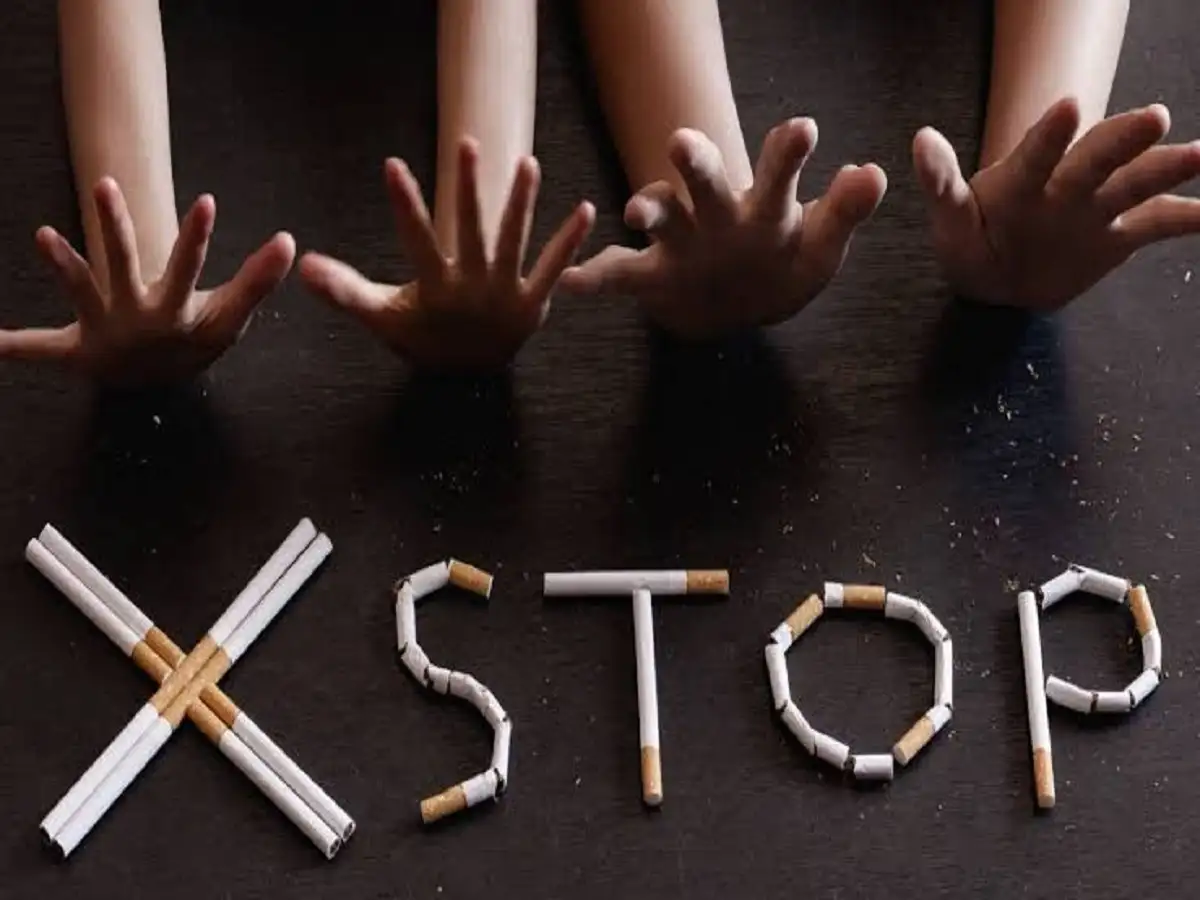
You do not have to smoke a cigarette yourself to be exposed to the health risks associated with tobacco smoke. Simply spending time around someone who smokes can expose your body to harmful chemicals through what is known as second-hand smoke.
Second-hand smoke refers to tobacco smoke inhaled involuntarily by people near someone who is smoking. Exposure can occur at home, inside vehicles, at workplaces or in other enclosed and poorly ventilated spaces.
While smoking is a well-established cause of cancer and several other serious diseases, passive exposure is also a major public-health concern. Children, pregnant women, older adults and people who spend considerable time around smokers can be particularly vulnerable.
Data cited in the source article suggests that hundreds of millions of people in India were exposed to second-hand smoke in 2023, highlighting how tobacco-related harm can extend far beyond people who actively smoke.
Millions in India Are Exposed to Second-Hand Smoke
According to the study figures cited in the report, an estimated 444 million people in India were exposed to second-hand tobacco smoke in 2023.
The report placed India behind China in terms of the total number of people exposed.
It also estimated that second-hand smoke was associated with approximately 325,000 deaths in India during 2023.
These numbers underline an important point: the health consequences of tobacco use are not limited to smokers themselves. Family members, co-workers and others sharing the same environment can also face health risks.
Death Toll Has Increased Compared With 1990
The figures cited in the report indicate that the number of deaths associated with second-hand smoke in India has increased over the past three decades.
In 1990, approximately 217,000 deaths were attributed to second-hand smoke exposure. By 2023, that figure was estimated at around 325,000.
That represents an increase of roughly 50% in the absolute number of deaths over the period.
The estimated number of people exposed also increased from approximately 375 million in 1990 to 444 million in 2023.
However, there is an important distinction between the total number of people exposed and the population-adjusted exposure rate.
According to the figures cited, the age-standardised exposure rate fell from approximately 43.2% in 1990 to 30.6% in 2023. Population growth, however, means the absolute number of people affected can rise even when the population-adjusted rate declines.
Both Men and Women Face Health Risks
Second-hand smoke affects people regardless of gender.
According to the study data quoted in the source, deaths among women associated with second-hand smoke increased from approximately 113,000 in 1990 to around 157,000 in 2023.
Among men, the estimated number increased from approximately 104,000 to around 169,000 over the same period.
The findings demonstrate why smoking inside a shared home or vehicle can affect people who have never personally used tobacco.
Second-Hand Smoke Linked to Loss of Healthy Years of Life
Deaths alone do not capture the full health burden.
The report estimated that second-hand smoke contributed to approximately 9.28 million Disability-Adjusted Life Years, or DALYs, lost in India during 2023.
DALY is a public-health measure used to represent healthy years of life lost because of premature death, illness or disability.
In simple terms, second-hand smoke may not only contribute to premature mortality; exposure can also reduce the number of years people spend in good health.
What Health Problems Are Associated With Second-Hand Smoke?
Second-hand smoke contains harmful substances, and repeated exposure has been linked to serious health consequences.
Health conditions associated with exposure include cardiovascular disease, stroke and lung cancer. Passive smoke exposure can also worsen respiratory conditions and has been associated with problems affecting the lungs and airways.
The source report lists ischemic heart disease, stroke, lung cancer, chronic obstructive pulmonary disease (COPD), asthma and lower respiratory tract infections among conditions associated with the burden of second-hand smoke.
Some research also examines associations between tobacco-smoke exposure and metabolic or other diseases, though the strength and nature of the evidence can vary depending on the condition.
Why Children Need Extra Protection
Children are especially important to protect from tobacco smoke.
Their lungs and respiratory systems are still developing, and they may have little control over whether adults smoke around them.
Exposure can occur when parents or other family members smoke inside a house or vehicle. Opening a window does not necessarily eliminate exposure, particularly in enclosed spaces.
Second-hand smoke exposure in children is associated with respiratory problems and can aggravate asthma. Lower respiratory tract infections are also an important concern.
Creating a completely smoke-free home and vehicle is therefore one of the most practical ways to reduce children's exposure.
Second-Hand Smoke Is a Global Problem
The health burden extends far beyond India.
According to the figures cited in the source article, approximately 2.71 billion people worldwide were exposed to second-hand smoke in 2023.
The report estimated around 1.66 million deaths globally and approximately 44.8 million DALYs associated with this exposure.
China, India and Indonesia reportedly accounted for a substantial share of the global population exposed to second-hand smoke. China alone was estimated to have approximately 664 million exposed people.
The scale of these figures shows why tobacco smoke remains a major public-health challenge even when the focus is expanded beyond active smokers.
How Can You Reduce Second-Hand Smoke Exposure?
The safest approach is to prevent tobacco smoke from entering shared indoor spaces.
Smoking should be avoided inside homes, cars and other enclosed environments, particularly when children, pregnant women, older adults or people with respiratory or cardiovascular conditions are present.
People who do not smoke should also try to avoid enclosed smoking areas whenever possible.
For smokers, quitting tobacco offers the greatest health benefit both for themselves and for people around them. Those who are not ready to quit should, at minimum, avoid smoking around others or in enclosed shared environments.
Passive Smoking Should Not Be Treated as Harmless
One of the biggest misconceptions surrounding tobacco is that only the smoker faces serious consequences.
Second-hand smoke demonstrates why that assumption is incorrect. Repeated exposure can affect people who have never smoked themselves, particularly when tobacco is regularly used inside homes, cars or other enclosed spaces.
The effects may not always be immediately noticeable, but long-term exposure can contribute to serious health problems and loss of healthy years of life.
Making homes and vehicles completely smoke-free, reducing exposure in public and workplace settings, and supporting smokers who want to quit are important steps toward protecting both smokers and non-smokers.
Disclaimer: This article is intended for general health information and should not be considered a substitute for professional medical advice. Anyone experiencing breathing difficulties, chest pain or other concerning symptoms should seek appropriate medical care.