
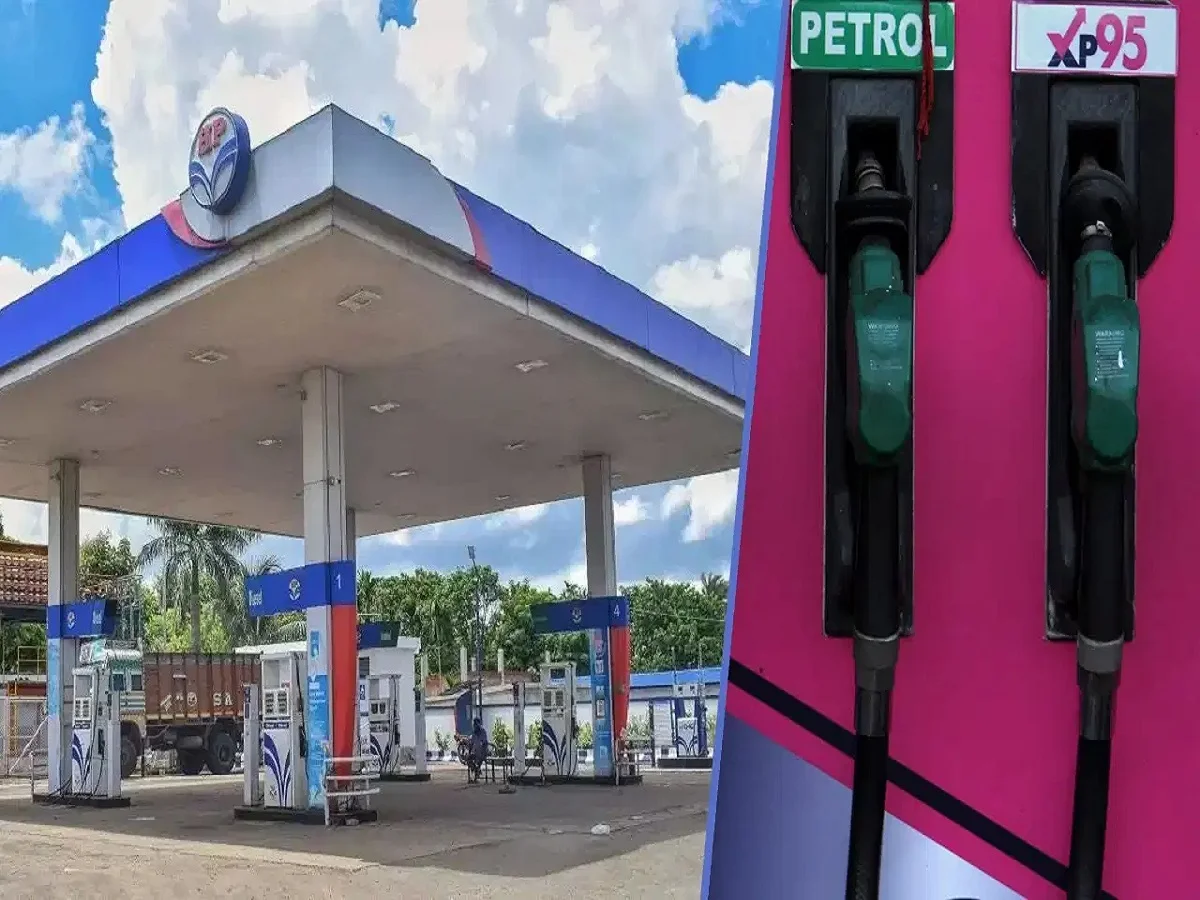
Fuel is the lifeline of any vehicle, and every time you visit a petrol pump, you’re likely faced with a common choice—regular petrol or premium (often called speed petrol). While both fuels serve the same fundamental purpose of powering your vehicle, they are not identical. Differences in composition, performance, and pricing can influence how your vehicle runs and how much you spend over time.
Here’s a detailed breakdown to help you understand how regular petrol and premium petrol differ—and whether upgrading to premium fuel is worth it.
Purpose and Usage
Regular petrol is designed for everyday use. It is suitable for most commuter vehicles, including hatchbacks, sedans, and standard bikes. If your driving primarily involves city commutes, moderate speeds, and typical usage, regular petrol generally does the job efficiently.
Premium petrol, on the other hand, is specially formulated to enhance engine performance. It is often recommended for high-performance vehicles, luxury cars, and sports bikes that demand better fuel quality to deliver optimal output.
Octane Rating: The Key Difference
One of the biggest differences between the two fuels lies in their octane rating. Regular petrol typically has an octane rating of around 91 in India. Premium petrol, however, usually ranges between 93 and 97.
A higher octane rating means the fuel is more resistant to “engine knocking”—a knocking or pinging sound that occurs due to premature combustion in the engine. By reducing knocking, premium petrol allows engines to run more smoothly and efficiently, especially under high pressure or speed conditions.
Engine Cleaning Properties
Premium petrol contains advanced additives and detergents that help clean the internal components of the engine. These additives work to remove dirt, deposits, and residue that can accumulate over time.
Regular petrol does not typically include such enhanced cleaning agents, which means engines running solely on it may gradually develop deposits, especially if maintenance is neglected.
Reduced Engine Knocking
Due to its higher octane level, premium petrol significantly reduces engine knocking. This leads to quieter engine operation and smoother driving, particularly noticeable in high-performance vehicles or when driving at higher speeds.
In contrast, while regular petrol works well for standard engines, it may not offer the same level of protection against knocking in demanding driving conditions.
Prevention of Carbon Deposits
Premium petrol is designed to prevent carbon buildup on fuel injectors and engine valves. Over time, carbon deposits can reduce engine efficiency and performance. By minimizing such buildup, premium fuel helps maintain engine health and longevity.
This benefit becomes especially important for vehicles that are used frequently or driven aggressively.
Performance Benefits
For vehicles with advanced engine technology, turbochargers, or high compression ratios, premium petrol can deliver noticeable performance gains. These include improved acceleration, better fuel efficiency in some cases, and smoother engine response.
However, for standard vehicles not designed to utilize high-octane fuel, the performance difference may be minimal or even negligible.
Price Difference
Premium petrol comes at a higher cost due to its enhanced formulation. Typically, it is priced around ₹5 to ₹10 more per litre than regular petrol. While the added cost may be justified for high-end vehicles, it may not provide significant value for everyday commuter cars.
Which One Should You Choose?
The right choice depends largely on your vehicle and driving habits. If your car manufacturer recommends premium petrol, it’s best to follow that guideline to ensure optimal performance and engine health.
For most standard vehicles, regular petrol is sufficient and cost-effective. Switching to premium petrol without a specific need may not yield noticeable benefits.
Final Takeaway
Both regular and premium petrol have their own advantages. While regular petrol is ideal for everyday driving and budget-conscious users, premium petrol offers enhanced performance, cleaner engines, and smoother operation—especially for high-end vehicles.
Understanding these differences can help you make an informed decision the next time you’re at the fuel station, ensuring both your vehicle and your wallet stay in good shape.