LIFESTYLE
Psoriasis Symptoms: Is there really no cure for psoriasis? Know how dangerous this disease is?
How Dangerous Is Psoriasis? Psoriasis is one of the many diseases that remain untreated. Let's explain how it occurs and its symptoms.

Can psoriasis be completely cured?
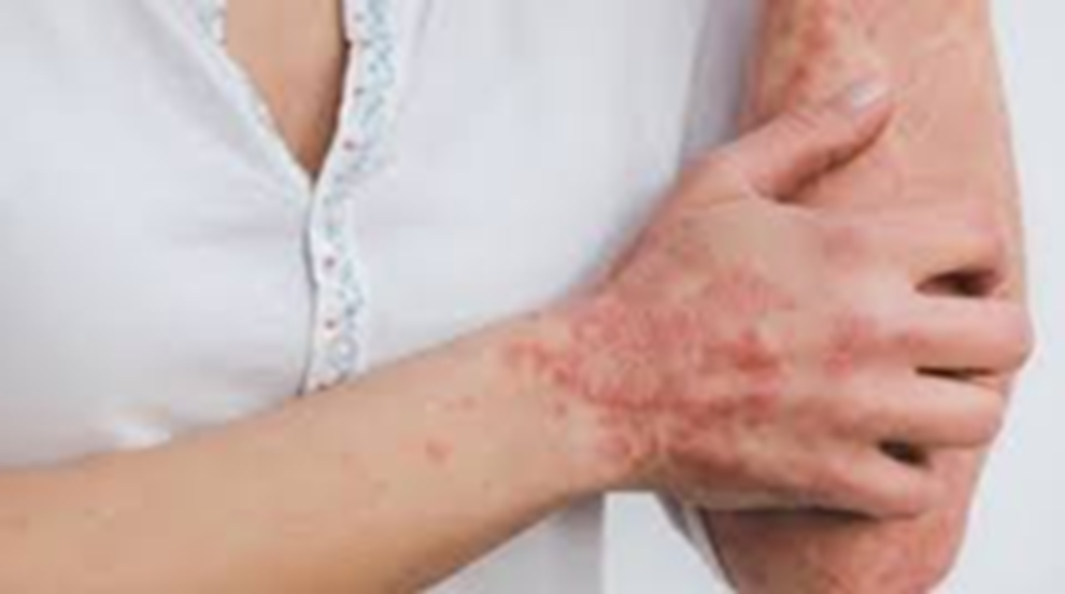
What Are The Early Signs Of Psoriasis? Psoriasis is a skin condition characterized by itchy, flaky, and red or dark patches. It often appears on the knees, elbows, lower back, and scalp. It's not an infection, meaning it doesn't spread from person to person. However, it's a chronic condition that can recur. Let's explain how dangerous it is.
How does this disease occur?
According to the health information website Mayo Clinic, it is an immune-mediated disease, meaning the body's immune system becomes abnormally active, and skin cells begin to produce excessively. Normally, skin cells are produced and shed slowly, but in psoriasis, this process is accelerated, leading to the formation of thick, scaly layers on the skin. There is currently no permanent cure for this disease, although it can be controlled with proper treatment.
What are its symptoms?
Psoriasis can cause a variety of skin symptoms. Some may develop small, dandruff-like patches, while others may develop larger, red or purple patches with a white or silvery coating. The skin may become dry and cracked, sometimes bleeding. Itching, burning, or pain may also occur. The disease often occurs in cycles, with symptoms increasing for a few weeks or months, then subsiding for a period of time.
How many types of psoriasis are there?
There are several types. Plaque psoriasis is the most common form, characterized by the formation of thick, raised scales. Nail psoriasis can cause pitting, discoloration, or loosening of the nails. Guttate psoriasis typically occurs in children and young adults and often appears after a throat infection. Inverse psoriasis appears as smooth, red patches in body folds, such as the groin or under the breasts. Pustular and erythrodermic psoriasis are rare but serious forms that can cause pus-filled blisters or red, peeling skin all over the body.
When should one see a doctor?
If you experience persistent skin symptoms that worsen, cause pain, or don't resolve despite treatment, it's important to consult a doctor. With timely identification and proper treatment, the effects of this condition can be largely controlled and a normal life can be achieved.