
LIFESTYLE
Pressure Cooker Problems: Does the pressure cooker whistle too late? One easy trick will cook your lentils in minutes.
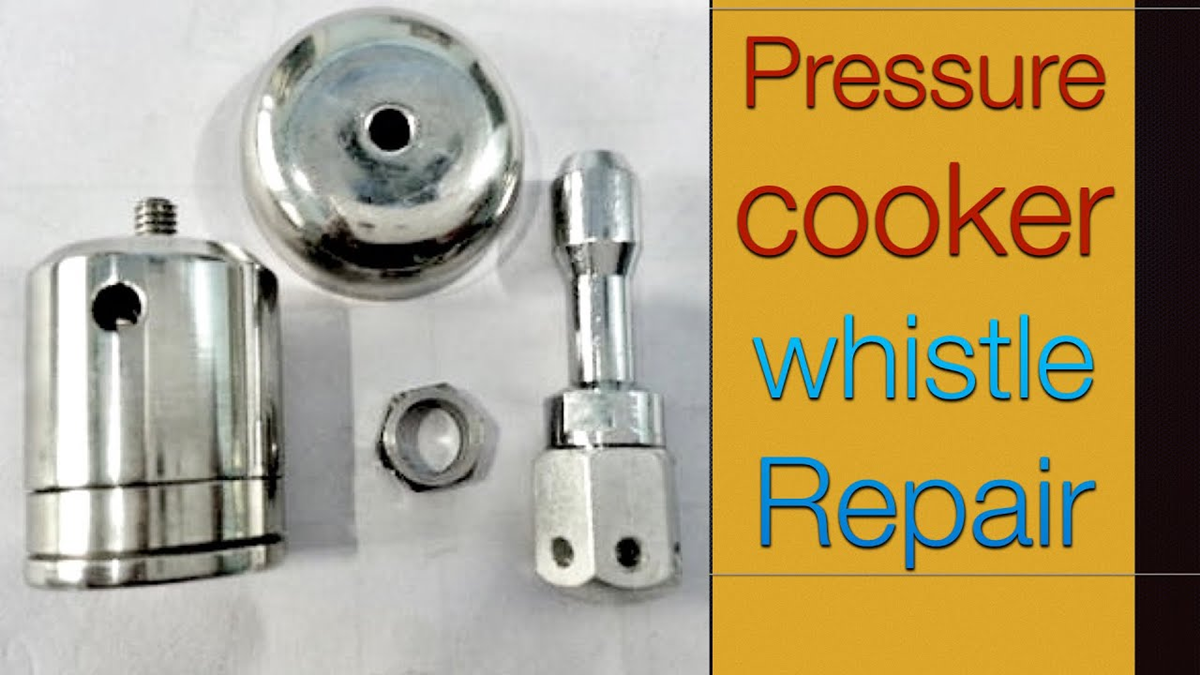
Kitchen Tip: If the whistle is taking longer than usual, the pressure may not be building properly. Steam may be escaping if the cooker's rubber gasket is old or loose.
Why does it take more time to cook lentils in a pressure cooker?
Why Dal Takes Longer to Cook in a Pressure Cooker: Dal is one of the most common dishes prepared daily in Indian homes. So, if the same dal suddenly starts taking longer than usual, the first suspicion falls on the pressure cooker. It's thought that something's wrong with the cooker. But that's not always the case. Sometimes, the cooker is perfectly fine, and the dal is taking longer due to some other reason.
The cooker isn't solely responsible for cooking lentils quickly and properly. Factors like the type of lentils, the amount of water, the length of soaking, and the flame also play a significant role. So, before assuming your cooker is faulty, be sure to check these factors.
First of all check whether the pressure is being created properly in the cooker or not?
If the cooker is taking longer to whistle than usual, it could be that the pressure isn't building properly. Old or loose rubber gaskets can cause steam to escape, making it take longer for sufficient pressure to build up inside. If you see steam escaping from the edges after closing the cooker's lid, don't ignore it. Remove the gasket and inspect it. If it's hard, loose, or worn, it may need to be replaced.
Is there any dirt in the whistle or vent tube?
Sometimes the cooker isn't damaged, but the vent tube or whistle isn't properly cleaned. Small particles of lentils or other food particles trapped inside can disrupt the process of steam release and pressure buildup. After the cooker cools down, thoroughly clean the whistle and vent tube. If a blockage is visible in the vent, it's best to have it repaired. Avoid using sharp objects to clean the pressure cooker.
Changing the type of lentils can also change the timing.
Not all lentils cook at the same time. Moong dal cooks quickly, while chana dal may take longer. Pigeon pea or toor dal may also take different times depending on their age and quality. For example, yellow moong dal generally doesn't require much soaking, while chana dal needs to be soaked for a few hours before cooking. If you've changed the type of lentil and are trying to cook it in the same time as the previous lentil, the difference is natural.
Are the lentils old?
Sometimes lentils appear perfectly normal, but if they're quite old, they can take longer to thaw. Especially if the lentils have been stored for a long time. If the cooker and other components are in good working order, but a particular package of lentils repeatedly takes longer to cook, consider the quality and storage of the lentils.
Adding less water can also be heavy
The correct amount of water is essential for cooking lentils. Too little water can cause the lentils to cook poorly and increase the risk of sticking or burning. Adding too much water can result in the lentils cooking but becoming too thin, requiring more time to thicken. Different lentils typically require different amounts of water. Therefore, instead of using the same proportion for each lentil, adjust the amount of water for the type.
Try soaking the lentils
If you're cooking lentils like chana dal or whole mung beans, soaking them for a while can make them easier to cook. Arhar dal can also be soaked for about 30 minutes, although this isn't always necessary. Soaking lentils can reduce their cooking time and make them softer more easily. If lentils suddenly start taking longer to cook, this small change can be tried.
Pay attention to the gas flame as well.
Keeping the cooker on a very low heat can cause it to take longer for pressure to build. Cooking on an excessively high heat is also counterproductive. Generally, let the pressure build initially on high heat and then reduce the heat as needed. Simply counting the number of whistles isn't enough. The amount of lentils, the amount of water, the soaking time, and the heat all contribute to the cooking time.
If the dal is still taking more time than before, get the cooker checked.
If the pressure in the cooker continues to take a long time to build, despite the correct amount of lentils, the correct amount of water, and the correct heat, it's important to inspect certain components of the cooker. Carefully inspect the gasket, vent tube, whistle, and lid seal. If the cooker is emitting unusual steam or pressure isn't building properly, it's best to have it inspected by an authorized service center or a qualified technician rather than continuing to use it.