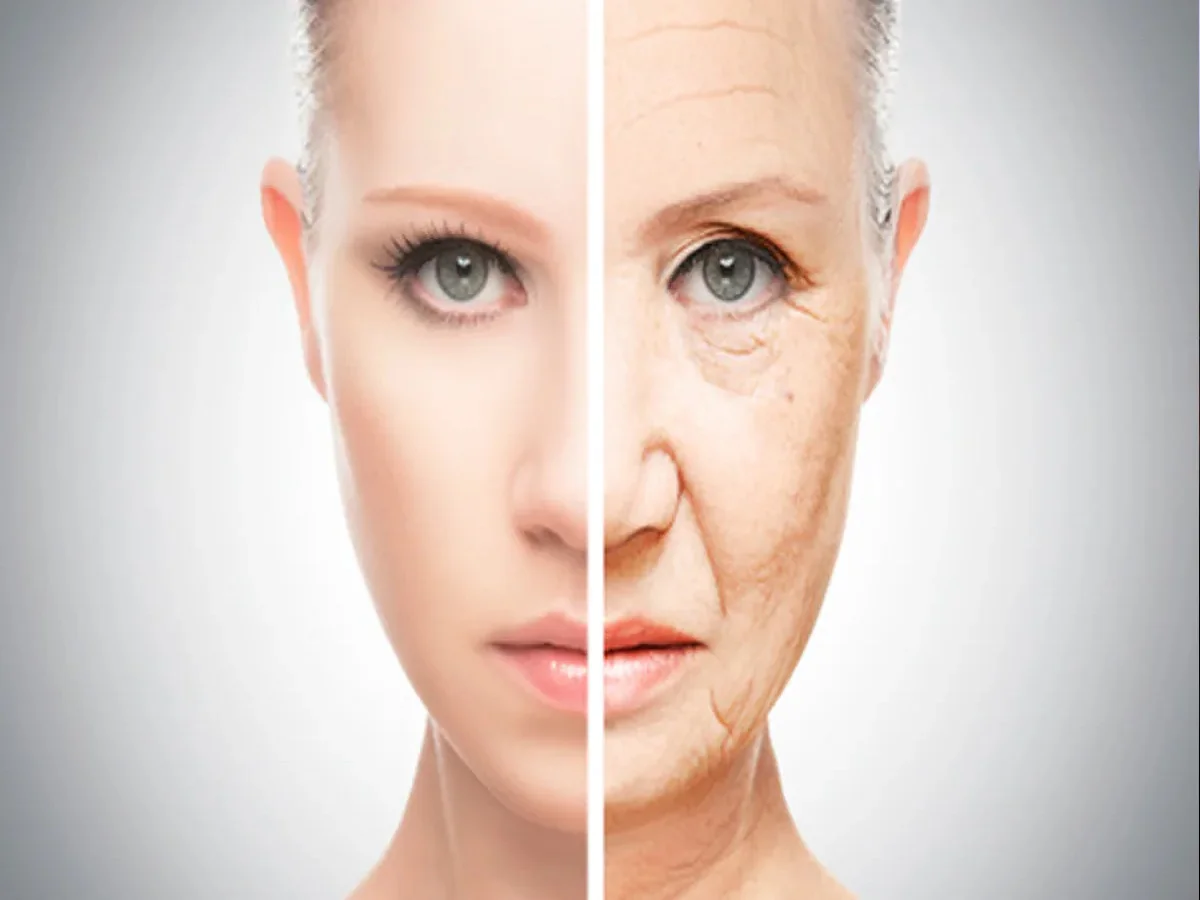
Everyone wants to maintain good health and stay active as they grow older. While aging is a natural biological process, certain lifestyle habits can accelerate physical and mental aging, making people appear and feel older than their actual age. Poor sleep, chronic stress, unhealthy eating patterns, and a lack of physical activity can all contribute to premature aging over time.
Although aging cannot be stopped, adopting healthier daily habits may help support overall well-being, improve energy levels, and reduce the risk of age-related health problems. Here are some of the common lifestyle factors that may contribute to premature aging and practical ways to address them.
1. Ignoring Stress Management and Relaxation
Long-term stress can have a significant impact on both physical and mental health.
When the body experiences chronic stress, it continuously releases stress hormones that may affect sleep, immune function, skin health, and overall well-being. Over time, unmanaged stress can contribute to signs commonly associated with premature aging.
Healthy stress-management practices include:
- Yoga.
- Meditation.
- Deep breathing exercises.
- Mindfulness techniques.
- Spending time on hobbies and recreation.
Regular relaxation can improve emotional well-being and help the body recover from everyday stress.
2. Poor Sleep Habits
Quality sleep plays an essential role in maintaining good health.
During sleep, the body repairs tissues, supports immune function, and carries out many important biological processes. Consistently sleeping too little may affect overall appearance and increase feelings of fatigue.
Insufficient sleep has been associated with:
- Reduced skin recovery.
- Lower energy levels.
- Difficulty concentrating.
- Weakened immune function.
- Increased daytime tiredness.
Most healthy adults should aim for 7 to 9 hours of sleep each night, depending on individual needs.
3. Unhealthy Eating Patterns
Nutrition has a direct influence on overall health and healthy aging.
A diet that relies heavily on processed foods, sugary drinks, and unhealthy fats may contribute to obesity and increase the risk of chronic diseases.
A balanced diet should include:
- Fresh fruits and vegetables.
- Whole grains.
- Lean protein sources.
- Healthy fats.
- Foods rich in vitamins, minerals, and antioxidants.
Good nutrition supports healthy skin, muscles, bones, and overall body function.
4. Lack of Physical Activity
Regular exercise is one of the most effective ways to maintain health as you age.
Physical activity helps:
- Strengthen muscles and bones.
- Improve heart health.
- Maintain flexibility.
- Support healthy body weight.
- Increase energy levels.
A sedentary lifestyle, on the other hand, may contribute to weight gain, reduced fitness, and a higher risk of several long-term health conditions.
Experts generally recommend regular moderate-intensity physical activity as part of a healthy lifestyle.
5. Chronic Stress Can Affect Overall Health
Stress influences more than mental well-being.
Long-term emotional stress may affect sleep quality, eating habits, and physical health. While stress itself does not directly determine how quickly someone ages, it can contribute to behaviors and biological changes associated with poorer health outcomes.
Managing stress through healthy coping strategies is an important part of overall wellness.
6. Smoking and Excessive Alcohol Consumption
Smoking and excessive alcohol intake are well-established risk factors for numerous health conditions.
Smoking has been linked to:
- Premature skin aging.
- Increased wrinkles.
- Reduced blood circulation.
- Damage caused by oxidative stress.
Similarly, excessive alcohol consumption may affect hydration, liver function, sleep quality, and overall health.
Reducing or avoiding these habits can support healthier aging and improve long-term well-being.
Additional Healthy Habits That Support Healthy Aging
Besides avoiding unhealthy lifestyle choices, experts recommend adopting positive daily habits such as:
- Drinking adequate water throughout the day.
- Protecting your skin from excessive sun exposure.
- Maintaining a healthy body weight.
- Undergoing regular medical check-ups.
- Staying socially active and mentally engaged.
These practices contribute to better physical and emotional health throughout life.
Healthy Aging Is About Consistency
There is no single habit or food that can completely prevent aging. Instead, healthy aging depends on maintaining balanced lifestyle habits over many years.
Small improvements made consistently—such as eating nutritious meals, exercising regularly, sleeping well, and managing stress—can have a meaningful impact on long-term health and quality of life.
Final Thoughts
While aging is a natural part of life, unhealthy lifestyle habits can contribute to premature physical and mental changes. Poor sleep, chronic stress, unhealthy eating, physical inactivity, smoking, and excessive alcohol consumption are among the factors that may negatively affect overall health over time.
By adopting healthier daily routines, staying physically active, managing stress effectively, and maintaining a balanced diet, individuals can support healthy aging and improve their overall well-being for years to come.
Disclaimer: This article is intended for informational purposes only and should not be considered medical advice. Premature aging may have multiple causes, including underlying medical conditions. Consult a qualified healthcare professional if you have concerns about your health, nutrition, or signs of early aging.