NEWS
PM Dhan-Dhaanya Krishi Yojana Completes One Year: 100 Districts Covered, Farmers to Benefit From Agriculture Reforms
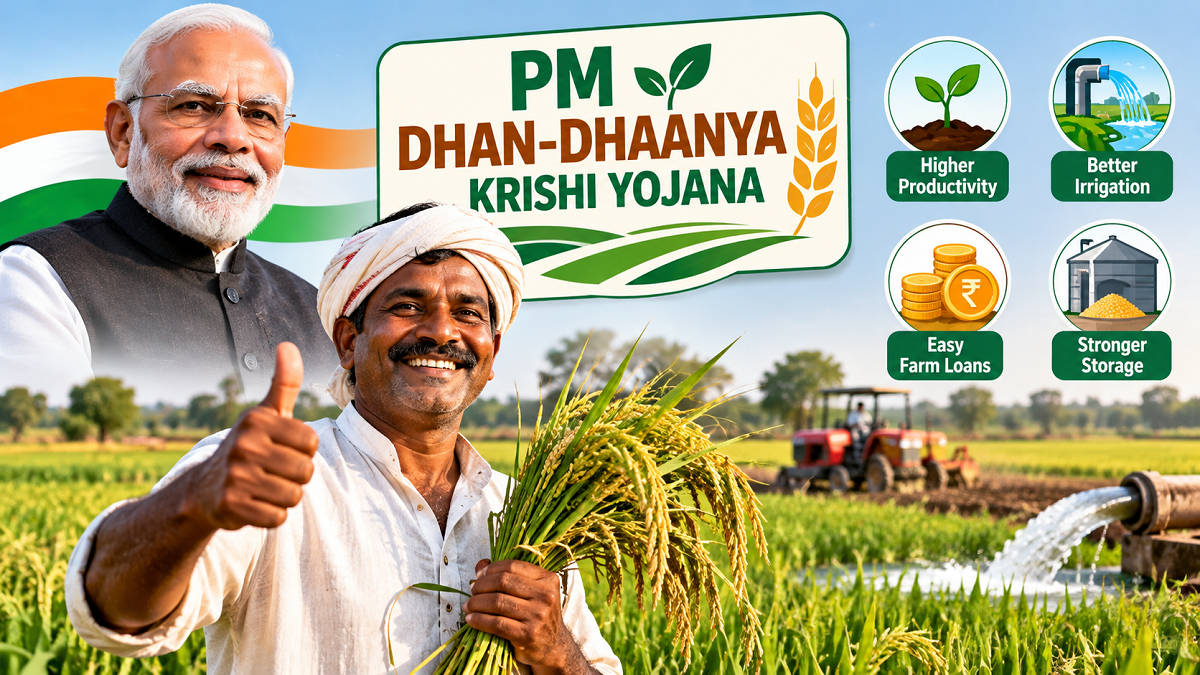
PM Dhan-Dhaanya Krishi Yojana 2026: The Pradhan Mantri Dhan-Dhaanya Krishi Yojana (PMDDKY), an important government initiative aimed at strengthening India's agricultural sector, completed its first year on October 11, 2026. Launched by Prime Minister Narendra Modi in 2025, the programme focuses on improving farming productivity, irrigation facilities, agricultural infrastructure, and access to institutional credit in 100 selected districts across the country.
According to a government fact sheet cited in reports marking the scheme's first anniversary, all 100 participating districts have prepared their District Agriculture Plans, while implementation and monitoring activities are underway.
The government has also reported an improvement in district performance scores, indicating progress in several implementation indicators.
However, improvements in administrative performance should not automatically be interpreted as equivalent increases in crop production or farmers' incomes.
Here is a detailed explanation of the scheme, its objectives, first-year achievements, and how it is expected to support farmers.
What Is PM Dhan-Dhaanya Krishi Yojana?
The Pradhan Mantri Dhan-Dhaanya Krishi Yojana is a government programme designed to accelerate agricultural development in 100 selected districts.
Rather than applying the same agricultural development strategy everywhere, the scheme focuses on identifying the specific challenges faced by individual districts.
These challenges may include low crop productivity, inadequate irrigation facilities, limited access to agricultural credit, insufficient storage infrastructure, and difficulties adopting modern farming techniques.
The programme aims to address such issues through coordinated implementation of existing government schemes and locally designed development plans.
Its broader objective is to create better conditions for agricultural growth and improve opportunities for farmers.
PM Dhan-Dhaanya Krishi Yojana 2026: Key Details
| Particulars | Details |
|---|---|
| Scheme Name | Pradhan Mantri Dhan-Dhaanya Krishi Yojana |
| Short Name | PMDDKY |
| Cabinet Approval | July 16, 2025 |
| Official Launch | October 11, 2025 |
| First Anniversary | October 11, 2026 |
| Districts Covered | 100 selected agricultural districts |
| Approved Duration | Six years |
| Main Focus | Productivity, irrigation, agricultural credit and infrastructure |
| Implementation Approach | Coordination of existing central and state government schemes |
The programme is intended to improve agricultural performance through district-specific planning and better coordination among government departments.
Government Approved the Scheme for Six Years
The Union Cabinet approved PM Dhan-Dhaanya Krishi Yojana on July 16, 2025, for a six-year implementation period.
Prime Minister Narendra Modi formally launched the initiative on October 11, 2025.
One of the programme's distinguishing features is its emphasis on bringing multiple government initiatives together instead of creating an entirely separate system for every agricultural requirement.
According to the reported implementation framework, the scheme coordinates 36 central government schemes administered by 11 ministries and departments.
State government programmes and private-sector participation may also contribute to implementation.
This coordinated approach is intended to help districts use available resources more effectively and reduce gaps between agricultural development activities.
For example, a district facing irrigation shortages may prioritize water-management improvements, while another district with inadequate storage facilities may focus on post-harvest infrastructure.
All 100 Districts Have Prepared Agriculture Development Plans
A major achievement highlighted in the first-year government review is the preparation of District Agriculture Plans.
According to the reported fact sheet, all 100 selected districts have completed their respective plans.
These documents are designed to identify local farming challenges and establish development priorities.
The plans can help district authorities determine which agricultural interventions are most urgently required.
For instance, districts with low irrigation coverage may need additional water infrastructure, while areas with poor access to formal agricultural credit may require stronger banking and financing support.
The government has stated that implementation of these district-level plans is underway.
Monitoring committees have also been established at national, state, and district levels to review progress and coordinate activities.
PMDDKY Performance Score Rises From 18.85 to 46.89
The government's first-year review also highlighted an improvement in the average performance score of participating districts.
According to the supplied figures, the average score across the 100 districts increased from 18.85 in April 2026 to 46.89 in August 2026.
Reported average district performance score
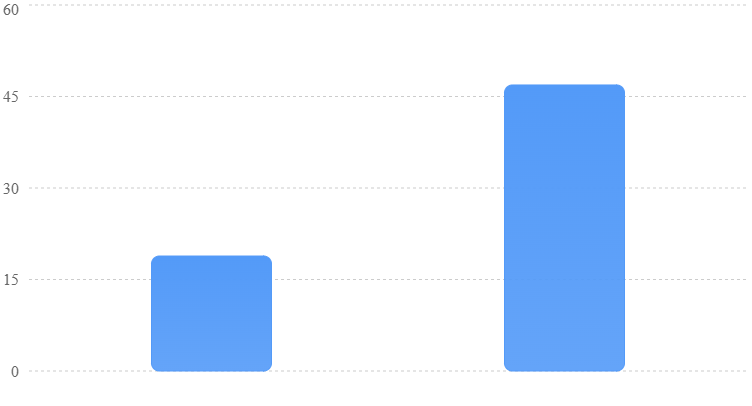
Source: Government fact-sheet figures cited in the supplied report; scores reflect programme indicators, not farm income.
This represents an improvement of 28.04 points over the four-month period.
The reported scoring system evaluates district-level progress against six programme objectives.
The purpose of this monitoring arrangement is to identify areas where implementation is improving and those requiring additional attention.
However, the higher score does not necessarily mean agricultural production or farmers' incomes increased by the same proportion.
Such outcomes would require separate measurements and supporting data.
Digital Dashboard Helps Monitor District Progress
The PMDDKY monitoring dashboard was reportedly introduced during the final week of October 2025.
Beginning in November 2025, districts were ranked using monthly output indicators to assess implementation progress.
The government fact sheet states that all 100 participating districts submitted output indicator data through August 2026.
The districts also reportedly submitted outcome indicator information for the 2025–26 financial year.
This monitoring system is intended to improve transparency and provide policymakers with regular information about the programme's progress.
It can also help authorities identify districts requiring additional administrative support or changes in implementation strategy.
How Will PM Dhan-Dhaanya Krishi Yojana Help Farmers?
The programme is designed to address several important challenges affecting agricultural development.
1. Improving Crop Productivity
One of the main objectives is to help farmers improve agricultural output through better practices, suitable technologies, and locally relevant interventions.
Efforts to strengthen productivity may support more efficient use of available farmland and agricultural resources.
2. Expanding Irrigation Facilities
Reliable irrigation is essential for many crops, particularly in areas where rainfall is uncertain.
The scheme aims to improve irrigation coverage and encourage more effective water management.
Better irrigation infrastructure can help farmers manage crop requirements and reduce dependence on unpredictable rainfall.
3. Improving Access to Agricultural Loans
Farmers often need financial assistance to purchase seeds, fertilizers, machinery, and other agricultural inputs.
The programme seeks to improve access to institutional credit, which may help eligible farmers obtain financing through formal channels.
However, loan eligibility and approval will continue to depend on the rules of the relevant lending institutions and schemes.
4. Strengthening Storage and Post-Harvest Facilities
Inadequate storage and transportation infrastructure can contribute to agricultural losses.
PMDDKY aims to improve post-harvest management and related infrastructure.
Better facilities may help farmers preserve produce, reduce avoidable losses, and access markets more efficiently.
5. Supporting Farmer Producer Organizations
Farmer Producer Organizations, or FPOs, can help farmers cooperate in areas such as input purchasing, marketing, and access to services.
The programme encourages coordination among farmers, FPOs, and agricultural institutions.
Such cooperation may improve farmers' ability to participate in organized markets and access agricultural support.
How Is the Government Monitoring the Scheme?
Central Nodal Officers have been assigned responsibilities related to reviewing implementation and providing guidance to participating districts.
Committees operating at different administrative levels are also involved in monitoring development activities.
These arrangements are intended to ensure that district plans are implemented according to local priorities and that administrative challenges are addressed.
Regular monitoring can help officials evaluate progress and identify areas where additional resources or coordination may be needed.
Can Farmers Apply Directly for PMDDKY Benefits?
PM Dhan-Dhaanya Krishi Yojana is primarily structured as a district-focused agricultural development programme.
It should not be confused with a direct cash-transfer scheme such as PM-Kisan, under which eligible beneficiaries receive financial assistance in their bank accounts.
PMDDKY aims to improve agricultural infrastructure, services, productivity, and access to existing support mechanisms in selected districts.
Farmers seeking information about available assistance should contact their district agriculture office, local agricultural extension authorities, or relevant government departments.
Eligibility for any particular benefit will depend on the rules of the underlying programme through which that assistance is provided.
Conclusion
The Pradhan Mantri Dhan-Dhaanya Krishi Yojana completed its first year on October 11, 2026, with the government reporting progress in district-level agricultural planning and monitoring.
All 100 selected districts have reportedly prepared their District Agriculture Plans, while the average performance score increased from 18.85 in April to 46.89 in August 2026.
With a six-year implementation period, the scheme seeks to improve crop productivity, irrigation, institutional credit, storage infrastructure, and coordination among agricultural institutions.
Its long-term success will depend on how effectively district plans translate into measurable improvements in farming conditions, agricultural output, and farmers' livelihoods.
Important Note: The first-year achievements and performance figures discussed in this article are based on the government fact sheet described in the supplied October 2026 report. These figures should be distinguished from independently measured increases in farmer income or crop production.