
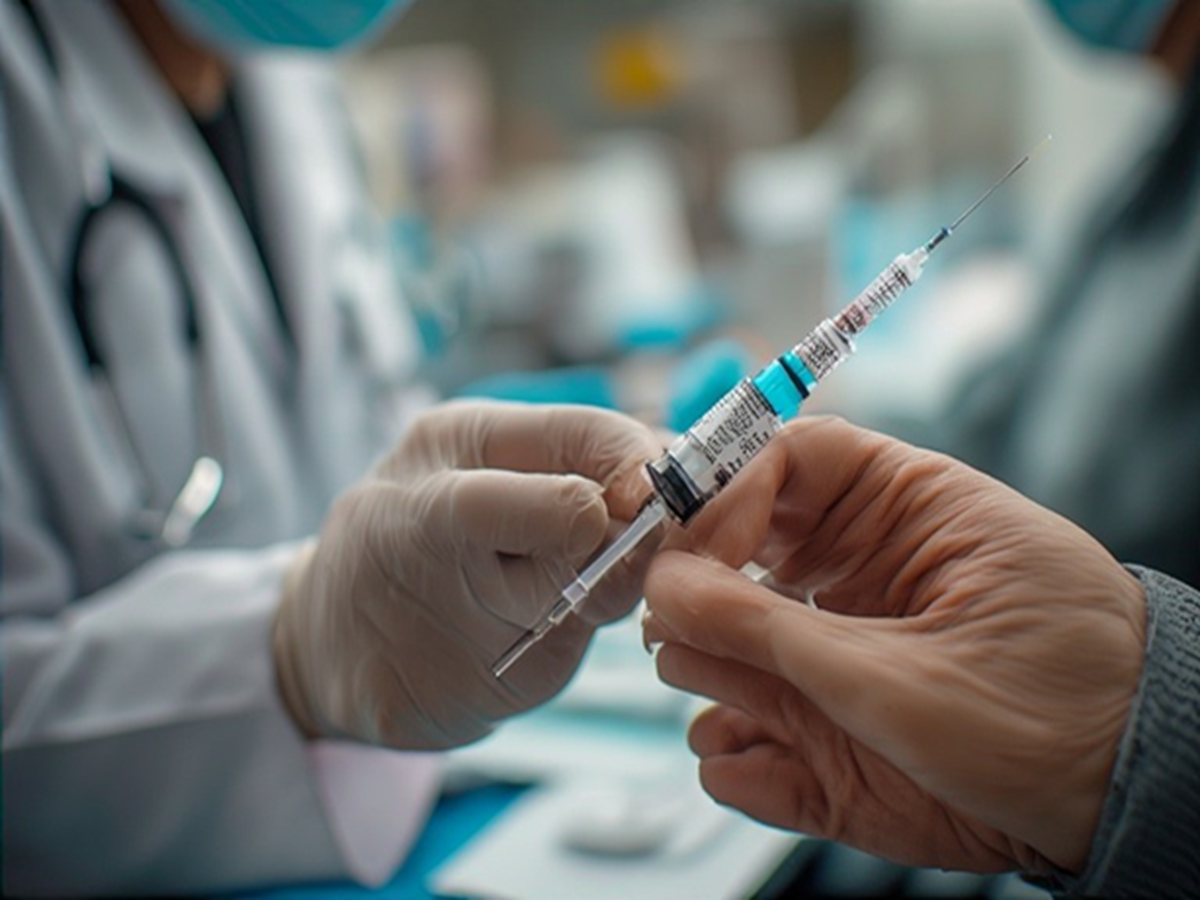
Pancreatic Cancer Vaccine: A new achievement in the field of medical science, the treatment of dangerous cancer like pancreatic cancer will be possible, what are the results of the vaccine?
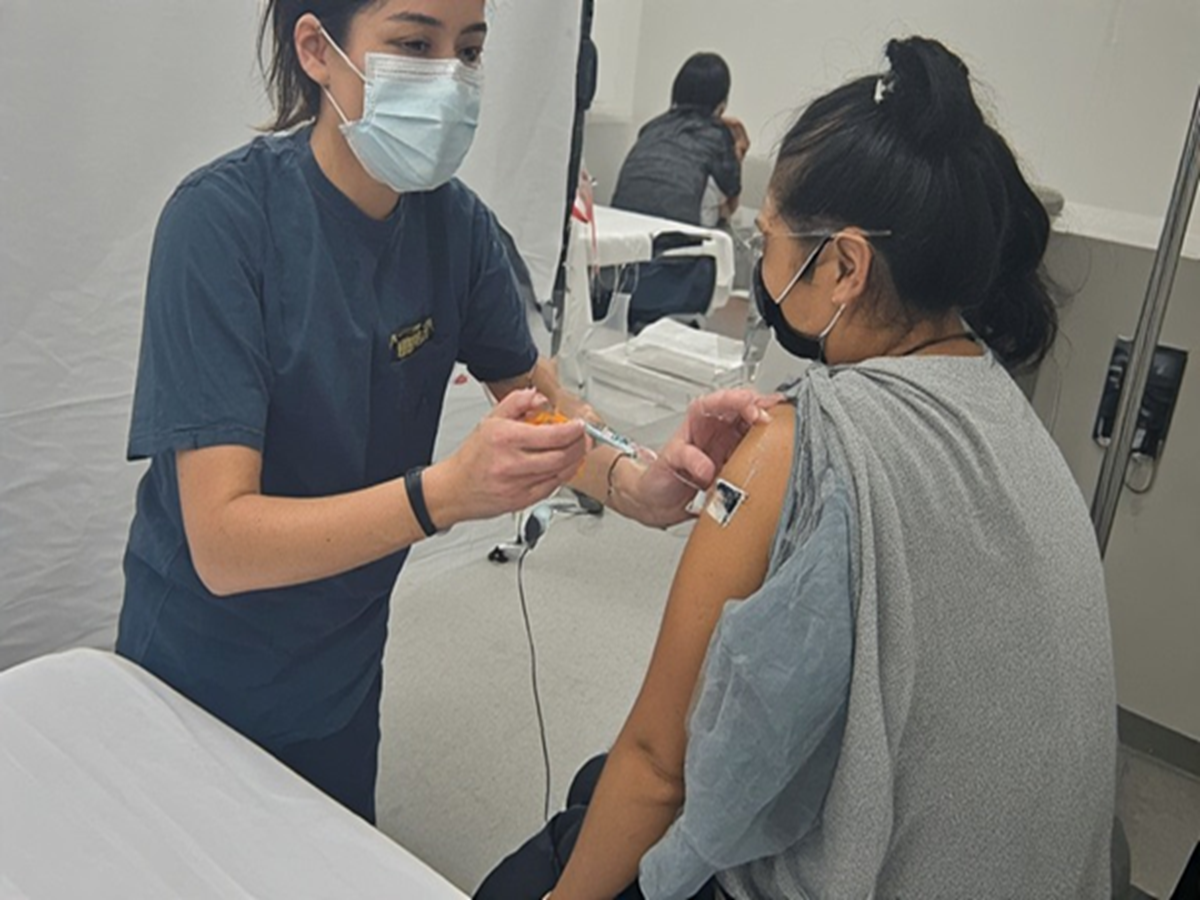
Pancreatic cancer treatment
Pancreatic cancer vaccine: Cancer is a serious problem that can be devastating to a person upon hearing about it. Pancreatic cancer is a very serious and rapidly progressing cancer that occurs in the pancreas. The pancreas is an organ that plays a vital role in producing digestive enzymes and hormones like insulin. This cancer often goes undetected in its early stages because the pancreas is located deep within the body, and its symptoms are initially mild or vague, such as abdominal pain, weight loss, or digestive problems, which may not seem serious. By the time it is detected, in many cases, it has already spread to other parts of the body, making it even more difficult to treat.
For this reason, it is considered one of the most dangerous and deadly cancers. According to statistics, the incidence of pancreatic cancer has doubled in the last two decades. Previously, the incidence was approximately 2.5 to 3 per 1,000,000 individuals, but now it has increased to 6 to 7. Recently, a vaccine trial for this cancer has become possible, which has opened a new direction in its treatment. Let's find out the full story.
What is the mRNA vaccine to treat pancreatic cancer?
Recently, trials of a vaccine called Autogene Sevumeron have raised new hope for the treatment of pancreatic cancer. This is a personalized vaccine that is designed based on the genetic information (neoantigens) of the patient's tumor and signals the body's immune system to recognize and destroy cancer cells. According to the researchers, it is based on mRNA technology—a technology based on messenger ribonucleic acid (mRNA)—which is used for treatment, not for reducing the risk of disease. This vaccine is given after surgery to eliminate microscopic cancer cells remaining in the body and reduce the risk of cancer recurrence.
Clinical Trial Results – How Successful Were They?
Regarding the results of clinical trials, in a Phase 1 study, a total of 16 patients were given the Autogene Savumeron vaccine after pancreatic cancer surgery. Along with this, the patients received chemotherapy and an immunotherapy drug (checkpoint inhibitor). The vaccine was individually tailored to each patient's tumor DNA. Eight of these 16 patients responded well to the vaccine. Their immune systems recognized the tumor and generated T-cells that attack cancer cells. Seven of these eight patients survived 4 to 6 years after surgery. On the other hand, only two of the eight patients who did not respond to the vaccine survived. Following these positive initial results, a Phase 2 clinical trial of the vaccine has now been initiated, testing it on more patients. This study is ongoing at MSK (Memorial Sloan Kettering) in New York and several other locations to further understand its efficacy and safety.
The mRNA vaccine has emerged as a major hope for the treatment of pancreatic cancer. Although Phase 2 trials have just begun, it is being considered a major breakthrough in medical science. Researchers believe that if Phase 2 and Phase 3 yield similar results, it could revolutionize medicine.