
NEWS
Pak Police vs Pak Army: Explosive Face-Off in Khyber Pakhtunkhwa Exposes Cracks in Pakistan's Security Forces
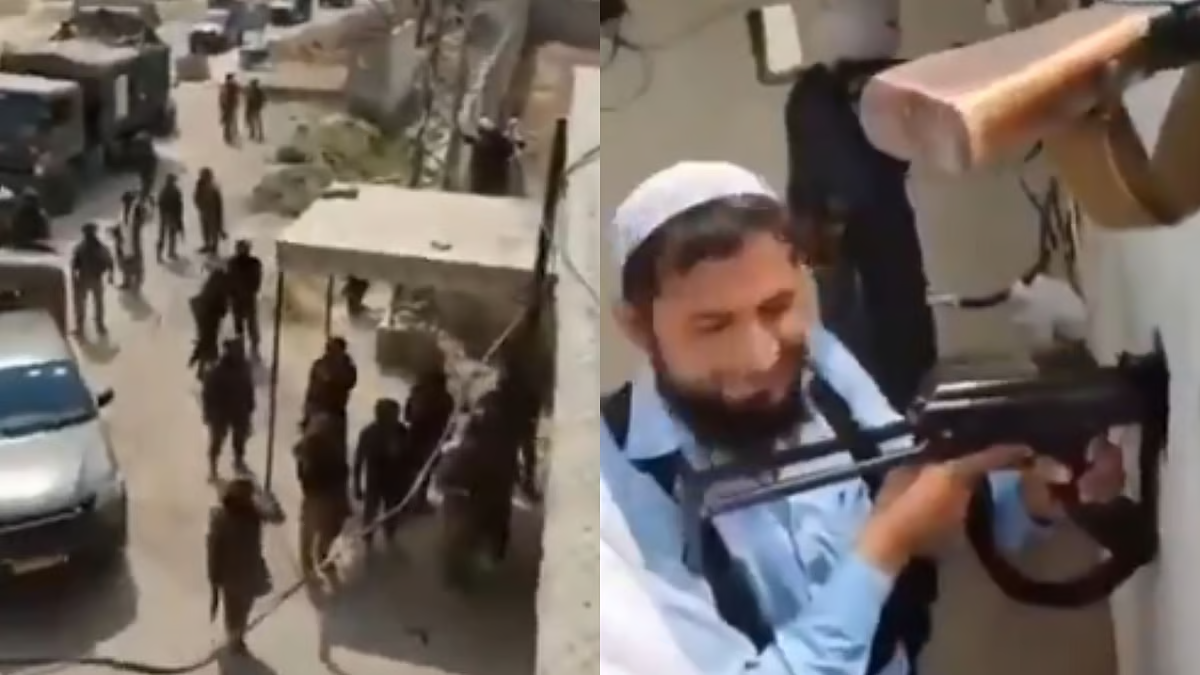
In a dramatic development that has gone viral on social media, a video from Lakki Marwat, Khyber Pakhtunkhwa, captures a tense standoff between Pashtun police officers and Pakistan Army personnel, revealing a rare and public fracture within Pakistan’s security apparatus.
The footage, now widely shared online, shows police officers blocking a military convoy from entering a police station and verbally confronting army officials. One officer, pointing a weapon at the soldiers, is heard delivering blistering taunts:
“Aapke General ko bhi hum boot ki nauk pe rakhte hain… Even if your General comes, he cannot do anything.”
He continues with sharp remarks that hint at deep resentment, saying,
“Your mind is not working properly. Send them to Kashmir. What are you doing here?”
The confrontation highlights growing dissatisfaction within parts of Pakistan’s civil security forces, particularly among ethnic Pashtuns, many of whom have accused the military of discrimination, heavy-handed tactics, and political manipulation in Khyber Pakhtunkhwa.
The timing of this outburst is highly significant—just days after the Pahalgam terror attack in India that claimed 26 lives, and amid increasing diplomatic and military tensions between India and Pakistan.
Army Chief "Missing"?
Unverified but rapidly spreading reports suggest that Pakistan Army Chief Gen. Syed Asim Munir may have either left the country or gone into hiding in Rawalpindi, further fueling speculation about instability at the top levels of the Pakistani military.
While the government has not responded officially, the incident and subsequent rumors have triggered a storm on social media, where anti-army sentiment and calls for accountability are now trending across various platforms.
Analysts Warn of Internal Crisis
Strategic experts say this police-army confrontation could signal a dangerous erosion of trust within Pakistan's key institutions. If left unchecked, it could embolden further dissent, especially at a time when external pressure from India and global scrutiny over terrorism are already mounting.