ASTROLOGY
Mystery of Pets in Mythology: 10 Divine Roles Including Ganesha's Rat, Hanuman's Monkey Form!
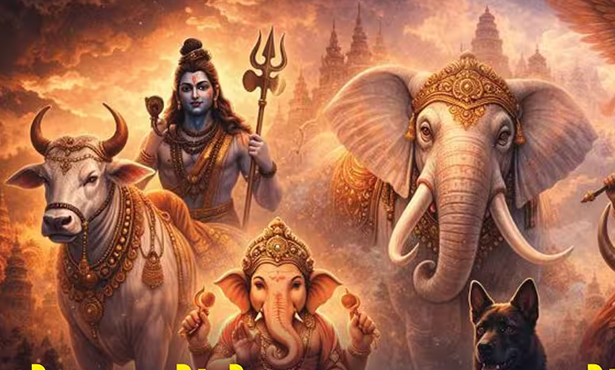
Pet Animals in mythology: Pets in mythology weren't limited to dogs, cats, and birds. They also included many animals that might seem scary today, but they held great significance.
Importance of pet animals in mythology: Whenever we think of pets, the first things that come to our mind are loyal dogs, cute cats, or birds feeding on the rooftop
These animals are like our family, loving us. But in ancient Indian mythology, animals were given great importance.
They were revered and worshipped. They were often seen playing important roles in the lives of gods and heroes. In ancient India, animals were considered symbols of wisdom, loyalty, fearlessness, and devotion.
Let us learn the secrets behind some of the most special animal characters recorded in Indian mythology and understand why these creatures were so special.
The rat is the divine vehicle of Lord Ganesha.
One of the most popular animal companions in mythology is the mouse, the vehicle of Lord Ganesha. It may seem strange to many that a tiny mouse would carry the weight of the mighty Lord Ganesha's massive body. But there's a profound message behind this choice.
In mythology, the rat was considered a symbol of desire. This is because, like the rat, desires can sneak into our minds and distract us from our goals.
When Lord Ganesha rides on a rat, he gives the ability to control desires and guide people with wisdom.
Garuda, the lion, is the vehicle of Lord Vishnu.
Garuda is an extremely powerful eagle-like bird, said to be the vehicle of Lord Vishnu. Strong and powerful, Garuda is a powerful warrior capable of fighting against evil.
The most famous part of his story is his hatred of snakes. An incident in which Garuda tried to rescue his mother from the clutches of snakes.
Garuda is known for his deep faith and devotion towards Lord Vishnu. He is always ready to travel across the three worlds to protect his master and uphold the truth. Even today, Garuda is worshipped in many parts of India.
Nandi, the sacred bull of Lord Shiva
Nandi is considered Lord Shiva's most loyal servant. He is more than just a gatekeeper. He is also Shiva's vehicle and closest companion. Nandi is often seen in Shiva temples, seated facing Lord Shiva, always ready to protect him.
According to legend, Nandi was once a great devotee of Shiva, praying fervently to be near him. Pleased with his devotion, Shiva made him his loyal servant.
Nandi symbolizes strength, restraint, and discipline. He represents the path of righteousness, truth, and justice. Shiva devotees often whisper their wishes into Nandi's ears before entering the temple, so that the message reaches Mahadev directly.
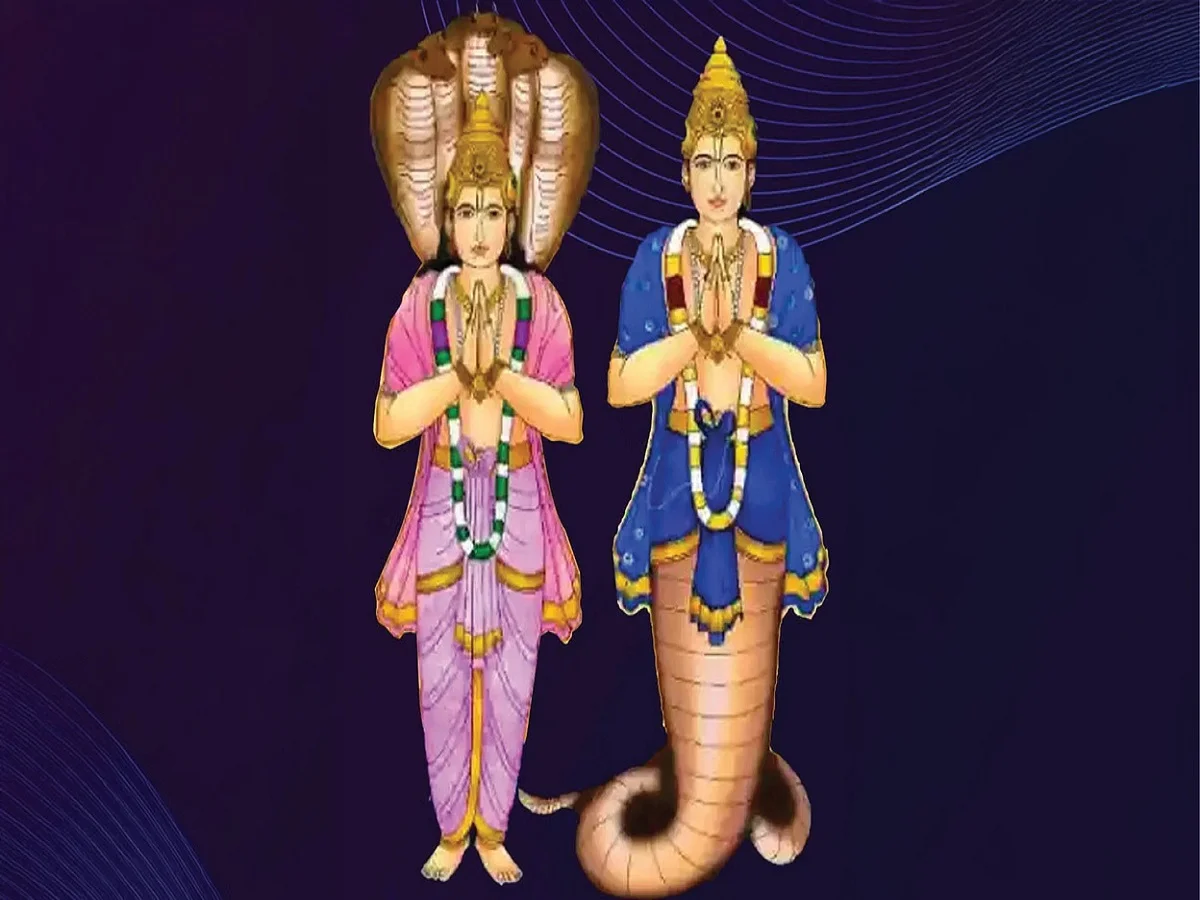
Sheshnag, the king of snakes
Mythology also mentions Sheshnag, the king of snakes. He bears the weight of the earth on his many hoods. He is also the resting place of Lord Vishnu.
While people are generally afraid of snakes, Sheshnag is considered a symbol of stability and infinity.
Animals like Sheshnag demonstrate that even animals that appear fearsome can be associated with divine roles. In Indian mythology, snakes are associated with deep faith and spiritual energy.
Along with this, he is also seen as a symbol of knowledge and a protector.
The monkey form of Hanuman, the devotee of Lord Rama
Hanuman is one of the most prominent characters in Indian mythology. Although not commonly domesticated, his monkey form played an important role during the Ramayana period.
Hanuman is known for his strength, devotion, wisdom, and magical feats. But above all, he is renowned for his pure heart and devotion to Lord Rama.
Hanuman helped Rama find Sita. He fought powerful demons and devils in Lanka without any desire for victory. His unwavering devotion and service to Rama are a living example of his devotion. Hanuman is worshipped throughout India.
Jambavan, the Wise Bear
Like Hanuman, Jambavan was an important animal character in the Ramayana period. His role as a bear appeared in both the Ramayana and the Mahabharata. Jambavan was not only strong but also very powerful.
He aided Rama in his war against Ravana. He also met Lord Krishna during the Mahabharata period.
Yudhishthira's loyal dog
There's also a beautiful story from the Mahabharata about a dog who accompanied Yudhishthira on his final journey to the Himalayas. While Yudhishthira's loved ones were left behind, the dog remained with him until the very end.
When Yudhishthira arrives at the gates of heaven, he is asked to leave the dog behind. He refuses, saying, "I cannot abandon any creature that is loyal to me."
At that very moment, the dog revealed his true form and assumed the form of the god of Dharma, who had come to test Yudhishthira.
The peacock is associated with the Goddess Saraswati.
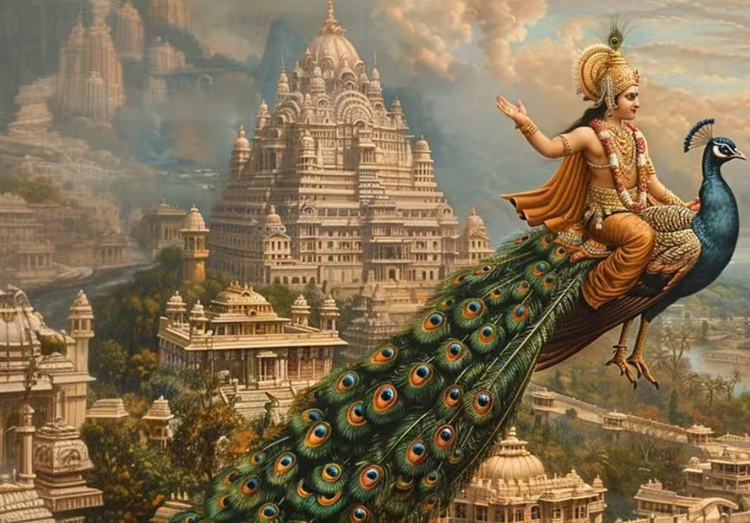
The peacock is considered a bird of beauty and charm. In mythology, it is associated with Goddess Saraswati, the goddess of knowledge and arts. It is also considered a symbol of creativity, wisdom, and self-control. Its colorful feathers symbolize prosperity.
Kartikeya, the god of war and son of Shiva and Parvati, also rides on a peacock. In both cases, the bird symbolizes strength and devotion.
Goddess Durga's vehicle is a lion.
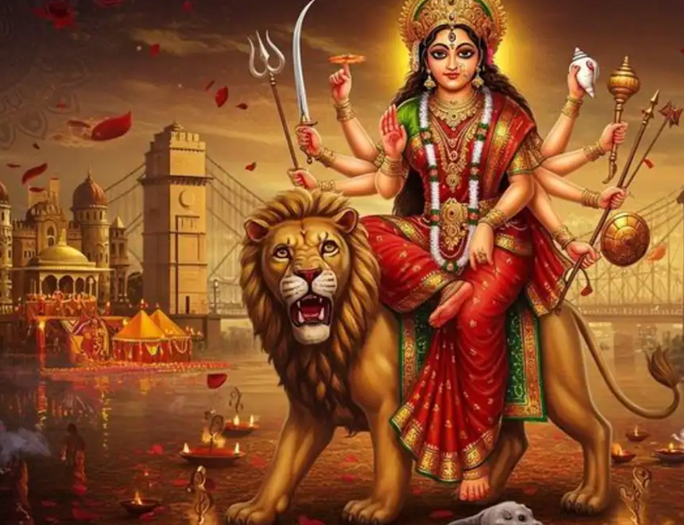
In mythology, the lion is said to be the vehicle of Goddess Durga. The lion symbolizes fearlessness and the ability to destroy evil. When Goddess Durga rides a lion into battle, evil forces are unable to resist.
Owl of Goddess Lakshmi
In Hindu mythology, Goddess Lakshmi is considered a symbol of wealth and prosperity. Her vehicle is a white owl. Owls are generally associated with mystery and darkness. In Hindu religious texts, owls symbolize knowledge and awareness.
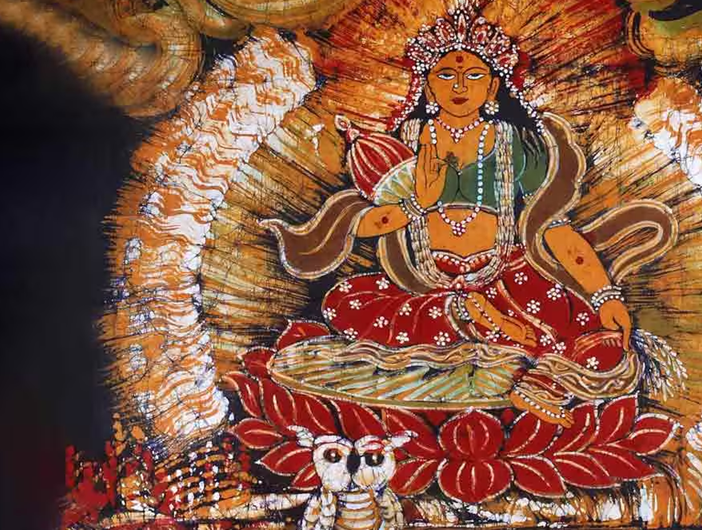
This story reminds us that animals in mythology are not just protectors or fighters, they are also guides who provide important information about life, money, and responsibility.