
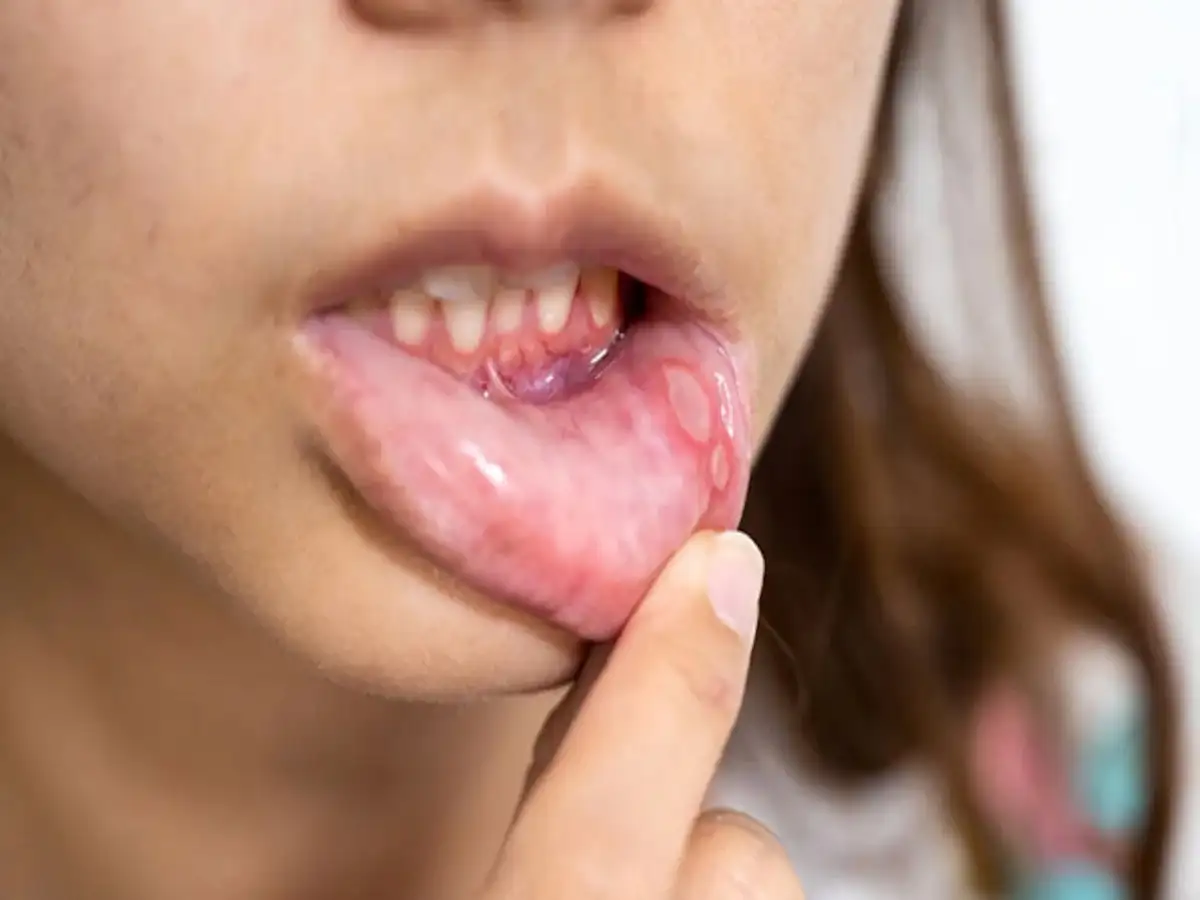
Mouth ulcers can make simple activities such as eating, drinking, speaking or brushing the teeth uncomfortable. In some cases, people may also notice pain in or around the ear at the same time, which can create concern about a possible ear infection.
However, ear pain does not always mean that the problem is actually located inside the ear. Pain originating from the mouth, throat, teeth or nearby tissues can sometimes be felt in the ear because these areas share interconnected nerve pathways.
This type of discomfort is known as referred pain. Understanding how it happens can help people distinguish between temporary discomfort linked to a mouth ulcer and symptoms that may require medical attention.
Why Can a Mouth Ulcer Cause Pain Near the Ear?
The mouth, throat and ear region are closely connected through several sensory nerves. When an ulcer develops in certain areas—particularly toward the back of the tongue, near the throat or deeper inside the mouth—the brain may interpret pain signals as coming from the ear as well.
This does not necessarily mean that the ear itself is infected or damaged.
In referred pain, the actual source of irritation is in one part of the body, while the discomfort is perceived somewhere else. Similar patterns can occur with dental problems, throat inflammation and jaw-related conditions.
The location of the ulcer can therefore make a difference. An ulcer toward the front of the lips or cheeks may be less likely to create ear discomfort than one positioned farther back in the mouth.
How Can You Tell If Ear Pain Is Related to a Mouth Ulcer?
Timing can provide an important clue.
If mild ear discomfort begins at roughly the same time as a mouth ulcer and improves as the ulcer heals, the two symptoms may be connected.
For example, a person may notice discomfort while swallowing, chewing or moving the tongue, with pain occasionally radiating toward the ear. If both symptoms gradually settle together, referred pain becomes a possible explanation.
On the other hand, persistent ear pain should not automatically be blamed on an ulcer.
If the mouth sore has healed but the ear continues to hurt, or if the pain becomes increasingly severe, another condition may be responsible and medical evaluation may be needed.
Ear Pain Can Have Several Other Causes
A mouth ulcer is only one possible explanation for ear discomfort.
Ear infections can produce significant pain, often along with other symptoms. Dental problems are another common source of referred pain, particularly when a tooth infection or severe gum inflammation is present.
Other possible causes may include throat infections, inflammation in the mouth or throat, jaw-related problems and significant dental disease.
Pain that becomes worse while swallowing can point toward irritation in the throat or deeper areas of the mouth. Similarly, severe toothache occurring alongside ear pain may suggest a dental rather than ear-related source.
Because several conditions can cause overlapping symptoms, the overall pattern is more important than any single sign.
Warning Signs That Should Not Be Ignored
Some symptoms suggest that the problem may require medical assessment rather than simple home care.
Seek medical advice if ear pain is severe, persistent or worsening, particularly if it is accompanied by fluid, pus or other discharge from the ear.
Reduced hearing, high fever or noticeable swelling around the ear are also important warning signs.
An ulcer that does not heal within a reasonable period, keeps returning frequently, becomes unusually large or causes significant difficulty eating and drinking should also be evaluated by a healthcare professional.
Persistent ulcers can have many causes, and a doctor or dentist can help identify whether further investigation is needed.
Simple Ways to Reduce Mouth Ulcer Irritation
Most minor mouth ulcers improve on their own, but eating habits can make a major difference to comfort while they heal.
Very spicy food can increase burning and irritation. Sour or acidic foods may also make an ulcer more painful, while heavily salted foods can sting the affected area.
Extremely hot food and drinks should also be avoided if they worsen symptoms.
Instead, soft foods that are easier to chew can make eating more comfortable. Room-temperature or slightly cool foods and beverages may feel more soothing.
Using a soft-bristled toothbrush can also reduce accidental irritation around the ulcer.
Another useful habit is to avoid repeatedly touching the sore with the tongue, fingers or other objects, as constant irritation can make the area more uncomfortable.
Can Salt-Water Rinses Help?
A gentle rinse with warm salt water may help keep the mouth clean and provide temporary relief from irritation.
The rinse should not be swallowed, and it should not be made excessively salty because a highly concentrated mixture may sting.
Good oral hygiene should continue during the healing period, although brushing should be done carefully around the sore.
When Is Medical Advice Recommended?
Most uncomplicated mouth ulcers resolve without major treatment. However, medical or dental advice is advisable when symptoms are prolonged, unusually painful or repeatedly return.
Ear pain that persists after the mouth ulcer improves deserves particular attention because it may have another cause.
People should also seek care for fever, hearing changes, ear discharge, significant swelling, severe tooth pain or difficulty swallowing.
The key point is that ear pain accompanying a mouth ulcer can sometimes be explained by referred pain, especially when the ulcer is located toward the back of the mouth or throat. But persistent or severe symptoms should not be ignored, as ear, dental and throat conditions can produce very similar discomfort.