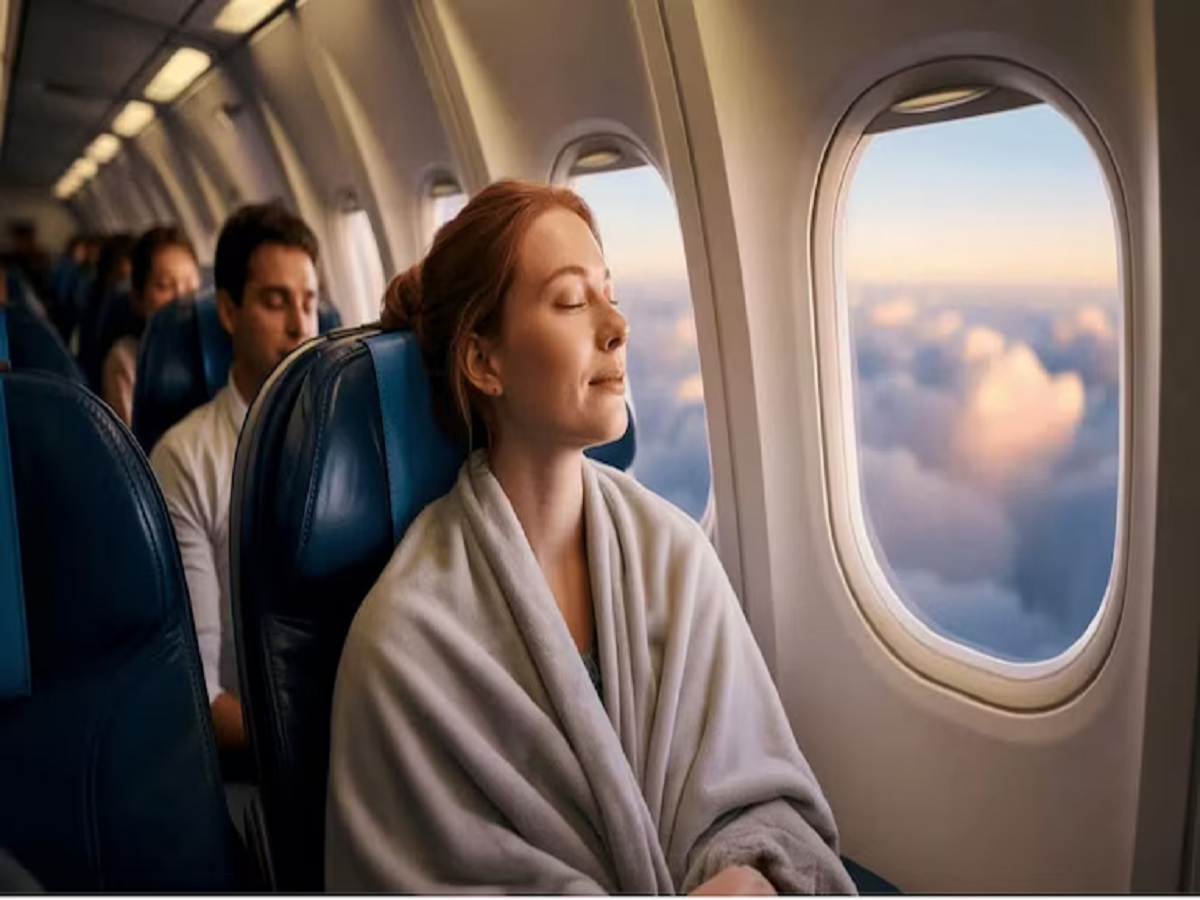
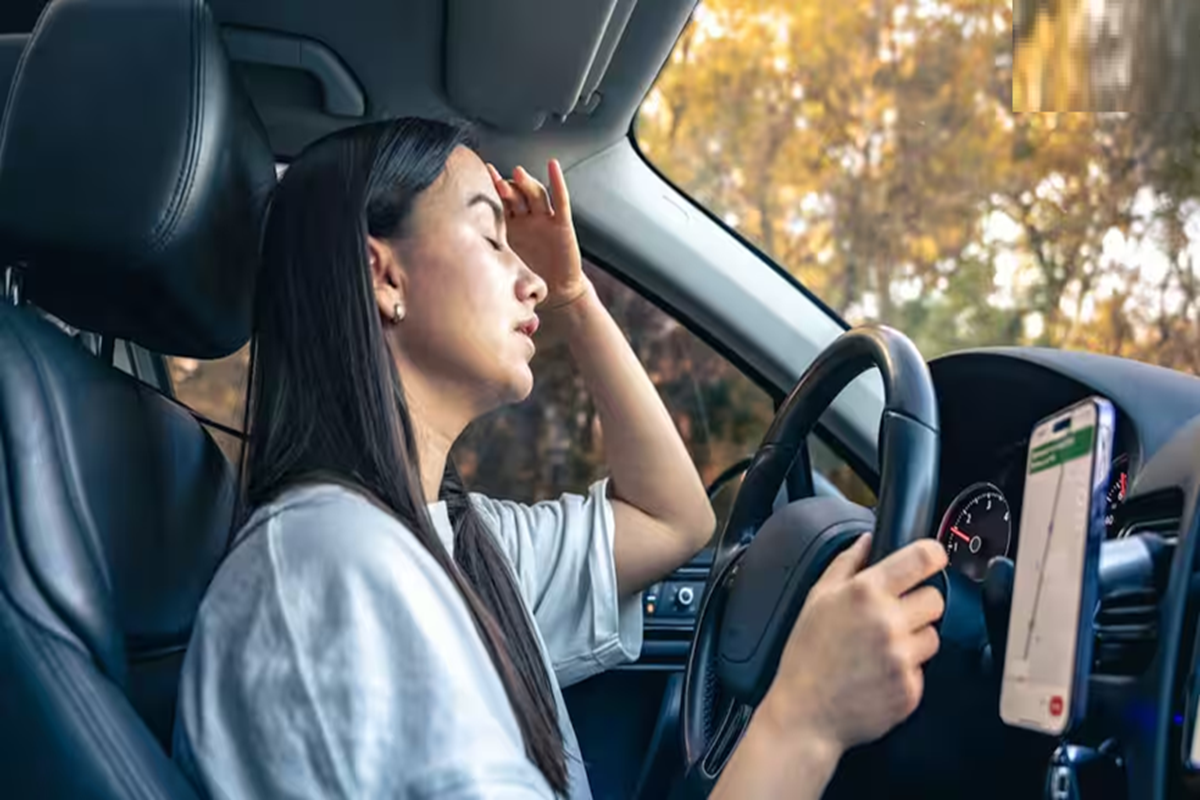
Travel Anxiety: Many people feel nauseous as soon as they board a car, bus, train, or boat. Many people experience dizziness, anxiety, and nausea within minutes of starting their journey.

Why do we vomit while travelling?
Why Do People Vomit While Traveling? Some people feel like vomiting as soon as they board a car, bus, train, or boat. Many experience dizziness, palpitations, sweating, and nausea within minutes of embarking. This is commonly known as motion sickness. This condition can affect anyone, from children to adults, and can often ruin the entire trip.
What is this problem?
According to the health information organization Cleveland Clinic, this problem occurs when the eyes, ears, and body send different signals to the brain. For example, when a person is sitting in a car, their eyes see trees, roads, and buildings passing by rapidly, which makes the brain believe the body is constantly moving. However, the inner ear and muscles signal that the body is stationary. The brain is unable to understand these confused signals, and this is why motion sickness begins.
Does this problem occur only while travelling?
According to research, motion sickness can occur not only during travel, but also while playing video games and virtual reality games. This is called virtual motion sickness. During these times, the eyes and brain process different types of information, which can lead to dizziness and nausea.
What is the problem with motion sickness?
Common symptoms of motion sickness include dizziness, headache, fatigue, cold sweat, excessive salivation, rapid breathing, and vomiting. Experts say that this condition is more common in children between the ages of 2 and 12. People with migraines, pregnancy, Parkinson's disease, or inner ear problems are also at higher risk.
What are the measures to avoid this?
According to doctors, some simple measures can be helpful in preventing motion sickness during travel. These include sitting in the front seat of the car, sitting near a window to get some fresh air, and focusing on distant objects instead of looking at a mobile phone or a book. Many people find relief from ginger tea or mint candy. Experts also say that eating heavy meals or drinking alcohol before traveling can worsen the symptoms. Therefore, it is best to eat light and simple meals. Additionally, care should be taken to avoid dehydration. In some cases, doctors may also recommend antihistamines or special patches, which can help reduce nausea and vomiting.