
LIFESTYLE
Monsoon Kitchen Tips: How to Keep Your Spices Fresh, Dry, and Free From Moisture During the Rainy Season
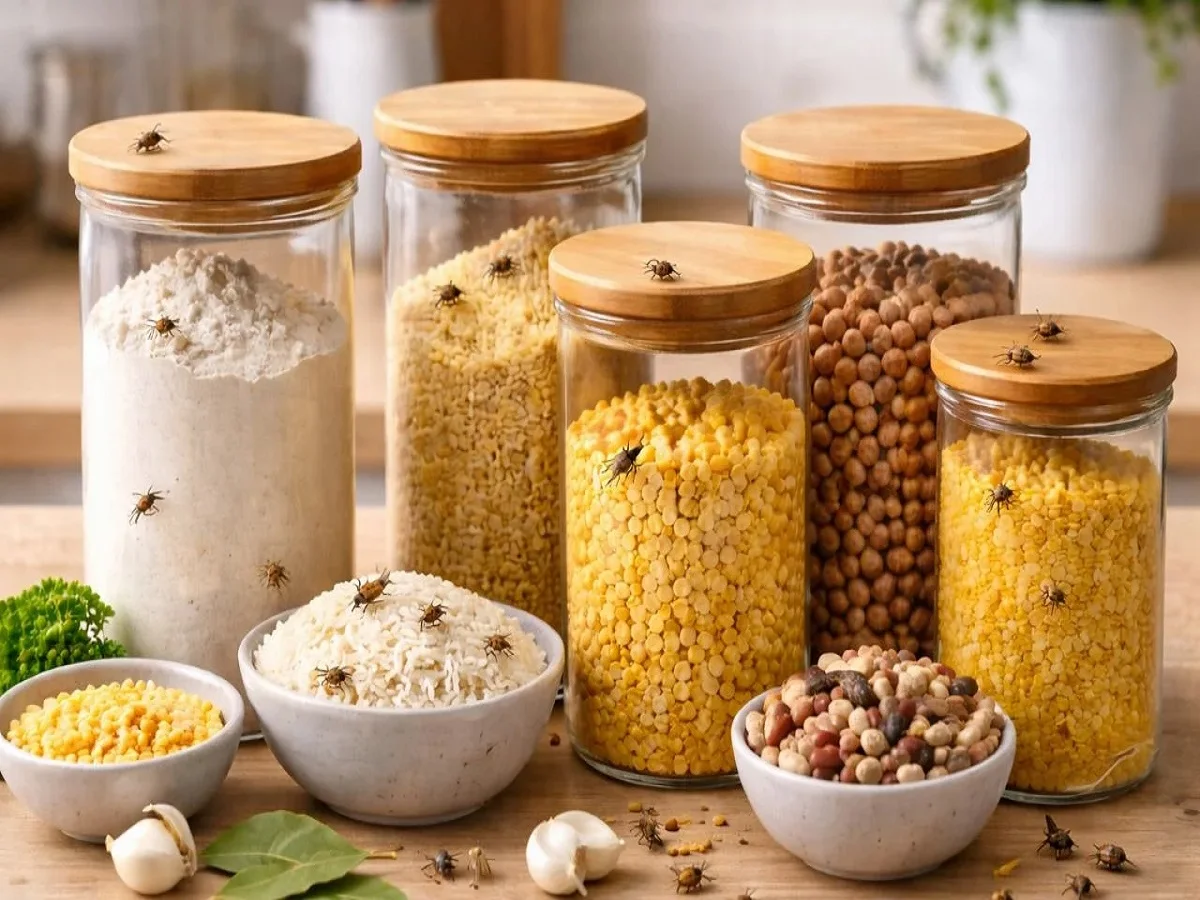
The monsoon season brings cooler weather and welcome relief from the summer heat, but it also introduces high humidity that can create challenges in the kitchen. One of the most common problems during this time is moisture affecting stored spices. Excess humidity can cause spices to lose their aroma, flavor, and freshness while increasing the risk of mold, clumping, and insect infestation.
With proper storage practices, you can help preserve the quality of your spices throughout the rainy season. Here are some practical tips to protect your spice collection during the monsoon.
Why Do Spices Spoil Faster During the Monsoon?
Spices naturally absorb moisture from the surrounding air, especially during humid weather.
As humidity increases, you may notice several common issues:
- Ground spices begin to clump together.
- Whole spices lose their crisp texture.
- Aroma and flavor gradually fade.
- Mold or fungal growth becomes more likely.
- Small insects may appear if spices are not stored properly.
Since spices are an essential part of everyday cooking, protecting them from excess moisture helps maintain both food quality and safety.
Store Spices in Airtight Containers
One of the simplest ways to protect spices is by using airtight storage containers.
Glass jars with tight-fitting lids or high-quality food-grade containers help reduce exposure to humid air and keep spices fresher for longer.
Always close the lid immediately after use to prevent moisture from entering the container.
Always Use a Clean, Dry Spoon
Even a small amount of water can affect stored spices.
Before scooping spices:
- Make sure the spoon is completely dry.
- Avoid using wet hands.
- Never return unused spices from a cooking spoon back into the container.
Keeping moisture away helps prevent clumping and reduces the risk of spoilage.
Keep Spice Jars Away From Heat and Steam
Many kitchens store spices close to the stove for convenience, but this may expose them to steam and heat while cooking.
Try storing spice containers away from:
- Gas stoves
- Pressure cookers
- Sinks
- Dishwashers
- Areas exposed to frequent water splashes
A cool, dry cabinet is generally a better location for long-term storage.
Dry Whole Spices Occasionally
If you store whole spices such as cumin, coriander, cloves, or cardamom, occasional drying can help remove absorbed moisture.
On a dry, sunny day, spread the spices briefly in indirect sunlight or a well-ventilated area before returning them to airtight containers.
Avoid prolonged exposure to intense sunlight, as excessive heat may reduce the natural oils responsible for flavor and aroma.
Consider Food-Grade Moisture Absorbers
For areas with consistently high humidity, food-grade silica gel packets or other approved moisture absorbers can help reduce excess moisture inside storage cabinets.
However:
- Do not allow silica gel packets to come into direct contact with spices.
- Use only food-safe products intended for kitchen storage.
These products should be placed separately inside storage boxes or cabinets according to the manufacturer's instructions.
Buy Spices in Smaller Quantities
Purchasing large amounts of spices may seem economical, but they gradually lose freshness over time.
Buying smaller quantities allows you to:
- Use spices before they lose flavor.
- Reduce waste.
- Maintain better aroma and color.
- Lower the risk of spoilage during humid weather.
Freshly purchased spices generally deliver better taste in everyday cooking.
Common Storage Mistakes to Avoid
To keep spices in good condition during the rainy season, avoid these common mistakes:
- Leaving spice containers partially open.
- Using wet spoons or damp hands.
- Storing spices directly above the cooking stove.
- Keeping spices near steam-producing appliances.
- Mixing freshly purchased spices with older stock.
- Storing spices in places with frequent temperature changes.
These habits can shorten the shelf life of your spices and reduce their overall quality.
Should You Store Spices in the Refrigerator?
Although refrigeration may seem like a good idea, it is generally not recommended for most everyday spices.
Frequent movement between room temperature and the refrigerator can create condensation, introducing unwanted moisture into spice containers.
Unless a product specifically recommends refrigeration, storing spices in a cool, dry cupboard is usually the better option.
Proper Storage Helps Preserve Flavor and Freshness
The rainy season doesn't have to compromise the quality of your kitchen spices. By using airtight containers, avoiding moisture, storing spices away from heat and steam, purchasing smaller quantities, and following good storage practices, you can help preserve their natural aroma, flavor, and freshness throughout the monsoon.
Taking a few simple precautions can keep your spices in better condition, making every meal more flavorful while reducing the chances of spoilage during humid weather.