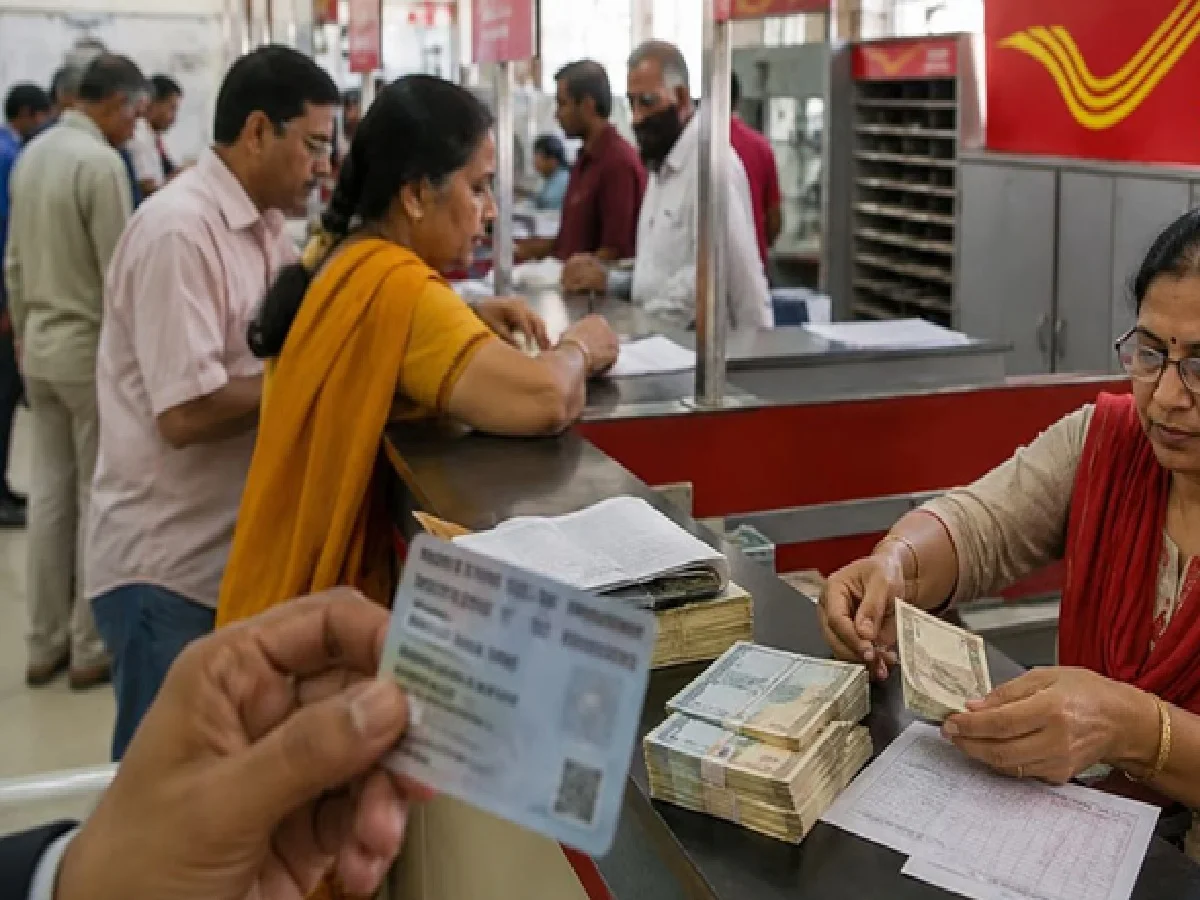
India Post has introduced new rules affecting PAN card holders, post office account users, and investors in various savings schemes across the country. Under the updated regulations, PAN cards have now become mandatory for several financial transactions linked to post office accounts and savings schemes.
According to the newly issued notification, customers will now need to provide a valid Permanent Account Number (PAN) card for:
- Depositing money
- Withdrawing funds
- Opening accounts
- Investing in fixed deposits
- Accessing savings schemes
- Conducting other financial transactions at post offices
Without a PAN card, many transactions may no longer be processed.
New Rules Introduced Under Income Tax Act 2026
The changes have reportedly been implemented under Rules 159, 160, 161, 211, and 237 of the Income Tax Act 2026.
As part of these updated regulations:
- PAN details must now be submitted for major post office transactions
- Financial activities will be more closely monitored
- Large-value transactions may receive additional scrutiny
Officials say the new system is aimed at improving financial transparency and strengthening tax compliance.
PAN Card Now Essential for Post Office Services
The updated rules apply to several services offered through post offices, including:
- Savings accounts
- Fixed deposits
- Investment schemes
- Withdrawal facilities
- Cash deposits
Customers who do not currently possess a PAN card are being advised to apply for one as soon as possible to avoid disruptions in future transactions.
Why the Government Introduced These Changes
Authorities believe the updated rules will help:
- Increase transparency in financial transactions
- Monitor high-value deposits and withdrawals
- Reduce tax evasion
- Strengthen tracking of financial activities
The government has been gradually tightening financial reporting norms across banking and savings systems to improve tax monitoring and reduce misuse of cash transactions.
New Alternative for People Without PAN Cards
For individuals who still do not have a PAN card, the government has introduced an alternative compliance process.
Under the revised rules:
- Form 60 will reportedly be replaced with Form 97
- Customers without PAN cards must submit Form 97 for eligible transactions
The form will require details such as:
- Name of the individual
- Residential address
- Nature of transaction
- Supporting identity documents
The purpose is to ensure that even transactions conducted without PAN cards remain recorded within the tax monitoring system.
Form 15G and 15H Also Replaced
Another major change involves tax declaration forms used in post office savings schemes.
Earlier, customers used:
- Form 15G
- Form 15H
to avoid TDS deductions on interest income under certain conditions.
Now, according to reports, these forms are being replaced with Form 121 for post office-related transactions.
What Is Form 121?
Form 121 will reportedly be used when a taxpayer’s estimated taxable income is zero.
Customers eligible for zero-tax liability may need to submit this form to prevent TDS deductions on interest earned from savings schemes and deposits.
The change is part of the government’s broader effort to standardize and modernize tax-related financial documentation.
Impact on Post Office Customers
The new rules are expected to affect millions of post office users across India, especially:
- Senior citizens
- Small savers
- Rural account holders
- Fixed deposit investors
People who frequently use post office savings services may now need to ensure:
- PAN details are updated
- Required forms are correctly submitted
- Identity documents are properly linked
Failure to comply with the updated requirements could lead to delays or restrictions in financial transactions.
Government Increasing Financial Monitoring
The latest changes reflect the government’s continued push toward stronger financial oversight and digital recordkeeping.
By making PAN mandatory for more transactions, authorities aim to:
- Improve tax tracking
- Reduce unreported financial activity
- Strengthen compliance across savings systems
Customers are advised to stay updated with the latest rules and complete any required documentation to continue using post office financial services without interruption.