
LIFESTYLE
Kitchen Tips: Knife got damaged while cutting vegetables; here's how to sharpen it at home
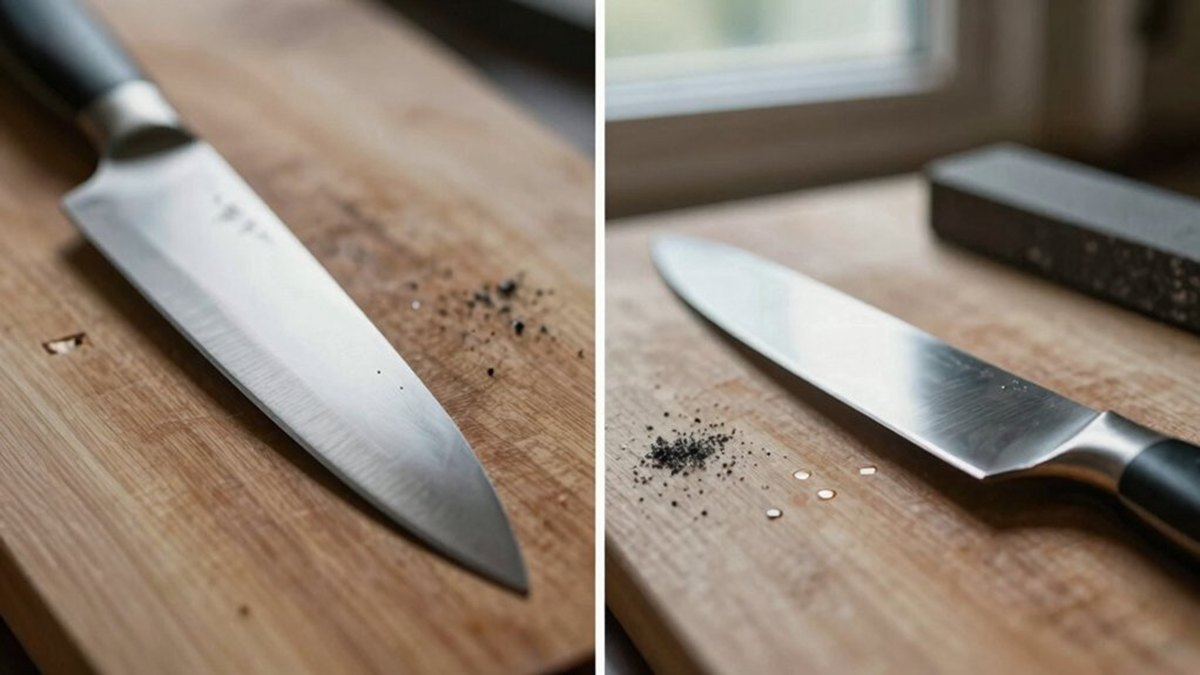
Easy Knife Sharpening: Before sharpening a knife, it's important to assess its actual wear and tear. You can try a few simple methods.
How to sharpen a knife at home?
Sharpen Knife With Ceramic Coffee Mug Hack: The knives we use daily for cutting vegetables and cooking often lose their sharpness over time. A knife that once cut vegetables easily can now become difficult to use to cut tomatoes or other soft foods. When a knife's sharpness dulls, it takes more force to operate it, which can increase the risk of slipping. But there's no need to go out every time to get your knife sharpened. A few household items can help restore it.
How do you know if the knife's edge is blunt?
Before sharpening a knife, it's important to assess its sharpness. You can try a few simple methods. First, hold a piece of paper upright and try cutting it. If the knife cuts easily, it's likely sharp. However, if it tears or jams, it needs sharpening.
You can also test a knife's sharpness with a tomato. Try cutting a ripe tomato without applying too much pressure. If the knife easily penetrates the tomato's skin, the sharpness is fine. If the tomato begins to press or crush, the knife's edge has become dull.
How to sharpen a knife at home?
1. Enlist the help of a sharpening steel
If the knife's edge isn't too dull, a sharpening steel can be used. This sharpens the knife to bring the edge back to its slightly blunt state, rather than removing metal. Hold the knife at a 20-degree angle to the steel and slowly move the blade up and down. Repeat this a few times on each side. This method can be used to repair a slightly dull knife edge.
2. Sharpen knives with a whetstone
If the knife is extremely blunt, a whetstone can be useful. Place the stone on a wet or dry towel to prevent it from slipping during use. Holding the knife at an angle of approximately 20 to 30 degrees, slowly move the blade across the stone. After a few strokes on one side, repeat the same process on the other side. This method helps remove the worn edge and create a new one.
3. You can also try using a ceramic cup
If you don't have a special knife sharpening tool, a ceramic cup you have at home can work. Turn the cup upside down and use the rough edge at the bottom. Carefully run the knife's edge along this edge. This may require several strokes, so don't rush. It's important to handle the knife carefully when using this method.
4. A manual sharpener is the easy way
If you want to sharpen your knife quickly and easily, consider using a manual sharpener. These have pre-slotted slots that sharpen the knife when removed. Insert the blade into the slot and gently pull back a few times. No force is required. This method can be a convenient option for knives that are used daily.
5. Sandpaper can also be useful
If necessary, knives can also be sharpened with sandpaper. Place medium- to fine-grit sandpaper on a block of wood. Hold the knife at an angle of about 20 degrees and slowly work your way around it. This method may not be as precise as a professional sharpener, but it can help improve your knife's edge when needed.
Avoid These Mistakes When Sharpening Knives
Avoid applying excessive pressure when sharpening a knife. Excessive force can cause an uneven edge and increase the risk of slipping. It's also important to keep the knife at the same angle, as frequently changing the angle can complicate maintaining a precise edge. If using a whetstone, prepare it properly and periodically smooth its surface. Avoid sharpening the knife more than necessary, as each sharpening removes a small amount of metal.
How to keep the knife sharp for a long time?
To keep your knife sharp for longer, avoid using it on glass, metal, or very hard surfaces. A wooden or plastic cutting board may be a better choice for cutting vegetables. Store knives in a safe place after use, and avoid placing them with other metal utensils so that the blades clash.