LIFESTYLE
Kidney Disease Symptoms: Beware! Kidney disease is often 'silent'; don't ignore these signs.

Causes of Kidney Disease: Kidney disease has increased rapidly in the last few years. Let us tell you which signs should not be ignored, otherwise they can cause problems.
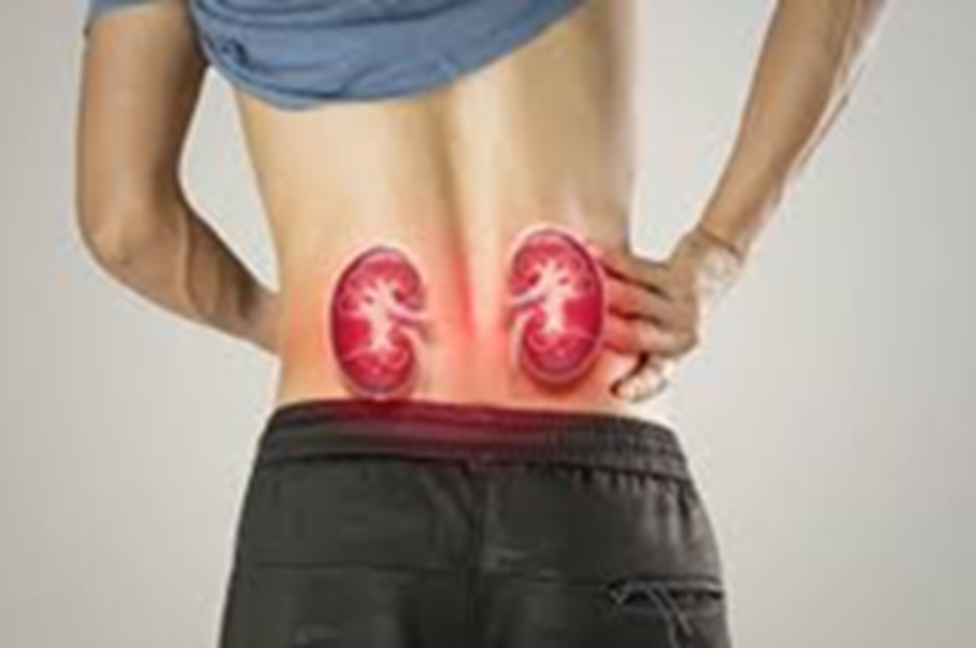
Symptoms of kidney disease
Early Warning Signs Of Kidney Problems: Kidneys are one of the most vital organs in our body. They filter impurities and toxins from the blood, maintain fluid balance in the body, and support many vital functions. However, if they are not properly cared for, a variety of diseases can arise. The most worrying thing is that kidney disease often progresses silently, and symptoms appear only when the condition has become more severe. Therefore, regular checkups and awareness of risk factors are essential.
Why does the kidney have problems?
According to the Mayo Clinic, a health information organization, kidney disease is any impairment of kidney function. These include kidney infections, chronic kidney disease, kidney stones, glomerulonephritis, and polycystic kidney disease. Certain conditions increase the risk of kidney disease, such as diabetes, high blood pressure, obesity, smoking, and a family history of kidney failure. People over the age of 60 are also at higher risk.
Why is it important for the kidneys to remain healthy?
Kidneys don't just remove waste from the body. They produce hormones that regulate blood pressure and help produce red blood cells. They're also responsible for maintaining electrolyte balance and eliminating excess water. If the kidneys don't function properly, all of these processes are affected. Kidney disease is increasing worldwide and is directly linked to heart disease. Kidney failure increases the risk of death from heart disease and can worsen complications from diabetes and hypertension. Left untreated, this condition can progress to kidney failure, requiring dialysis or a transplant.
What are its symptoms?
In terms of symptoms, kidney disease is often asymptomatic in the beginning. However, as the condition worsens, some signs may appear, including frequent urination, swelling in the ankles and feet, loss of appetite and weight loss, blood or foam in the urine, dry and itchy skin, difficulty breathing, persistent swelling around the eyes, muscle cramps, and trouble sleeping. These signs should not be ignored.
Which tests are necessary?
If symptoms appear, it's important to consult a doctor. Regular testing can help detect the problem early. Common tests include serum creatinine, cystatin C, estimated glomerular filtration rate, blood urea nitrogen, urine tests, and urine albumin-creatinine ratio.