NEWS
July 2026 DA Hike: Will Central Government Employees Get a 3% or 4% Increase? Here's What AICPI Data Indicates
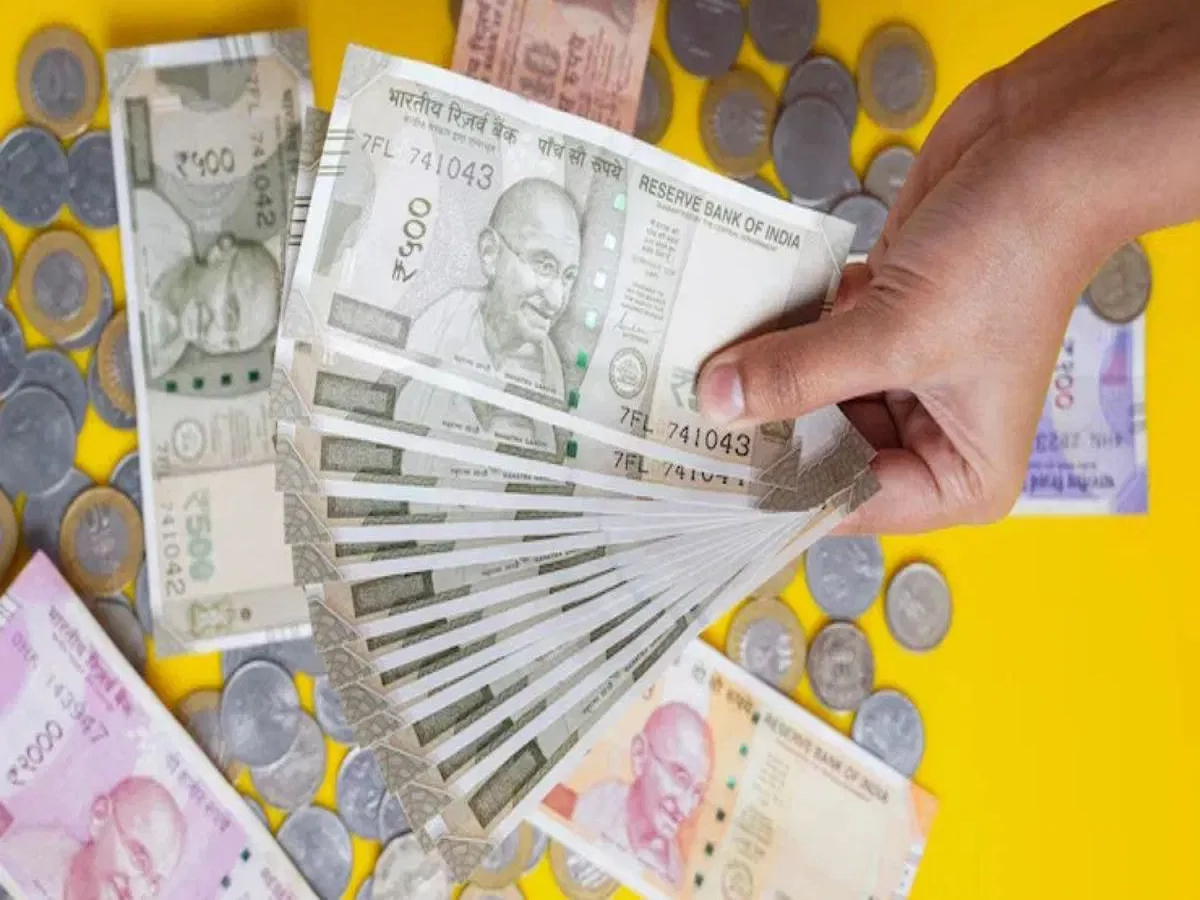
Millions of central government employees and pensioners are awaiting the next Dearness Allowance (DA) revision scheduled for July 2026. The latest figures released under the All India Consumer Price Index for Industrial Workers (AICPI-IW) have provided fresh clues about the likely increase, with current calculations pointing toward a 3% DA hike rather than the 4% increase many employees have been hoping for.
Although the final decision will depend on the June 2026 AICPI-IW data, the numbers available up to May suggest that the Dearness Allowance could rise from the existing 60% to 63%.
Latest AICPI-IW Data Signals a Possible 3% DA Increase
According to the Labour Bureau's latest release, the AICPI-IW index stood at 150.8 in May 2026, marking the highest level recorded in the past 12 months. Based on the rolling average used for DA calculations, the current trend indicates that central government employees are likely to receive a 3% increase in Dearness Allowance.
However, the official DA announcement will only be made after the June 2026 inflation index is released later this month.
Current Dearness Allowance Stands at 60%
Earlier this year, the central government approved a 2% increase in Dearness Allowance effective from January 2026, taking the DA rate from 58% to 60% for eligible employees and pensioners.
The upcoming revision for July 2026 will be determined using the average AICPI-IW figures for the latest 12-month period.
AICPI-IW Index for the Last 12 Months
| Month | AICPI-IW |
|---|---|
| June 2025 | 145.0 |
| July 2025 | 146.5 |
| August 2025 | 147.1 |
| September 2025 | 147.3 |
| October 2025 | 147.7 |
| November 2025 | 148.2 |
| December 2025 | 148.2 |
| January 2026 | 148.6 |
| February 2026 | 148.5 |
| March 2026 | 149.1 |
| April 2026 | 149.9 |
| May 2026 | 150.8 |
12-month average AICPI-IW: 148.075
How Is Dearness Allowance Calculated?
The central government determines DA using a formula linked to the average AICPI-IW. Since the current consumer price index is based on the 2016 base year, it is first converted to the 2001 base year by multiplying it by 2.88.
The formula used is:
DA (%) = [(12-month average AICPI-IW (2001 base) – 261.42) ÷ 261.42] × 100
Calculation Based on May 2026 Data
- 12-month average AICPI-IW: 148.075
- Converted to 2001 base: 148.075 × 2.88 = 426.456
- DA calculation:
- (426.456 – 261.42) ÷ 261.42 × 100
- = 63.13%
Since the government announces DA in whole numbers rather than decimals, the current calculation translates to 63% DA, indicating a 3% increase over the existing 60%.
Can DA Increase by 4% Instead?
A 4% DA hike remains mathematically possible but appears less likely based on current data.
For the Dearness Allowance to reach 64%, the rolling 12-month average AICPI-IW would need to rise to approximately 148.86.
Experts estimate that this would require the June 2026 AICPI-IW index to touch around 154.5, significantly higher than recent monthly readings. Given the inflation trend over the past year, achieving such a jump appears challenging.
As a result, the probability of a 3% DA increase currently looks stronger than a 4% revision.
How Much Could Salary Increase?
To understand the financial impact, consider a Level-6 central government employee with a basic salary of ₹35,400.
Current Salary with 60% DA
- Basic Pay: ₹35,400
- DA (60%): ₹21,240
- Total (Basic + DA): ₹56,640
Salary After 63% DA
- Basic Pay: ₹35,400
- DA (63%): ₹22,302
- Total (Basic + DA): ₹57,702
Monthly increase: ₹1,062
The actual increase will vary depending on an employee's basic pay and pay level.
Final DA Decision Awaits June Inflation Data
While the May 2026 AICPI-IW figures strongly support a 3% Dearness Allowance hike, the outcome is not yet official. The Labour Bureau is expected to publish the June 2026 AICPI-IW data later this month, after which the central government will finalize the DA revision for employees and pensioners.
Until then, current inflation trends indicate that a 3% increase is the most likely outcome, while a 4% hike would require a sharper rise in the June consumer price index than has been seen in recent months.