
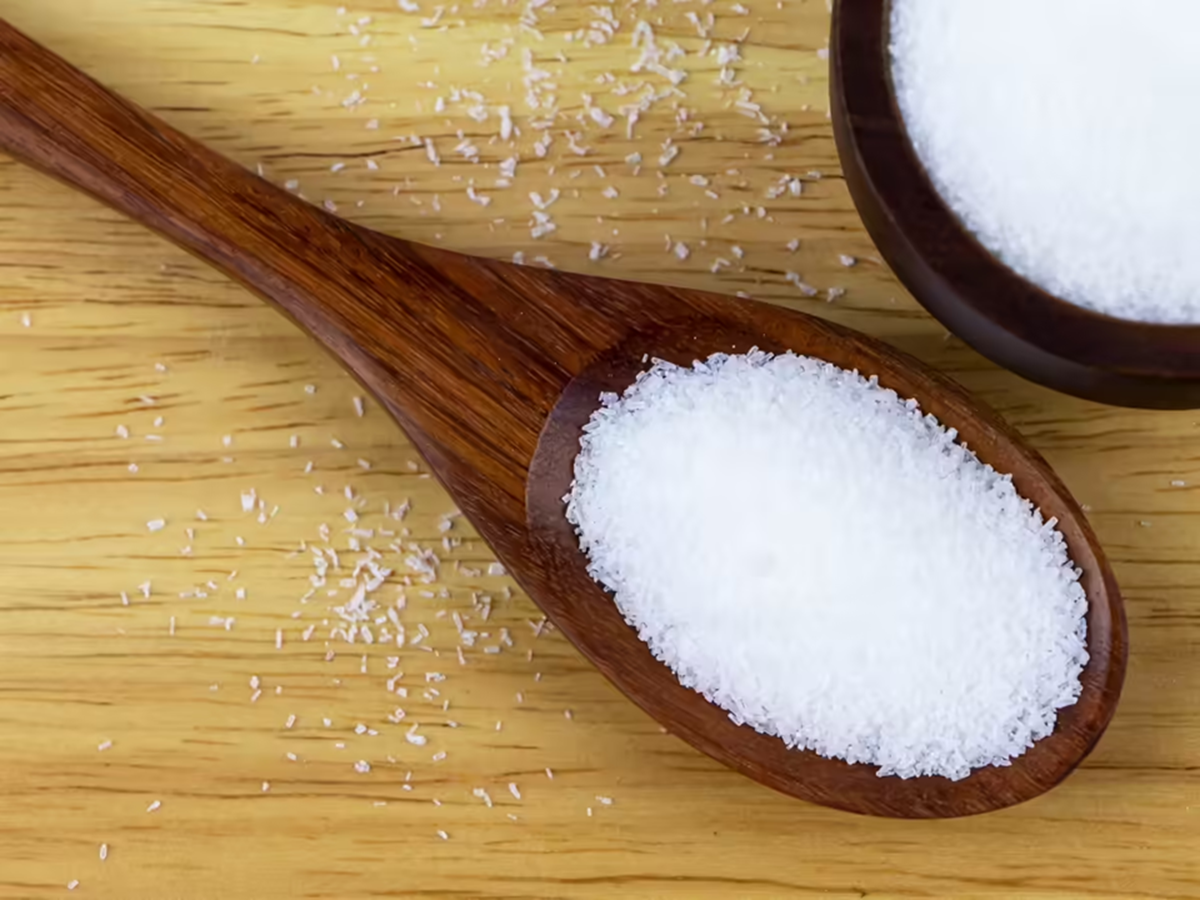
Ajinomoto is a brand name for monosodium glutamate. It enhances the flavor of food. It adds umami flavor, which is considered the fifth taste after sweet, sour, salty, and bitter.
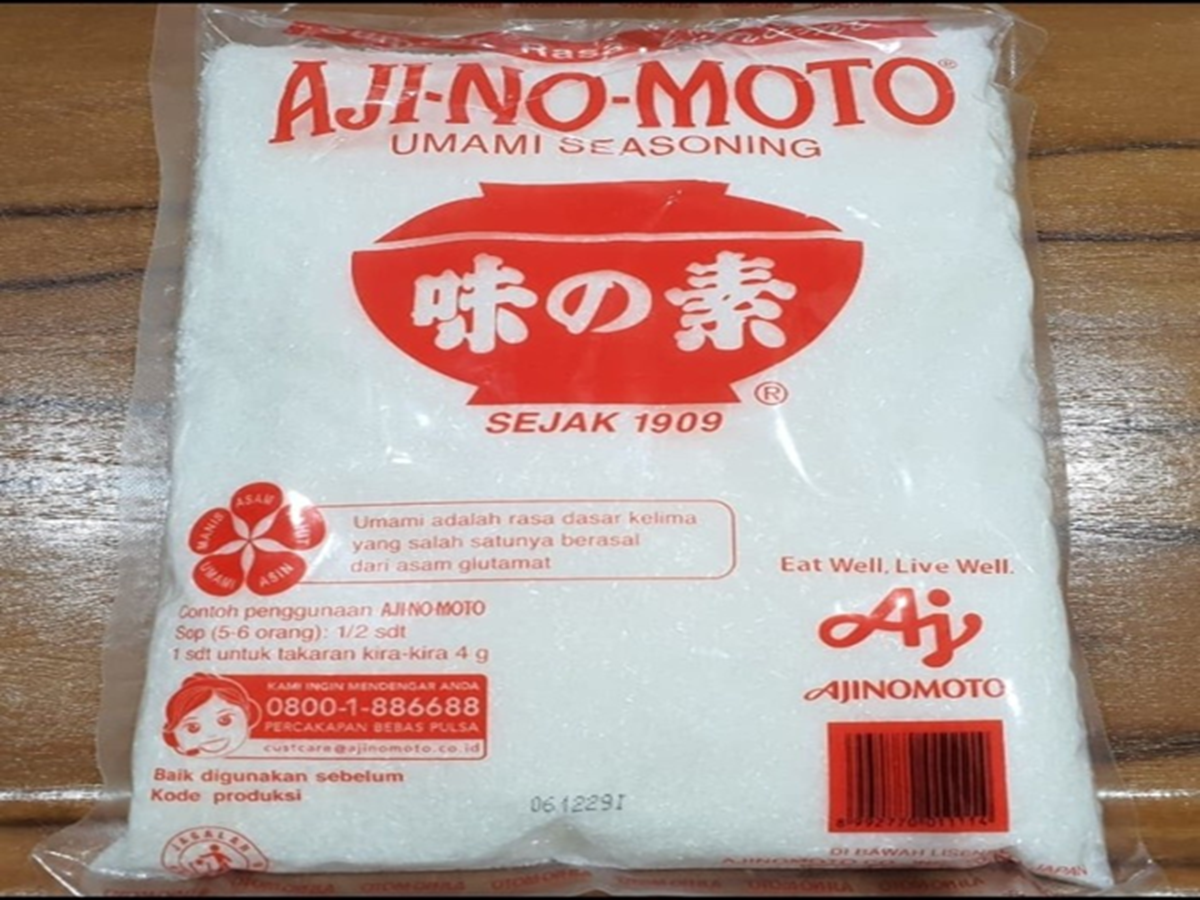
Ajinomoto
Nowadays, people love to eat junk food, while Ajinomoto is used in Chinese food, packaged snacks, and many processed foods. It is often claimed that Ajinomoto can cause heart attacks, high blood pressure, obesity, and other serious brain-related problems. Experts, on the other hand, believe that consuming it in limited quantities is safe for most people, but sometimes it can be dangerous to our health. So, let us tell you today whether Ajinomoto is truly dangerous to health and how much harm its consumption causes to the body.
What is Ajinomoto?
Ajinomoto is a brand name for monosodium glutamate. It is used to enhance the flavor of food. It adds umami flavor, which is considered the fifth taste after sweet, sour, salty, and bitter. MSG is produced through fermentation from plants such as sugarcane, beets, corn, or cassava. It is most commonly used in noodles, fried rice, soups, Manchurian, processed foods, snacks, sauces, and many fast food items. Many people assume that MSG and Ajinomoto are different. However, MSG is the name of the product, while Ajinomoto is the Japanese company that began producing it. Over time, the brand became so popular that people began referring to MSG as Ajinomoto.
Does Ajinomoto really cause harm?
According to experts, consuming MSG in moderation is considered safe for most healthy individuals. The US Food and Drug Administration also classifies it as a generally recognized as safe food ingredient. However, this does not mean that consuming it in large quantities is completely safe. Like any food, excessive consumption can have health consequences.
Excessive consumption can increase the problem.
Many people may experience headaches, sweating, a feeling of warmth in the face, heaviness in the chest, or weakness after eating food containing MSG. This was previously known as Chinese Restaurant Syndrome. However, this condition does not affect everyone. Experts also say that MSG contains sodium, so if someone already has high blood pressure or is at risk for heart problems, they should avoid eating foods containing MSG in large quantities. Furthermore, it can also lead to frequent eating of tasty foods, leading to excessive calorie consumption. In the long run, this can lead to weight gain and obesity.