NEWS
Iran War: From Basmati to medicines, these 6 sectors of India are in danger, and exporters are in trouble
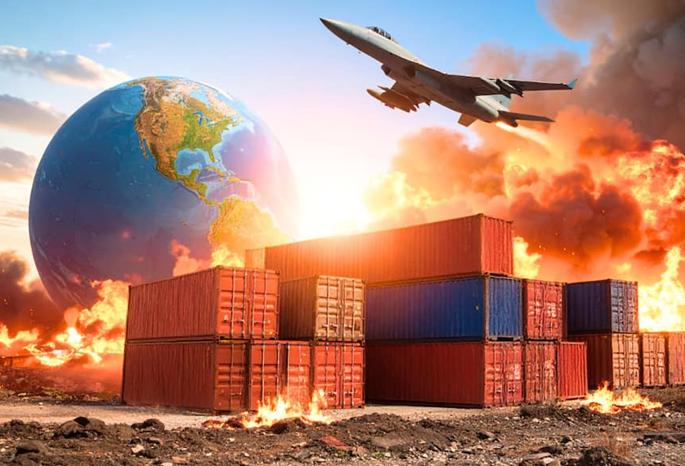
Iran War Impact: Due to the escalating tensions following the Iran War, six major Indian sectors, from basmati rice to pharmaceuticals, are under threat. Exporters are facing hardship due to high prices and long transit costs.

These 6 sectors of India are in danger, and exporters are in trouble.
Iran War Impact on Indian Economy: Iran-Israel tensions aren't just a threat of war; they're also posing a significant blow to India's economy. The Commerce Ministry said on Thursday that 56% of India's e
Sports to West Asia are currently being shipped via longer routes, increasing both costs and time. The ministry has presented an assessment of the impact on six key sectors.
West Asia is the largest market for Indian basmati, seafood, and fresh fruits. Currently, air and sea freight rates are rising rapidly. Fresh fruits and vegetables are at risk of spoilage in transit. Basmati payment channels are disrupted, disrupting the credit cycle. Even more concerning is the threat of LNG feedstock supplies for urea production. A nitrogen fertilizer shortage could arise before the monsoon season.
Engineering goods, from iron to machinery, everything is jammed.
This is India's largest commodity export category. There is strong demand for iron, steel, and machinery in West Asia, but LPG and PNG supplies to foundries and machining units are under pressure. This has also disrupted aluminum supplies.
Entry of Indian engineering goods into major Gulf ports has been disrupted. Ships are being diverted via longer routes, increasing transit times and incurring a war risk surcharge.
It is difficult to get gold and also to sell it.
The GCC countries are both buyers and suppliers for India's gems and jewelry industry. On the one hand, gold jewelry exports to the GCC are stagnating. This means that customized products made for the diaspora cannot be sold elsewhere.
Meanwhile, exports of gold bars and rough diamonds from the GCC are also constrained, limiting diversification options. Furthermore, the LPG crisis in manufacturing clusters is impacting metal melting and gemstone processing.
The biggest bet on the Strait of Hormuz
India is one of the world's largest importers of crude oil, natural gas, and liquefied petroleum gas (LPG). LPG transit routes through the Strait of Hormuz are currently under severe pressure, straining commercial and industrial LPG supplies. However, the ministry stated, "Supplies are being maintained through priority allocation for domestic and CNG."
Chemicals and Petrochemicals – MSMEs are not getting raw materials
Pharmaceuticals, textiles, agriculture, and packaging all rely on petrochemicals. Supply disruptions to crucial pharmaceutical inputs like isopropyl alcohol (IPA) and solvents are occurring. The prices of polymers like polyethylene (PE) and polypropylene (PP) are rising rapidly, leaving small and medium-sized enterprises facing a raw material crisis.
The entire chain of medicine manufacturing is shaking.
India is the world's largest supplier of generic drugs and exporter of active pharmaceutical ingredients (APIs), and it is in the most vulnerable position. The full extent of the crisis is as follows...
- IPA and solvent reduction from gas reduction.
- This disrupts API production and delays the manufacturing of medicines.
- Packaging is also becoming expensive.
The cost of high-density polyethylene (HDPE) and PP is rising, and glass furnaces are at risk of closure, making restarting extremely difficult.
Government's response
In response to the crisis, the government has announced that it will increase Export Credit Guarantee Corporation (ECGC) insurance coverage to 100% and will not increase premiums, allowing the government to assume the risk of exporters' payment defaults. However, imports and exports are facing a significant crisis.