LIFESTYLE
Iodine Deficiency: Are you suffering from iodine deficiency? Include these 4 things in your diet.
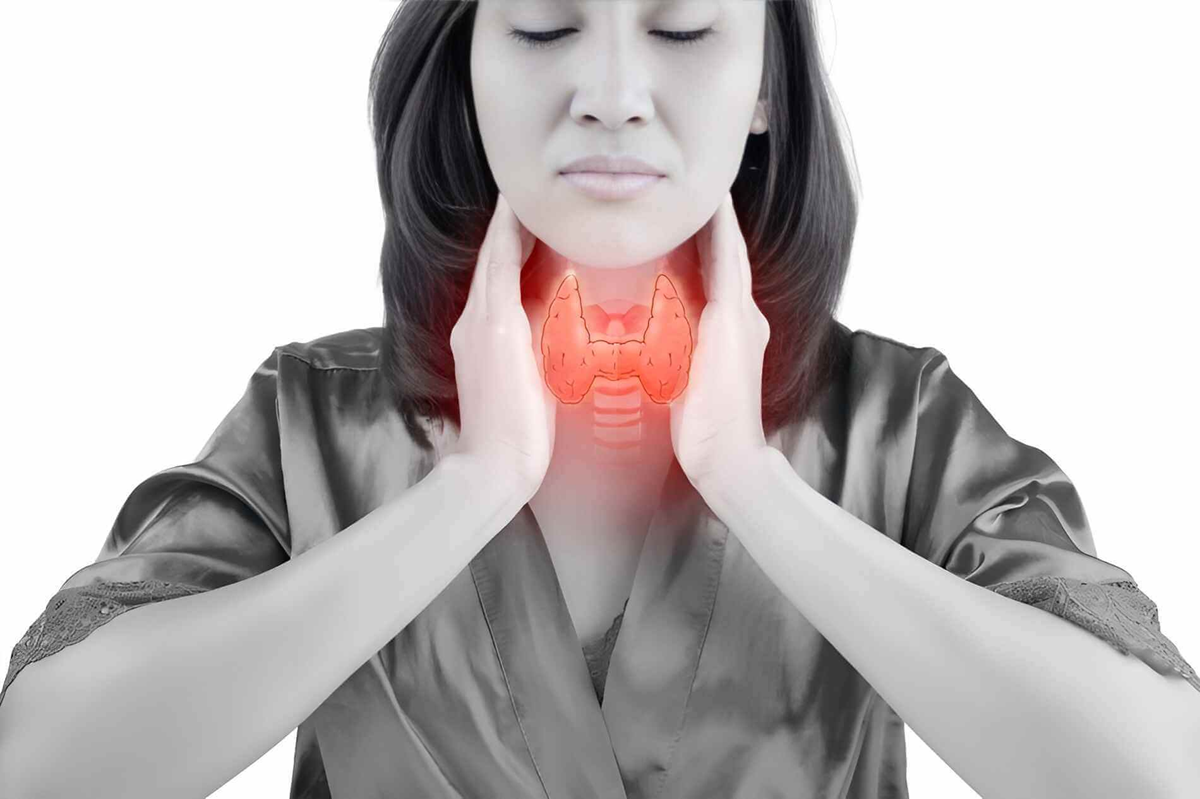
Thyroid Health: If iodine deficiency persists in the body for a long time, its effects can be seen on health in different ways. Its deficiency can cause the problem of enlargement of the thyroid gland in the neck.

Symptoms and harm of iodine deficiency in the body
Why Iodine Is Essential for Thyroid Health: Iodine is an essential mineral required by the body; though it is needed in small quantities, it plays a crucial role. It helps the body produce thyroid hormones. These hormones influence many important functions, including metabolism, energy levels, and normal growth. Adequate iodine is especially essential for children's brain development and learning abilities. Iodine intake should also be considered during pregnancy, as it plays a vital role in fetal development.
According to the health information organization clevelandclinic, long-term iodine deficiency can have various health effects. Iodine deficiency can cause an enlargement of the thyroid gland in the neck, known as goiter. Furthermore, low thyroid hormone levels can lead to fatigue, weight gain, and a tendency to feel cold. In children, iodine deficiency can also affect development and mental capacity. Difficulties with concentration and memory can also be associated with iodine deficiency. Not getting enough iodine during pregnancy can also be a cause for concern.
Why is iodine so important for the body?
Iodine's most important function is to help produce thyroid hormones. These hormones regulate the body's metabolism, play a role in energy use, and support normal growth. Its importance increases during child development. Adequate iodine intake during pregnancy is essential for the healthy development of the fetus. Therefore, it is important to include adequate sources of iodine in your daily diet.
What to eat to avoid iodine deficiency?
The easiest way to get iodine is to use iodized salt. Choosing iodized salt over regular salt when cooking can help meet your daily needs. However, excessive salt consumption is not recommended, so choosing the right type of salt is a better way to get iodine than increasing your salt intake.
Seafood is also a good source of iodine. Seaweed can be naturally high in iodine. Fish and other seafood can also provide iodine. These can be included in your diet based on your general eating habits and availability.
Milk and its products are also iodine-rich foods. Dairy products like milk, yogurt, and cheese can be part of a balanced diet. Eggs are also a good source of iodine and provide protein, so they can be a useful addition to your diet.
Potatoes also contain some iodine. However, rather than relying solely on a single food item, it's better to have a balanced diet by combining different food sources. Eggs are also considered a good source of iodine. Eggs provide protein in addition to iodine, making them a useful addition to a balanced daily diet.
How to keep iodized salt safe?
As important as using iodized salt is, storing it properly is equally important. Iodine can be degraded by moisture, heat, and prolonged exposure to light. Therefore, it is better to store salt in a dry, tightly closed container rather than in an open container. When cooking, adding salt just before the food is ready rather than too early can help preserve iodine.
Why should we be cautious about certain foods?
Certain foods are known as goitrogenic foods, which can affect thyroid function. These include things like cabbage, cauliflower, and soybeans. This doesn't mean they should be completely avoided. Consuming them in moderate amounts can be part of a normal diet, but those suffering from iodine deficiency may find it helpful to seek expert advice on their diet.