LIFESTYLE
Intestinal Worm Infection: Common Symptoms, Foods to Eat, and Important Precautions to Follow
Intestinal worm infections are a common health concern, particularly among children, although adults can also be affected. These infections usually occur when parasite eggs or larvae enter the body through contaminated food, unsafe drinking water, poor hygiene practices, or contact with contaminated soil and surfaces.
If left untreated, intestinal worms can interfere with digestion, nutrient absorption, and overall health. While most cases can be effectively treated with proper medical care, recognizing the symptoms early and maintaining good hygiene are essential for prevention and recovery.
Here is everything you need to know about the warning signs of intestinal worm infections, dietary recommendations, hygiene practices, and when to seek medical advice.
What Are Intestinal Worm Infections?
Intestinal worms are parasites that live in the digestive tract and feed on nutrients from the host's body. Common types include:
- Roundworms
- Pinworms
- Hookworms
- Tapeworms
These parasites can affect people of all ages but are more frequently seen in children due to increased exposure to contaminated environments and developing hygiene habits.
Common Symptoms of Intestinal Worms
The symptoms of intestinal worm infections can vary depending on the type and severity of the infestation. However, several warning signs are commonly reported.
Frequent Stomach Pain or Discomfort
Persistent abdominal pain or cramping may occur as worms irritate the digestive tract.
Digestive Problems
Individuals may experience:
- Indigestion
- Nausea
- Irregular bowel movements
- Digestive discomfort
Changes in Appetite
Some people notice a reduced appetite, while others may feel unusually hungry despite eating normally.
Weakness and Fatigue
Worms can interfere with nutrient absorption, potentially leading to tiredness, weakness, and reduced energy levels.
Bloating and Abdominal Distension
Excess gas, bloating, and a feeling of fullness may occur due to digestive disturbances.
Parents should pay particular attention to these symptoms in children, as untreated infections may affect growth and nutrition over time.
Include Fiber-Rich Foods in Your Diet
A healthy digestive system plays an important role in maintaining gut health and supporting normal bowel function.
Foods rich in dietary fiber may help promote digestive regularity and overall intestinal health.
Examples include:
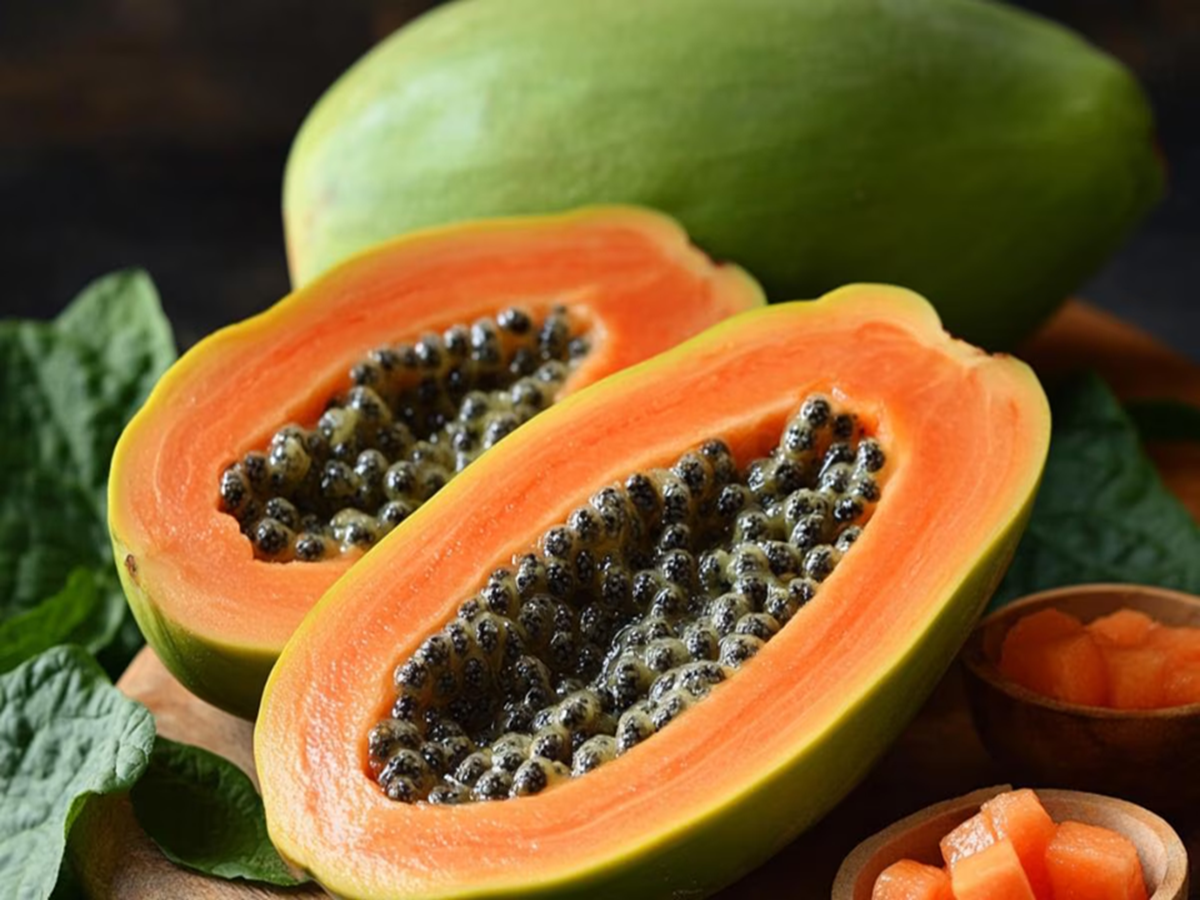
- Papaya
- Apples
- Fresh salads
- Green leafy vegetables
- Whole grains
- Oats
- Legumes
Fiber supports healthy digestion and helps maintain normal intestinal function.
Probiotic Foods Can Support Gut Health
Probiotics are beneficial microorganisms that contribute to a healthy digestive system.
Including probiotic-rich foods in your diet may help support gut balance and improve digestive comfort.
Good options include:
Yogurt
Yogurt contains beneficial bacteria that can support digestive health.
Buttermilk
A traditional probiotic beverage that is often gentle on the stomach.
Mild Fermented Foods
Certain homemade fermented foods may provide beneficial microorganisms that support gut health.
Light Home-Cooked Meals
Simple foods such as khichdi and easily digestible meals can be helpful when experiencing digestive discomfort.
Foods That May Be Best Limited During Digestive Distress
When dealing with digestive symptoms, certain foods may contribute to discomfort or poor digestion.
Consider limiting:
Excessively Sugary Foods
High-sugar foods may contribute to digestive imbalance in some individuals.
Junk Food and Highly Processed Foods
These foods often provide limited nutritional value and may worsen digestive issues.
Heavy and Greasy Meals
Rich, oily, or difficult-to-digest foods can sometimes aggravate stomach discomfort.
Maintaining a balanced and nutritious diet can help support recovery and overall digestive health.
Hygiene Is the First Line of Defense
Good personal hygiene remains one of the most effective ways to prevent intestinal worm infections.
Health experts recommend the following habits:
Wash Hands Thoroughly
Always wash hands:
- Before eating
- After using the toilet
- After handling soil or animals
Keep Nails Clean and Short
Dirt and parasite eggs can sometimes accumulate under fingernails.
Drink Safe Water
Use clean and safe drinking water to reduce the risk of contamination.
Wash Fruits and Vegetables Properly
Fresh produce should be thoroughly cleaned before consumption.
These simple practices can significantly reduce the risk of infection.
Popular Home Remedies Often Discussed
Several traditional remedies are commonly mentioned in discussions about digestive health and intestinal worms.
These include:
- Garlic
- Pumpkin seeds
- Carom seed (ajwain) water
- Certain fruits such as peaches
While these foods are part of traditional dietary practices, scientific evidence supporting their effectiveness against worm infections varies. They should not be considered substitutes for medical diagnosis or prescribed treatment.
When to Consult a Doctor
Anyone experiencing persistent symptoms should seek professional medical advice.
Medical attention is especially important if symptoms include:
- Severe abdominal pain
- Significant weight loss
- Persistent diarrhea
- Blood in stool
- Ongoing fatigue
- Symptoms in young children
Doctors can diagnose intestinal worm infections through appropriate testing and prescribe antiparasitic medications when necessary.
The Bottom Line
Intestinal worm infections are common but manageable when identified and treated early. Symptoms such as stomach pain, digestive disturbances, fatigue, appetite changes, and bloating should not be ignored, particularly in children.
Maintaining good hygiene, eating a balanced diet rich in fiber, supporting gut health with probiotic foods, and seeking timely medical care can help reduce complications and promote recovery.
Disclaimer: This article is for informational purposes only and should not be considered medical advice. If you suspect an intestinal worm infection, consult a qualified healthcare professional for proper diagnosis and treatment. Home remedies should not replace prescribed medical care.