NEWS
Install RO water plant in the village, increasing demand for clean water will generate good income
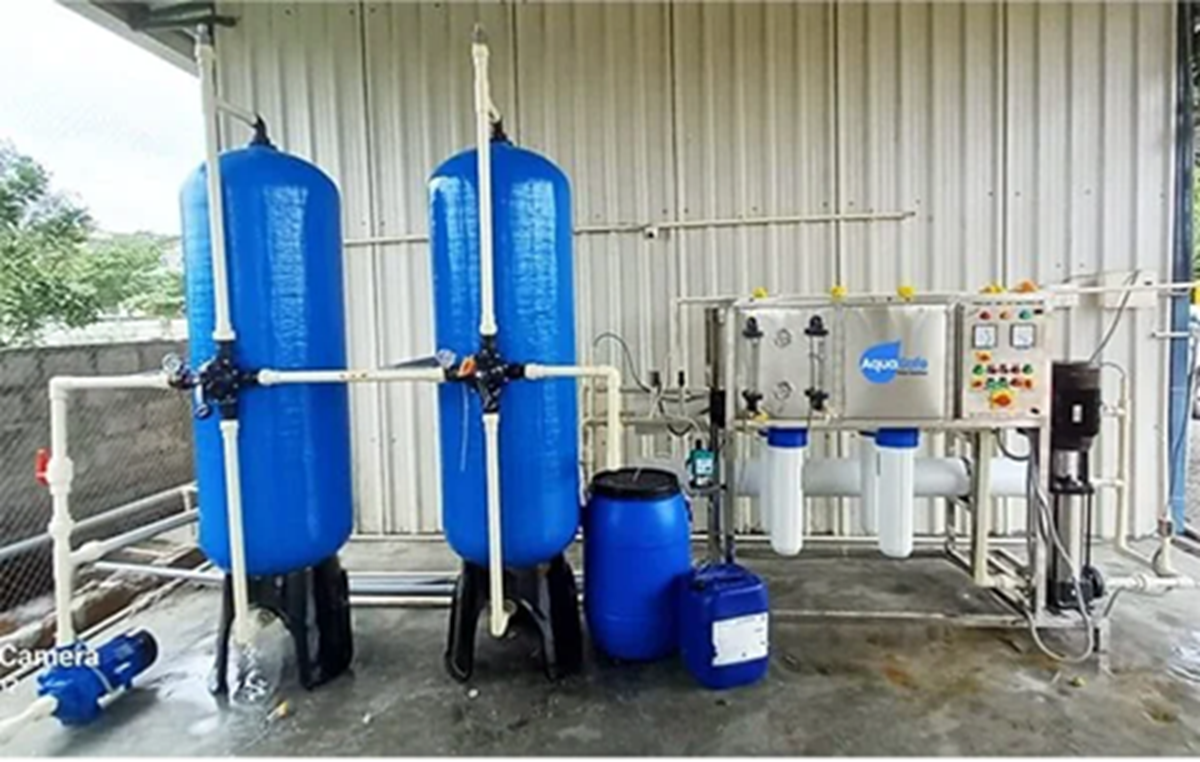
Village Business Idea: If you want to do business while living in a village, you can earn a good income by installing an RO plant. It's important to have a proper plan before starting the business.
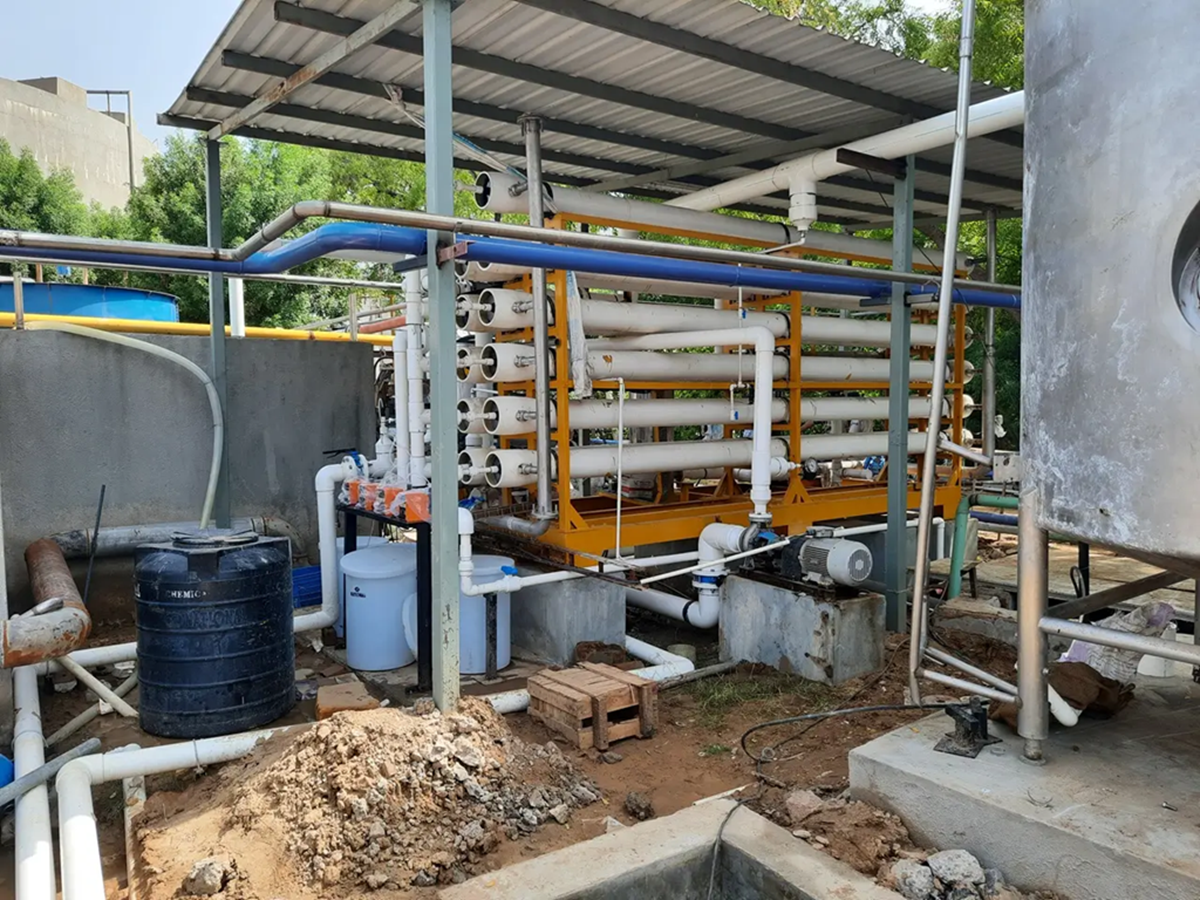
The growing demand for clean water will generate significant revenue.
Village Water Plant Business: Electricity and water systems have improved in rural areas compared to the past, but the need for clean water still persists in many villages. If you live in a village, you'll know that the problem of clean water causes significant difficulties for people. However, you can find a solution to this problem and turn it into a source of income. You can start a water-related business on a low budget. It doesn't require a lot of space; you can earn a substantial income by installing a small RO plant in a limited area.
How to start this business?
Planning is essential before starting any business. A business started with proper planning can prove profitable. Initially, there's no need to install a large RO plant. You can install an RO plant with a capacity of 250 to 1,000 liters per hour. A small jar and filter unit setup can be started for approximately ₹100,000 to ₹300,000.
Take special care of some things
If you're considering starting a plant, first get the source of water lab-tested. This will determine the water quality and whether it's harmful to use. Based on the report, a proper filtration system can be installed.
Additionally, obtaining licenses and permissions before starting a water plant is essential. Before starting your business, you must meet FSSAI requirements and obtain the necessary permissions from the local administration.
How to earn?
- You can supply 20 litre water jars to villages, schools and shops.
- Apart from this, you can also supply water jars during a wedding or any party.
- If the water supply increases, you can earn a good amount of money every month.
Note that your profit will depend on how many water jars you sell, the price of the jars, delivery costs, and local demand for them.