LIFESTYLE
Indoor Plant Care Mistakes: If Your Houseplants Dry Up Quickly, Fix These Common Errors Today
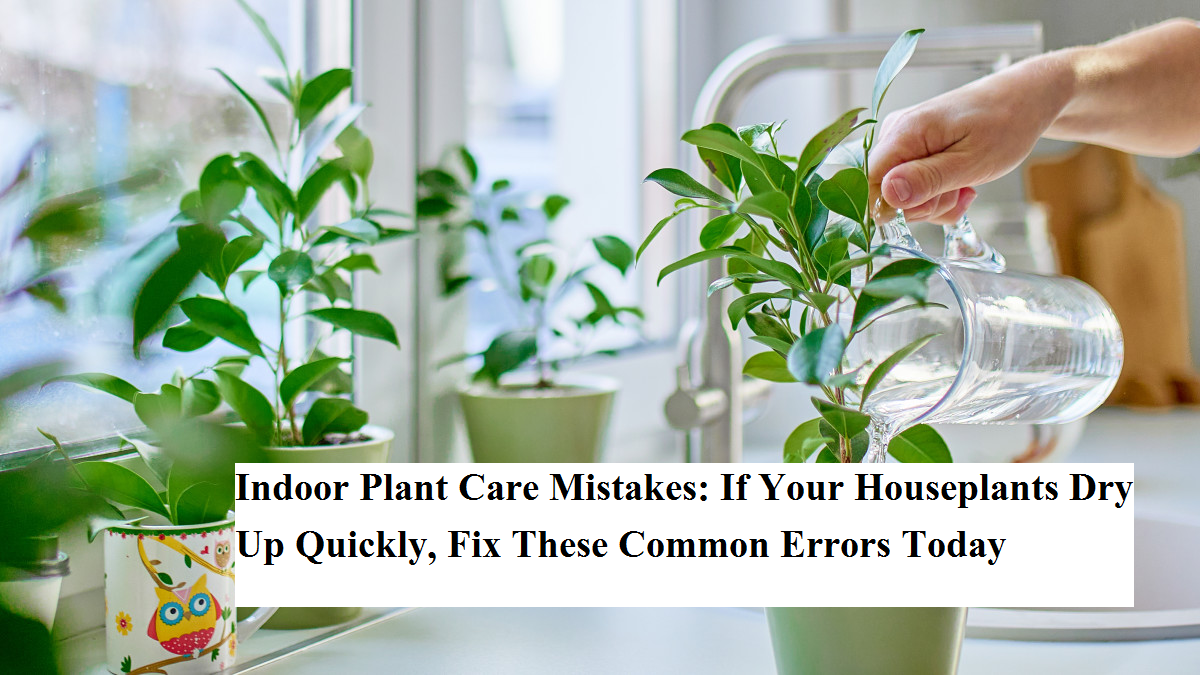
In recent years, the trend of keeping indoor plants at home has grown rapidly. Green plants not only enhance the beauty of a house but also help improve air quality and create a fresh, calming atmosphere. Whether placed in the living room, bedroom, or on a work desk, indoor plants add a natural charm to every corner of the home.
However, many people experience a common problem—within a short time of bringing plants home, the leaves start turning yellow or the plant begins to wilt completely. This often leads to the belief that the home environment is unsuitable for plants. In reality, the main reason behind dying indoor plants is not the surroundings, but everyday care mistakes.
Why Indoor Plants Start Dying
When indoor plants begin to dry out or weaken, the biggest reason is usually improper care. Many people unknowingly make small but harmful mistakes in daily plant maintenance. If you want your indoor plants to stay healthy, green, and fresh for a long time, it is important to identify and correct these errors.
Overwatering Is the Biggest Mistake
One of the most common reasons indoor plants die is excessive watering. Many people think that watering plants daily is necessary, but this is not true. Every plant has different water requirements. When plants are watered without checking the soil, the pot remains constantly wet. This leads to root rot, which slowly damages the plant and eventually causes it to die.
Always Check the Soil Before Watering
The easiest way to avoid overwatering is to check the soil before adding water. Simply touch the soil with your finger. If the top layer feels dry, only then should you water the plant. This habit helps protect the roots and keeps the plant healthy.
Choosing the Right Spot Matters
After watering, the second biggest mistake is placing the plant in the wrong location. Not all indoor plants require the same amount of light. Some plants get damaged in direct sunlight, while others struggle in dark corners. Due to lack of information, people often place plants either in very low-light areas or under harsh sunlight.
Impact of Improper Lighting
When plants are kept in unsuitable lighting conditions, their leaves may turn yellow and lose their natural shine. That’s why it’s important to understand the light needs of each plant. Plants that prefer indirect light should be placed near windows, while those sensitive to sunlight should be kept slightly away from direct exposure.
Ignoring Proper Drainage
Many people choose decorative pots without drainage holes, which can be harmful for indoor plants. Without proper drainage, excess water gets trapped in the pot, leading to soggy soil and root decay. Always use pots with drainage holes so that extra water can flow out and the soil retains only the required moisture.
Cleaning the Leaves Is Important
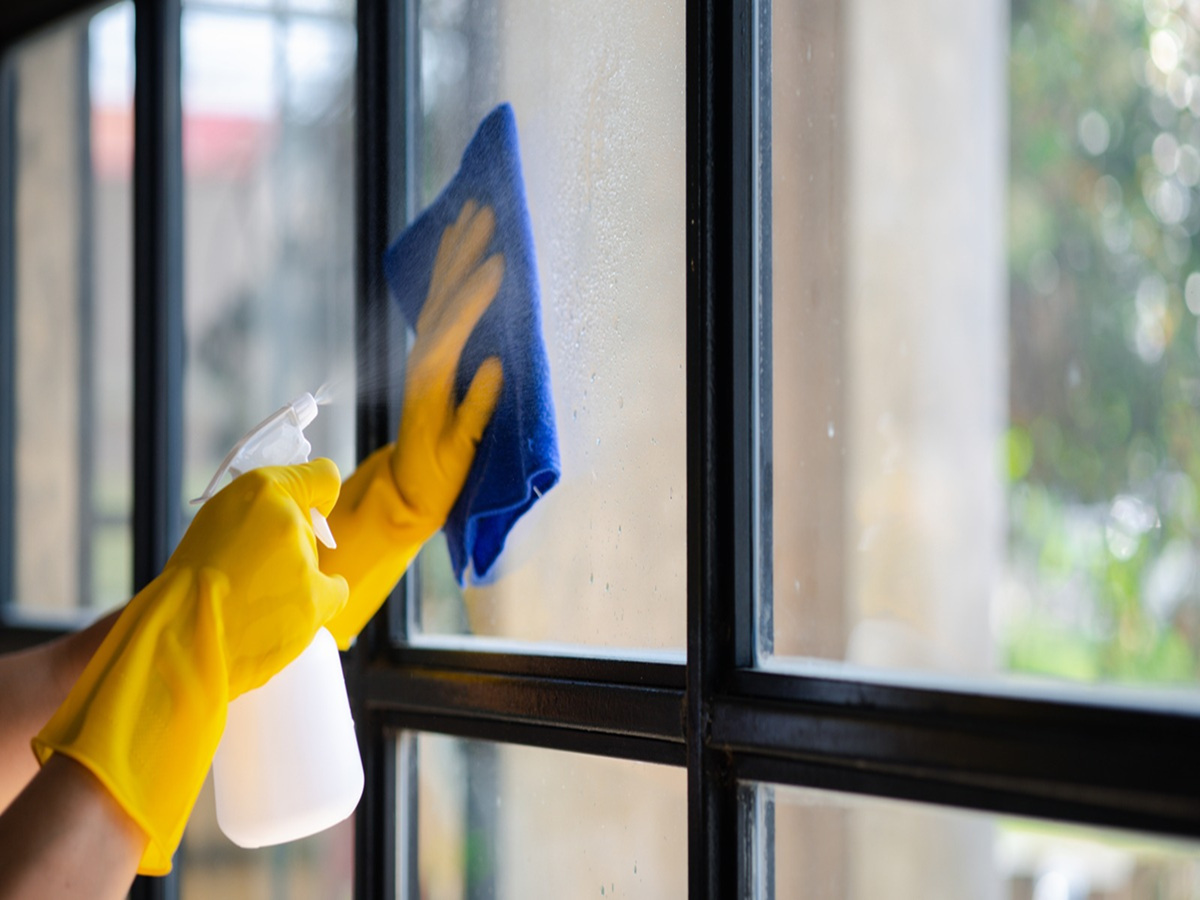
Since indoor plants are kept inside the house, dust easily settles on their leaves. Over time, this dust layer blocks the plant’s ability to breathe properly. While most people focus only on watering the soil, they often forget to clean the leaves. Wiping the leaves gently with a damp cloth at least once a week removes dust and supports healthy growth.
Do Not Ignore Nutrition
Another common mistake is neglecting fertilizers. Many people assume that indoor plants do not need nutrients. However, without proper nourishment, plant growth slows down. Just like humans need food, plants also need nutrition to stay strong. Adding a small amount of organic fertilizer once a month provides essential nutrients and helps plants remain green and healthy.
Final Thoughts
Indoor plants can thrive beautifully if they receive the right care. By avoiding overwatering, ensuring proper light, maintaining good drainage, cleaning leaves regularly, and providing timely nutrition, you can keep your houseplants fresh and vibrant for a long time. Small changes in daily care can make a big difference in plant health.