
NEWS
India vs Afghanistan T20 Series to Get a Broadcast Upgrade With World Cup-Style Production Technology
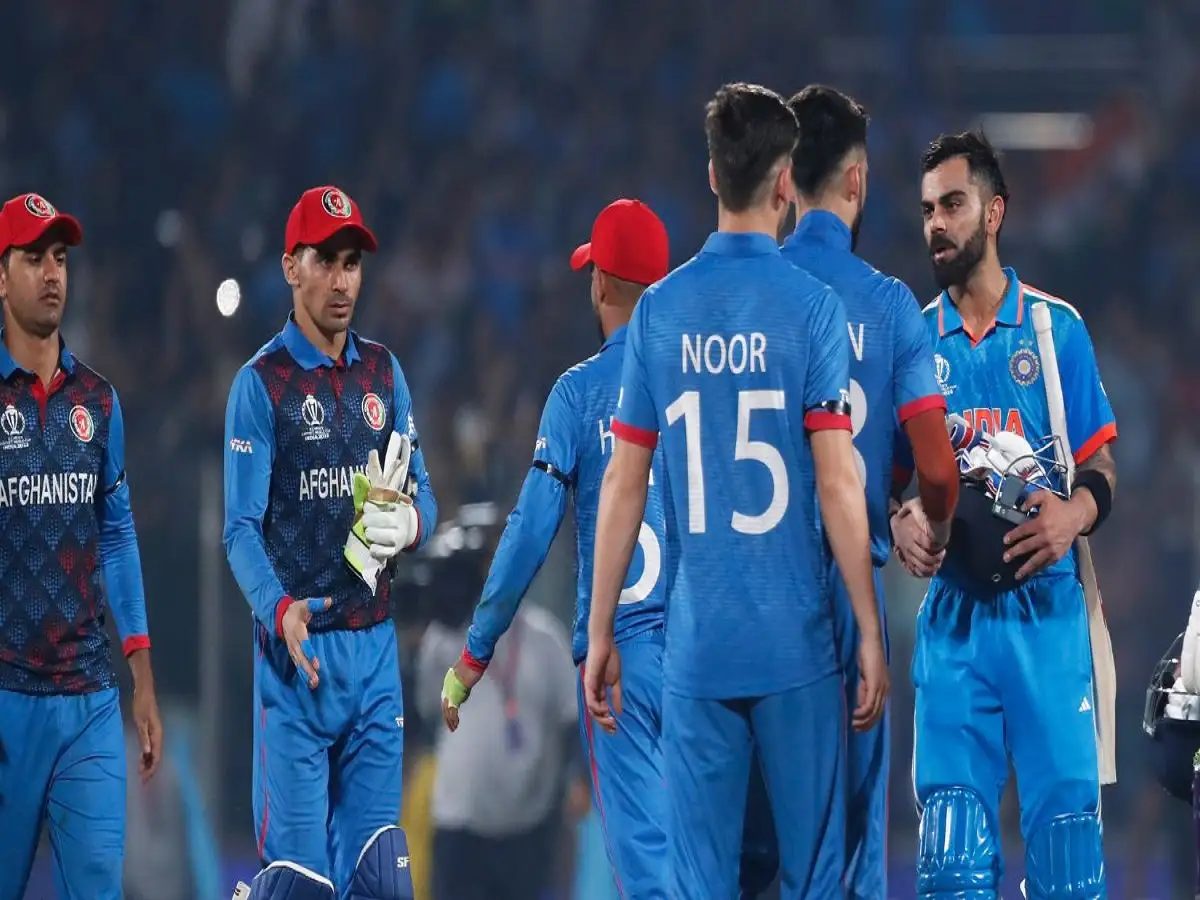
Cricket fans following the upcoming India-Afghanistan T20 series could be in for a significantly different viewing experience. The three-match contest scheduled for September is expected to feature an ambitious broadcast production setup designed to make the action more immersive for audiences watching on television and digital screens.
India's men's cricket team is currently scheduled for its Sri Lanka assignment before turning its attention to Afghanistan for the T20 series. While the matches will take place in India, the series has an unusual hosting arrangement: the Afghanistan Cricket Board (ACB) will serve as the host board.
Beyond the cricket itself, considerable attention is being given to how the matches will look on screen. The production partner has indicated that technology and expertise associated with major global sporting events, including the FIFA World Cup, will influence the broadcast presentation.
Here's what cricket fans can expect from the upcoming series.
India vs Afghanistan T20 Series Scheduled for September 13-17
India and Afghanistan are set to face each other in a three-match T20 series between September 13 and September 17, 2026.
The matches are scheduled to be played in New Delhi, giving Indian supporters an opportunity to watch the two Asian teams compete on home soil.
Despite India being the venue country, Afghanistan will be the designated host for the series.
That means the Afghanistan Cricket Board is expected to oversee various organisational aspects associated with the series, including match arrangements, ticketing and coordination of television and digital broadcast operations.
The arrangement itself makes the series unusual, but the planned production standards are generating additional interest.
ITW Universe Takes Charge of Match Production
The responsibility for producing the series has been assigned to ITW Universe.
According to the claims surrounding the production plan, viewers can expect a broadcast approach influenced by the technology, expertise and visual standards associated with the 2026 FIFA World Cup.
The objective is to provide cricket audiences with a more premium viewing experience rather than relying only on conventional camera angles and standard match coverage.
If successfully implemented, the production could make the India-Afghanistan matches look noticeably different across television, smartphones, tablets and computer screens.
Ultra-Slow-Motion Cameras to Capture Crucial Moments
One of the major technologies expected to feature in the coverage is ultra-slow-motion camera systems.
Slow-motion replays have long been an important part of cricket broadcasting, but advanced high-frame-rate cameras can provide significantly more detailed views of fast-moving moments.
For example, viewers could get a closer look at the precise moment the ball meets the bat, the movement of a bowler's wrist during delivery or a fielder completing a difficult catch.
Such footage can also improve analysis during replays, particularly for moments that happen too quickly to examine clearly at normal speed.
For T20 cricket, where matches can change within a single delivery, enhanced slow-motion footage could add considerable value to the broadcast.
Drone Cameras Could Bring New Aerial Views
Drone feeds are also expected to form part of the visual presentation.
Aerial cameras can provide wide views of the stadium, playing surface, crowd and surrounding environment. They can also be used during breaks in play and other appropriate moments to create a more cinematic presentation.
Rather than watching the entire contest through conventional fixed cameras positioned around the stadium, viewers could receive a wider variety of perspectives.
Drone footage has become increasingly common at major sporting events, and its use could give the series a more polished international-event feel.
AI-Stabilized POV Cameras Could Bring Fans Closer to the Action
Another notable element mentioned in the production plans is the use of AI-stabilized point-of-view cameras.
POV-style cameras are designed to provide perspectives that feel much closer to the players or the action. Stabilisation technology can help make such footage smoother and easier to watch, particularly when the camera itself is moving.
Used effectively, these systems could offer viewers fresh perspectives from around the playing area and potentially make certain sequences feel more immersive.
The final experience, however, will depend on exactly how the technology is deployed during the matches.
Advanced Production Could Change How T20 Cricket Looks on Screen
Modern sports broadcasting involves much more than placing cameras around a stadium.
Live production requires coordination between camera operators, directors, replay teams, graphics systems, audio engineers and other technical specialists. The best broadcasts combine these elements without distracting viewers from the actual competition.
For the India-Afghanistan series, the stated aim is to create a presentation comparable in ambition to major international sporting tournaments.
That could mean more dynamic visuals, sophisticated replay sequences and greater variety in camera perspectives throughout the matches.
World Cup-Style Production for a Bilateral Series
ITW Universe has positioned the project as an attempt to bring World Cup-level production standards to a bilateral cricket series.
That is significant because the most elaborate broadcast setups are usually associated with major global tournaments where production budgets and international audiences are considerably larger.
A three-match bilateral series typically operates on a different scale.
If the technologies and production standards outlined for the India-Afghanistan matches are implemented as planned, the series could demonstrate how premium broadcast techniques can also be used for shorter bilateral contests.
Why This Series Could Be Different for Fans Watching From Home
India versus Afghanistan already has the potential to attract substantial attention because of the growing competitiveness of Afghanistan in international cricket and India's enormous cricket audience.
The enhanced broadcast plans add another dimension.
Fans watching from home could get closer views of important deliveries, catches and batting shots through advanced slow-motion systems, while drone footage and alternative camera perspectives could provide a stronger sense of the stadium atmosphere.
Digital viewers could also benefit from the higher production quality as live sports consumption increasingly shifts between television, mobile devices and computers.
Cricket and Technology Come Together
The India-Afghanistan T20 series is shaping up to be interesting not only because of the contest between the two teams but also because of the technology planned behind the cameras.
With ultra-slow-motion systems, drone feeds, AI-stabilized POV cameras and an upgraded production setup among the features being discussed, viewers could receive a more immersive presentation than they typically expect from a bilateral series.
The three matches scheduled between September 13 and 17 will ultimately show how effectively these plans translate from production claims to the live broadcast.
If the proposed technology is deployed successfully, fans watching India take on Afghanistan may find that some of the biggest highlights of the series come not only from what happens on the field, but also from how closely they are able to experience it on screen.