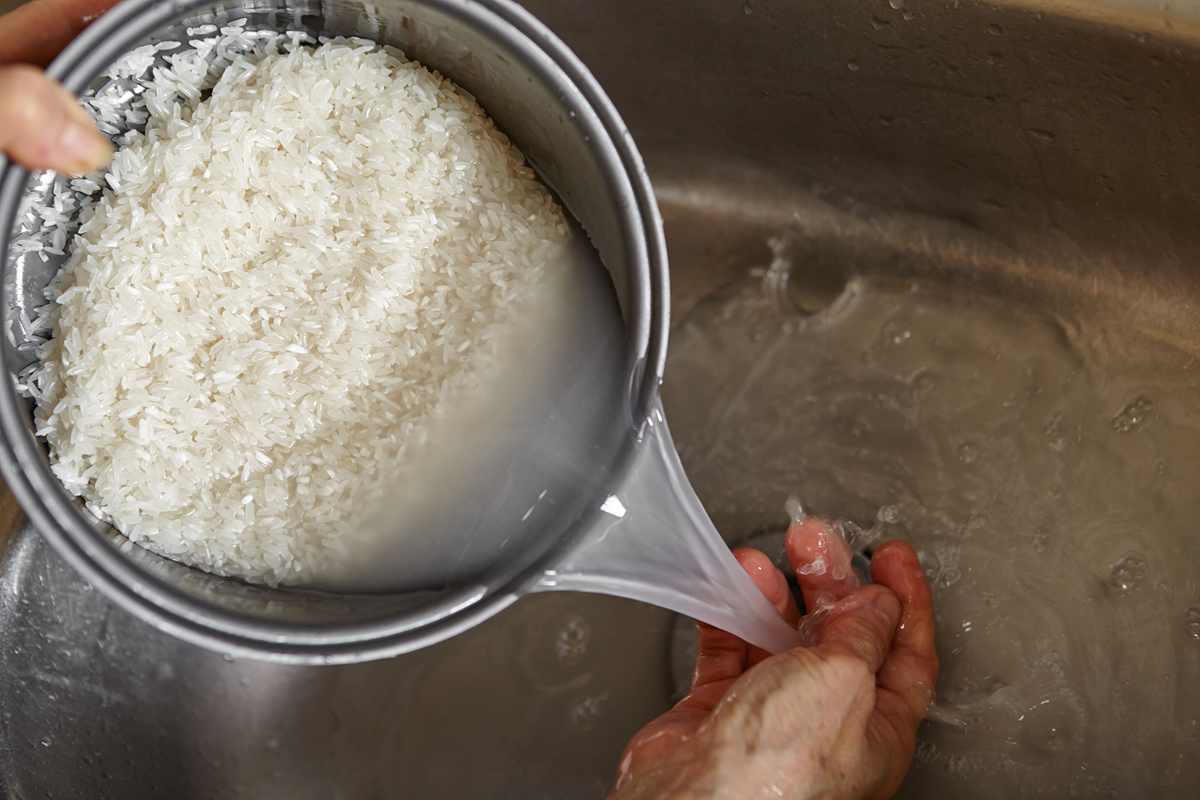
Rice Cleaning: Many people pour water in the rice and drain it immediately, while some people rub it repeatedly with such force that the texture of the rice changes.
The right way to wash rice before cooking
How To Wash Rice Properly Before Cooking: Washing rice before cooking is a daily part of most households. But do you really wash rice properly? Many people pour water over the rice and drain it immediately, while others scrub it repeatedly so vigorously that the rice's texture changes. Knowing the correct method of washing rice can not only remove dust and excess fines, but also maintain its texture after cooking.
Rice undergoes many processes from farm to package and then to our kitchens. During this process, it can acquire dust or other small particles. Furthermore, the friction between the rice grains in the package can cause fine starch powder to accumulate on their surface. If cooked without washing, the rice can become excessively sticky or heavy.
Should all types of rice be washed?
Generally, white, brown, long-grain, and short-grain rice can be washed before cooking. The primary purpose of washing rice is to remove surface dust, small debris, and excess fine particles. However, rinsing rice may slightly reduce some water-soluble nutrients, particularly some B vitamins. This effect may be more significant in fortified or vitamin-enriched rice. Therefore, there's no need to soak rice for extended periods or repeatedly scrub vigorously. Simply rinsing rice thoroughly is sufficient.
When washing rice, rinse until the water runs clear.
The easiest way to wash rice is to place it in a pot or large bowl and add enough water to submerge all the grains. Gently swirl the rice around with your hands. The water will immediately turn white and cloudy. Drain the water and add clean water. Repeat this process until the water appears significantly clearer than before. This doesn't mean the water must be crystal clear; it may be slightly cloudy depending on the variety of rice.
Why is hand washing easier?
While washing rice in a bowl, gently swishing the grains with your hand helps remove fine powder and residue from the surface of the rice and allow it to drain into the water. This also helps you understand how clean the rice is. Just be careful not to rub the grains too vigorously. Excessive rubbing can break the rice and remove excess starch. A few gentle swishes are sufficient.
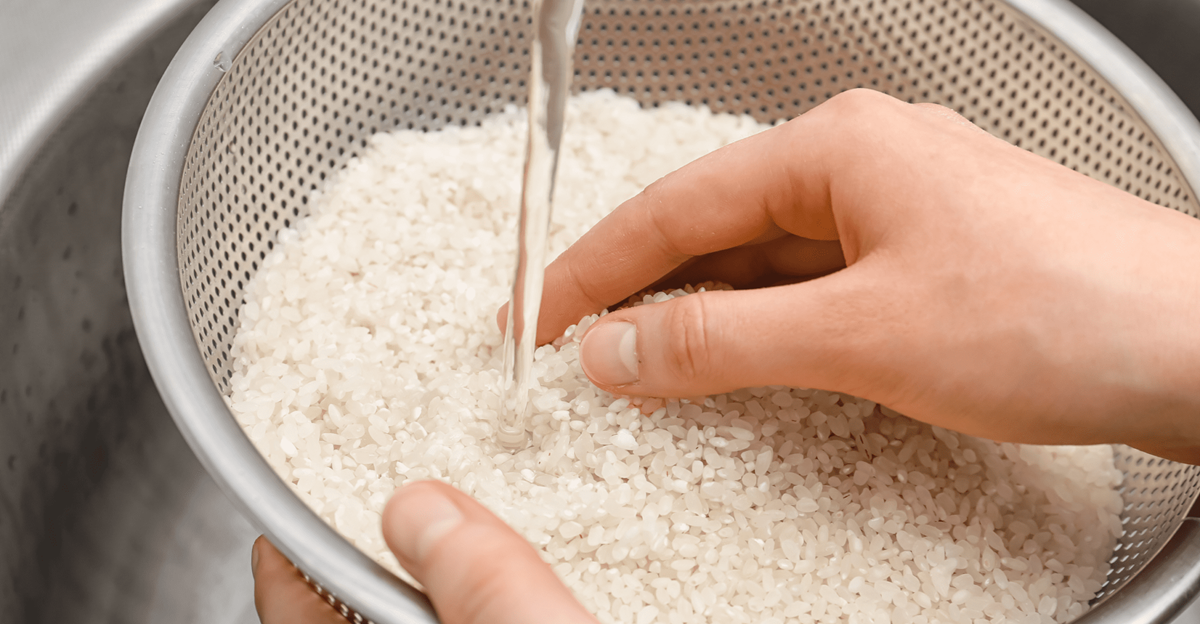
Rice can also be washed using a sieve.
If you prefer not to wash the rice in a bowl, you can use a fine-mesh sieve. Place the rice in the sieve and run normal or cold water over it. Continue rinsing until the water appears quite clear. If the clarity of the running water is difficult to judge, collect the water that drains down the sieve in a transparent glass. This will help you assess how cloudy the water remains.
Washing and soaking rice are not the same thing.
A common mistake is that people mistake washing and soaking rice for the same process. Both have different purposes. Washing rice primarily helps remove surface dirt, residue, and excess fine starch, while soaking is used to cook certain types of rice more quickly and evenly. Therefore, it's not necessary to soak rice for a long time just to wash it. If a specific recipe requires soaking, it can be done separately.
Does washing rice remove arsenic?
The presence of arsenic in rice is a separate issue. Simply washing rice normally does not significantly reduce arsenic levels. Therefore, washing rice should not be considered a complete solution. Cooking methods may play a more important role in this matter.
Avoid these mistakes
Simply pouring water over the rice and draining it immediately doesn't provide proper cleaning. There's no need to leave it under running water for long periods of time. Avoid vigorously scrubbing the grains and use clean water for rinsing. The easiest way is to place the rice in a bowl, add water, gently swirl it around with your hands, and drain the cloudy water. Repeat this process as needed. When the water appears fairly clear, the rice is ready to cook.