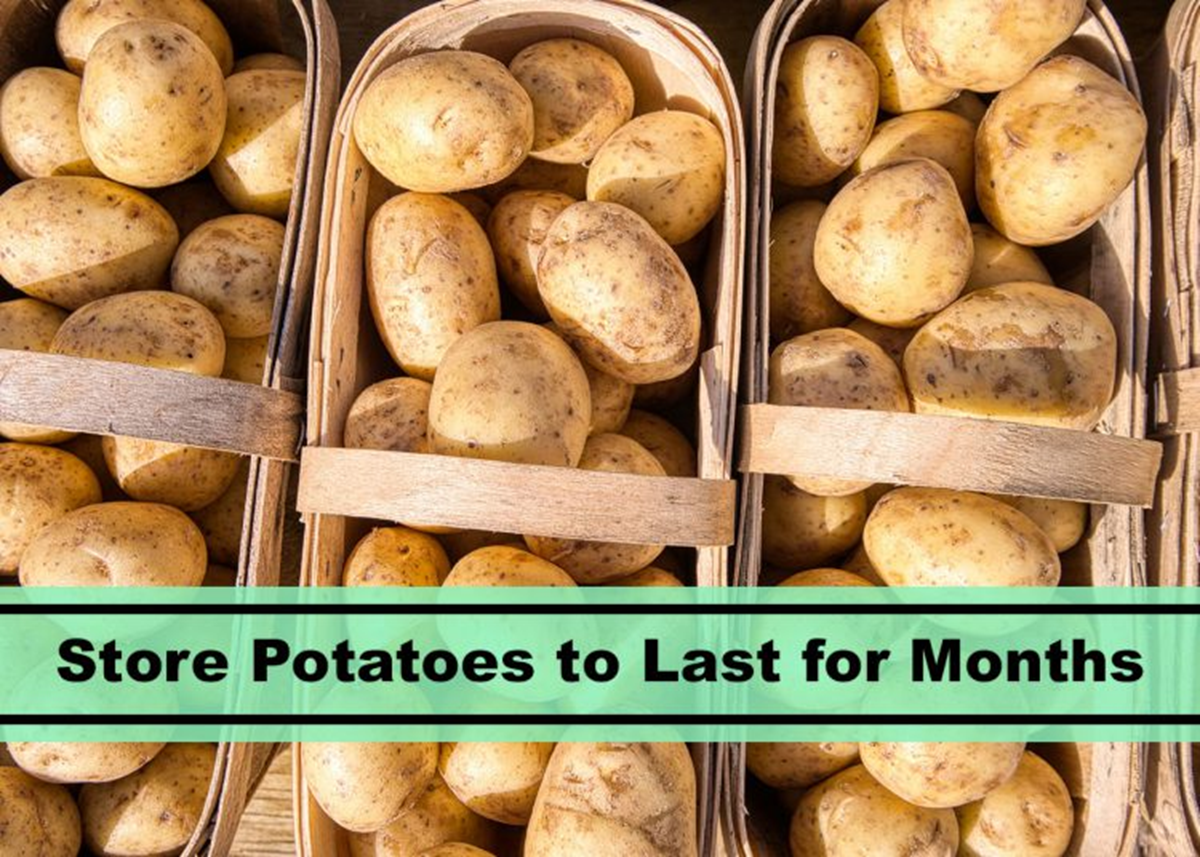
Storing Potatoes: Sometimes they're used as a vegetable, sometimes as parathas, tikkis, or French fries. This is why people often buy potatoes in bulk from the market.
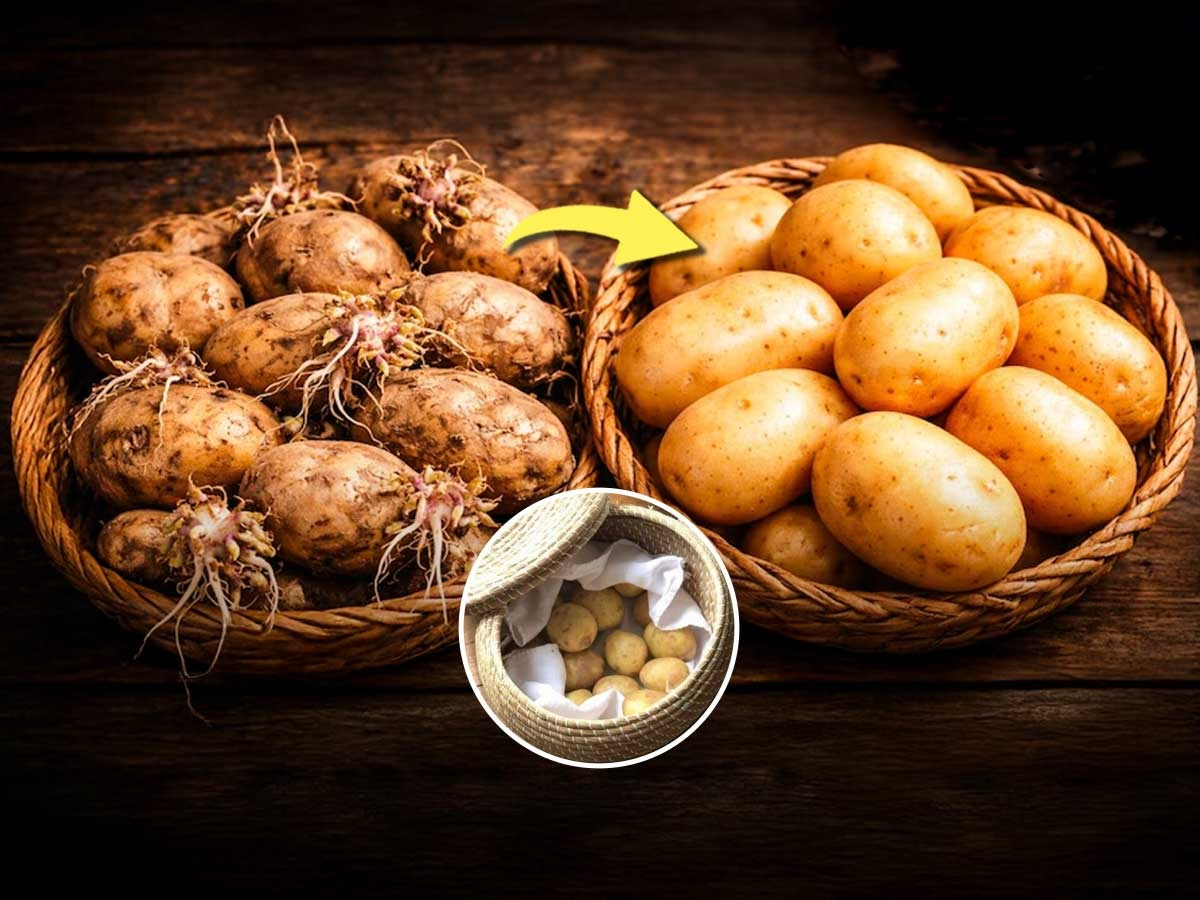
How to prevent potatoes from sprouting and spoiling
How to Store Potatoes to Prevent Sprouting: Potatoes are a vegetable used in almost every household. Sometimes it is made into a vegetable, and sometimes it is used to prepare parathas, tikkis or French fries. This is the reason why people buy a lot of potatoes from the market at once and store them, so that there is no need to buy them again and again. But sometimes, within a few days, small sprouts start appearing on the potatoes. Gradually, the potatoes start shrinking or their surface color also changes. In such a situation, it is difficult to understand where and how to store the potatoes to keep them fresh for a long time.
In fact, improper storage of potatoes can also be a reason for their early sprouting. Light, temperature, and humidity affect the freshness of potatoes. If you want to prevent your kitchen potatoes from spoiling quickly, you should keep a few important things in mind when storing them.
Choose the right place to store potatoes.
Potatoes should be stored in a place away from direct sunlight and with limited light. Storing potatoes in the kitchen near a stove, in front of a window, or in a warm area can quickly compromise their freshness. Exposure to light can also cause the surface of the potatoes to turn green. Choose a dark and cool place in your home. If you have a pantry or storage room, you can store potatoes there. Be careful not to store potatoes in areas where there is constant heat or humidity.
Keep the temperature in mind as well.
Storing potatoes in a place that's too warm can cause them to dry out and accelerate sprouting. Storing them at too low a temperature can also affect their quality. A temperature of about 7 to 10 degrees Celsius is considered optimal for storing potatoes. However, maintaining such a cool and stable temperature at home isn't always easy. Therefore, try to store potatoes in a cool, undisturbed area of the house where the temperature doesn't fluctuate frequently.
Avoid keeping potatoes in the fridge.
Refrigerating potatoes is not considered a good way to keep them fresh for a long time. The low temperature of the refrigerator can convert the starch in potatoes into sugar. This can affect the taste of the potatoes and can also cause them to darken in color when fried or cooked. Therefore, instead of storing raw potatoes in the refrigerator, store them in a cool, dark, and well-ventilated place. However, if the potatoes are peeled and cut, they can be stored in the refrigerator after immersing them completely in water. It is best to use them within 24 hours using this method.
Do not store potatoes in plastic bags.
Many people store potatoes in the same plastic bag after bringing them home from the market. However, a closed plastic bag can trap moisture, causing the potatoes to spoil faster. Use an open basket, mesh bag, or paper bag that allows air to circulate freely. This reduces the risk of moisture accumulation. Avoid washing potatoes before storing them, as any remaining water on the surface can increase the risk of spoilage. If necessary, wash them just before use.
Do not store potatoes with onions.
To save space in the kitchen, many people store potatoes and onions in the same basket. However, it's better to store them separately. The gases emitted by onions can promote sprouting in potatoes. Therefore, allocate separate storage spaces for potatoes and onions. Storing both in a dry and well-ventilated area can help maintain their quality.
Separate the bad potatoes in time
After storing potatoes, check them periodically. If any potatoes become soft, shrivelled, or smell rotten, separate them from the rest. Storing a damaged potato together can quickly infect neighbouring potatoes.
If a potato has small sprouts, be sure to check its condition before using it. Small sprouts and a few green areas can be removed by cutting them deep enough, provided the rest of the potato is firm and free of rot. However, if the potato has turned significantly green, has excessive sprouts, or has a bitter taste, it is not safe to eat. It is best to discard such potatoes.
What to do to keep potatoes fresh for a long time?
To prevent potatoes from sprouting too quickly, it's crucial to store them in a cool, dark, and well-ventilated area. Avoid storing them in a sealed plastic bag, storing them with onions, or leaving them in a humid area. Also, check the potatoes periodically to remove any that are damaged.