
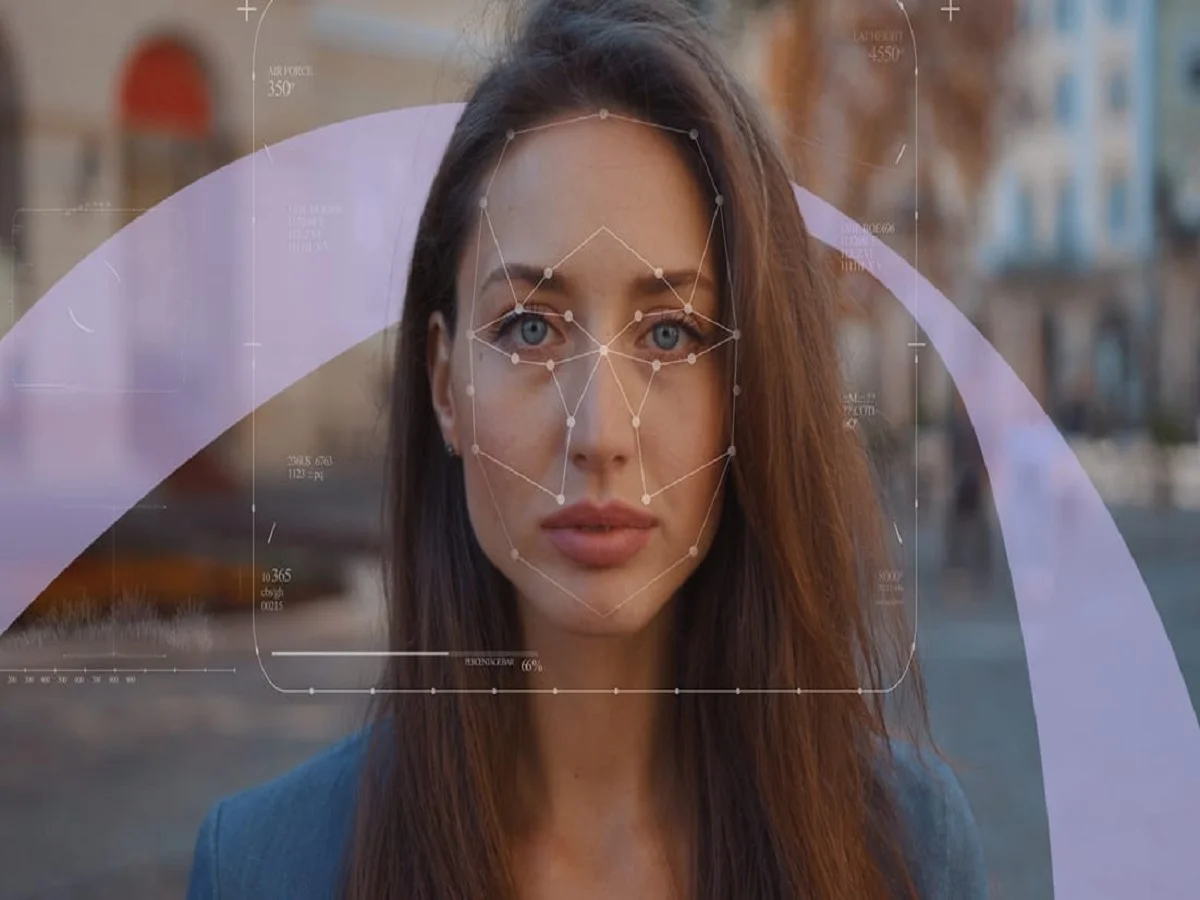
Artificial Intelligence (AI) is transforming the digital world at a rapid pace, but it has also introduced new challenges. One of the biggest concerns today is the rise of deepfake videos—AI-generated clips that can make people appear to say or do things they never actually said or did. As this technology becomes more advanced, distinguishing real content from manipulated footage is becoming increasingly difficult.
Deepfake videos are now widely shared across social media platforms, messaging apps, and websites. While some are created for entertainment, others can be used to spread misinformation, damage reputations, or mislead viewers. Understanding how to identify these videos is becoming an essential digital skill.
What Is a Deepfake Video?
A deepfake is a digitally altered video, image, or audio recording created using artificial intelligence and machine learning technologies. These tools can replace faces, mimic voices, and generate highly realistic content that appears authentic at first glance.
As AI tools become more sophisticated, deepfakes are becoming harder to detect. However, several visual and audio clues can still help viewers recognize manipulated content.
Check Whether Lip Movements Match the Audio
One of the most common signs of a deepfake is poor synchronization between speech and mouth movements. If a person's lips do not align naturally with the words being spoken, or if the timing feels slightly off, the video may have been digitally altered.
Pay close attention during close-up shots, where inconsistencies are often easier to notice.
Observe Facial Expressions Carefully
Authentic human expressions are usually smooth and natural. In many deepfake videos, facial movements can appear stiff, exaggerated, or unusually robotic. Smiles, eyebrow movements, and emotional reactions may not look completely genuine.
If expressions seem unnatural or disconnected from the conversation, it could indicate AI manipulation.
Watch for Unusual Eye Behavior
Eyes often reveal flaws in AI-generated content. Look for irregular blinking patterns, unnatural eye movements, or facial expressions that do not match the person's emotions.
In some deepfake videos, eye contact may appear strange, and the eyes may seem less detailed compared to the rest of the face.
Look for Blurred or Distorted Edges
Deepfake software sometimes struggles to perfectly blend facial features with the surrounding area. As a result, viewers may notice blurry edges around the face, hairline, ears, or neck.
Visual distortions, flickering effects, or sudden changes in facial contours can be warning signs of edited content.
Examine Lighting and Shadows
Natural videos typically have consistent lighting, reflections, and shadows throughout the frame. In manipulated videos, lighting may appear uneven, and shadows may not match the position of objects or facial features.
If reflections, skin tones, or background lighting seem inconsistent, the footage may not be genuine.
Don't Trust Viral Videos Automatically
A video gaining millions of views does not guarantee its authenticity. Deepfake content often spreads quickly because it is shocking, controversial, or emotionally engaging.
Before believing or sharing a viral clip, take time to verify the information through reliable sources.
Verify Information Through Trusted Sources
Fact-checking is one of the most effective defenses against misinformation. If a video appears suspicious, search for reports from reputable news organizations, official statements, or verified social media accounts.
Cross-checking information can help determine whether the content is real or manipulated.
Stay Alert in the AI Era
As AI technology continues to evolve, deepfake videos are likely to become even more convincing. While technology companies and researchers are developing advanced detection tools, individual awareness remains crucial.
By paying attention to facial expressions, lip synchronization, eye movements, lighting consistency, and trusted verification sources, viewers can significantly reduce the risk of being misled by fake content.
Developing these habits can help people navigate the digital world more safely and make informed decisions before believing or sharing online videos.