
LIFESTYLE
How to Make Puffed Poori: Puris not puffing up? Are you making this mistake while rolling them?
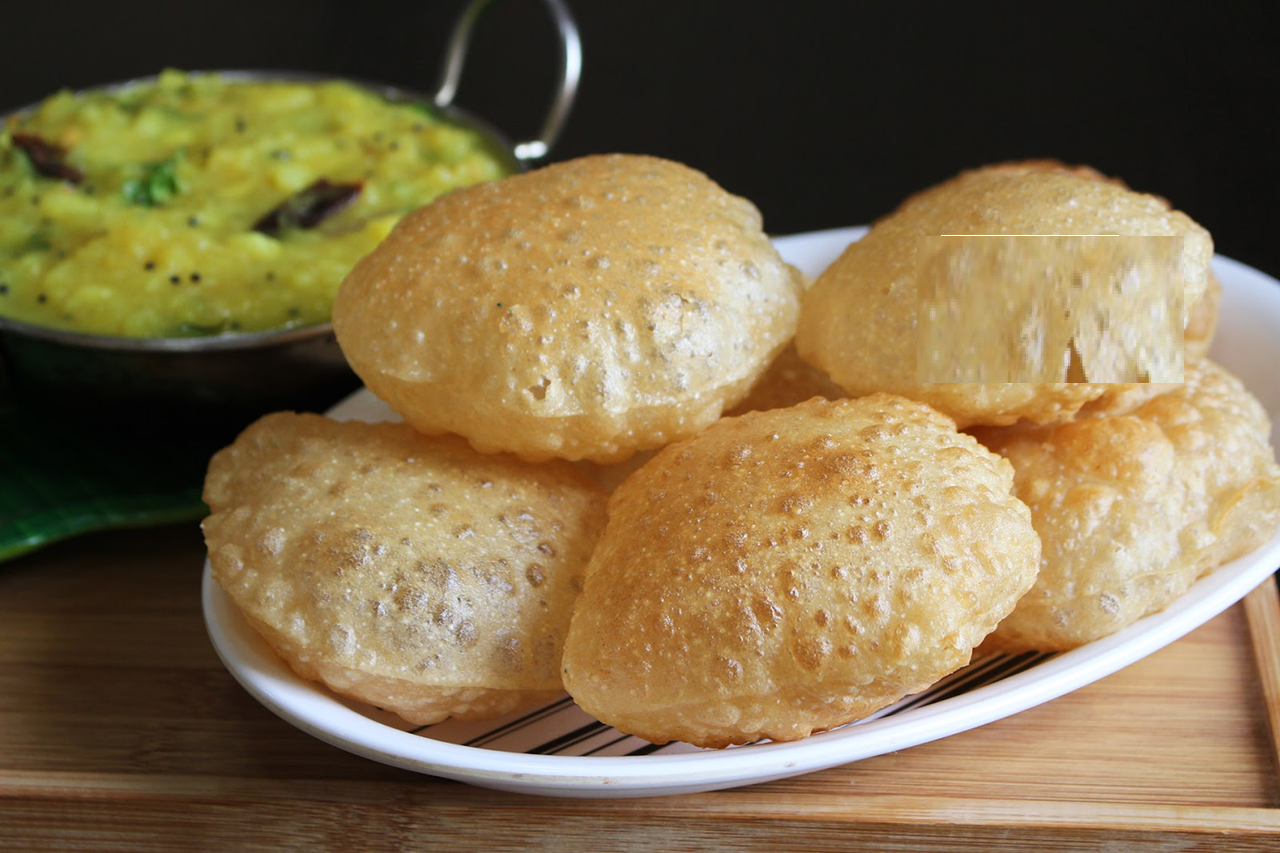
Poori Rolling Mistakes: Hot, puffed puris enhance the flavor of everything from curries to kheer and halwa. However, instead of puffing up, the puris remain flat once they are placed in the pan.
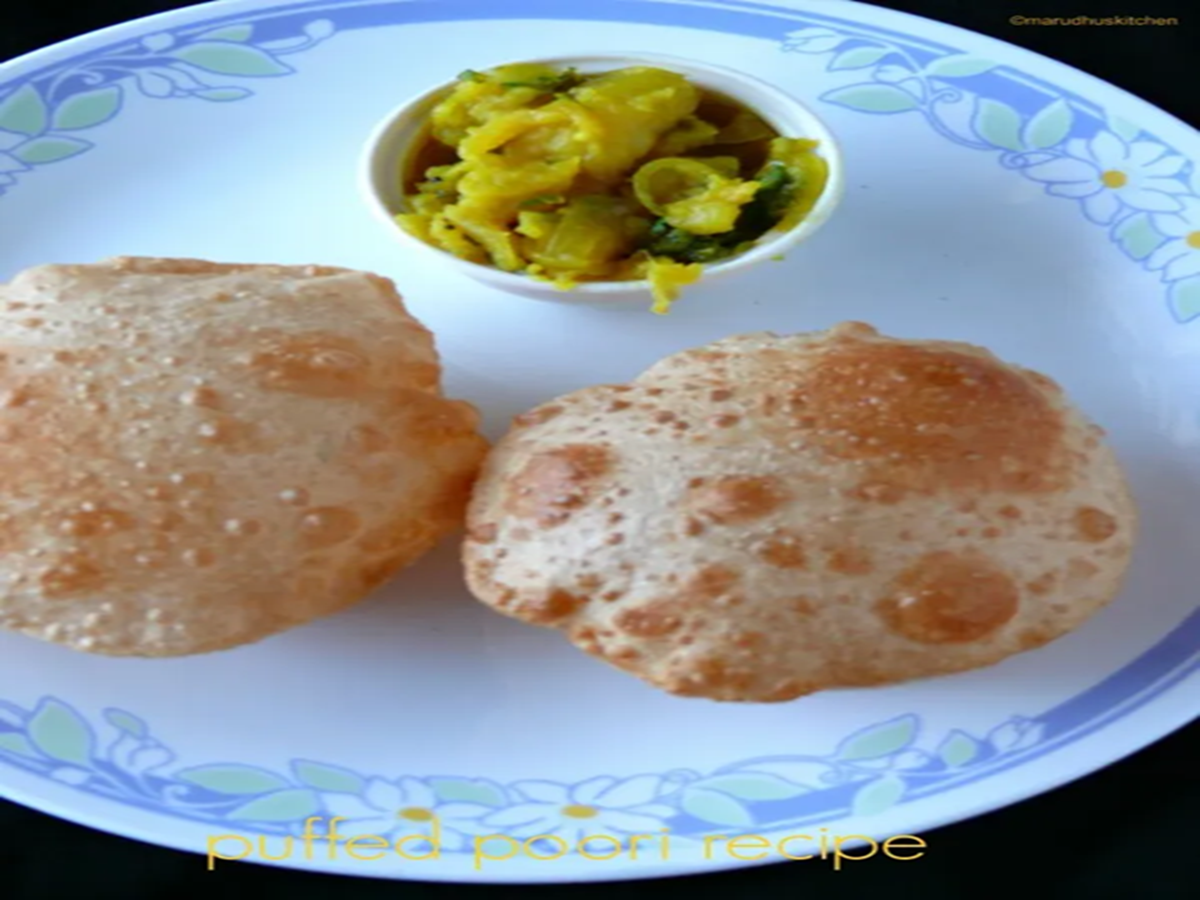
Easy Tips to Make Puffy Puri
How To Make Fluffy Poori At Home: If hot puffed puris are made at home, then the taste of everything from vegetables to kheer and halwa increases. But many times, despite all the preparations being right, the puris remain flat as soon as they are put in the pan instead of puffing up. Some puris puff up from one side and remain thick from the other. At the same time, many times the puri absorbs too much oil after frying. In such a situation, people often think that there must have been some mistake in kneading the dough, whereas the problem could also be in the way the puri is rolled.
Making fluffy and delicious puris requires careful attention to many details, from kneading the dough to rolling it out and the temperature of the oil. In particular, if the puris are not the right thickness, they won't puff up properly in the pan. If this happens to you often, keep these things in mind the next time you make puris.
Do not roll the puris too thin
One of the most common mistakes when rolling out puris is rolling them too thin, like a roti. Many people think that thinner puris will be crispier, but rolling them too thin can cause problems with the puris puffing up. When rolling, try to ensure the puris are neither too thin nor too thick. The most important thing is to keep the thickness approximately equal all the way around. If the center is thin and the edges are thick, or if you roll them with too much pressure on one side, the puris will not puff up evenly when fried.
Do not apply too much pressure on one side while rolling.
When trying to make a Puri round, the rolling pin often exerts too much pressure on one part. The Puri may appear perfectly round, but its thickness isn't the same all around. This small error becomes apparent once it's placed in the pan. Roll the Puri with light and even pressure. Move the rolling pin from the center toward the edges, rotating the Puri slightly. This will keep the shape round and make it easier to maintain a consistent thickness.
Avoid using too much dry dough
It's common to use dry flour when rolling out rotis, but this is not advisable for puris. Using too much dry flour can cause the dough to fall into the oil during frying and burn. This can also cause the oil to spoil quickly. If the dough is kneaded correctly, you shouldn't need too much dry flour when rolling out the puris. If needed, you can lightly oil the rolling pin and surface. This will prevent the dough from sticking and make the puris easier to roll.
Are you kneading the dough too soft?
Not only the method of rolling, but the consistency of the dough also plays an important role in the puffiness of the puri. It's better to keep the dough for puris a little stiffer than for roti. If the dough is too soft, the puris may spread too much while rolling and may have trouble puffing up properly when frying. Instead of adding water all at once, add it little by little and knead the dough thoroughly. The moisture in the dough should be evenly distributed. After kneading, it can be kept covered for some time so that the dough sets and the puris become easier to roll out.
Do not leave the roll open for too long.
If you roll out all the puris first and then start frying them, avoid leaving them open. Prolonged exposure to air can dry out the top surface. This can affect the puffiness of the puris during frying. If rolling multiple puris at once, cover them with a clean cloth. A better approach is to roll out a few puris as needed and fry them as you go.
Oil temperature is also important.
You've kneaded the dough correctly and rolled out the puris to an even thickness, but if the oil isn't hot enough, all your hard work can go to waste. Putting the puris in underheated oil can cause them to absorb more oil and take longer to rise. The oil should be thoroughly heated before adding the puris. However, it shouldn't be so hot that the outside of the puris starts burning. To test the oil's temperature, drop a small piece of dough in. If it rises slowly after sinking, let the oil heat up a little more.
Press lightly as you put it in the pan.
After placing the puri in hot oil, gently pressing it upwards with a ladle can help it puff up. Once the puri puffs up, flip it over and fry the other side. Avoid adding too many puris to the pan at once, as this can suddenly lower the oil temperature. Next time your puri doesn't puff up, instead of blaming the dough, consider the rolling method. Small things like keeping the puri's thickness even on all sides, avoiding overly dry flour, not kneading the dough too softly, and frying it in the right amount of oil can make a big difference. If these are kept in mind, round and well-puffed puris can be made at home.