LIFESTYLE
Hospitals are playing with patients' lives, with 77% dying from infections within 30 days.
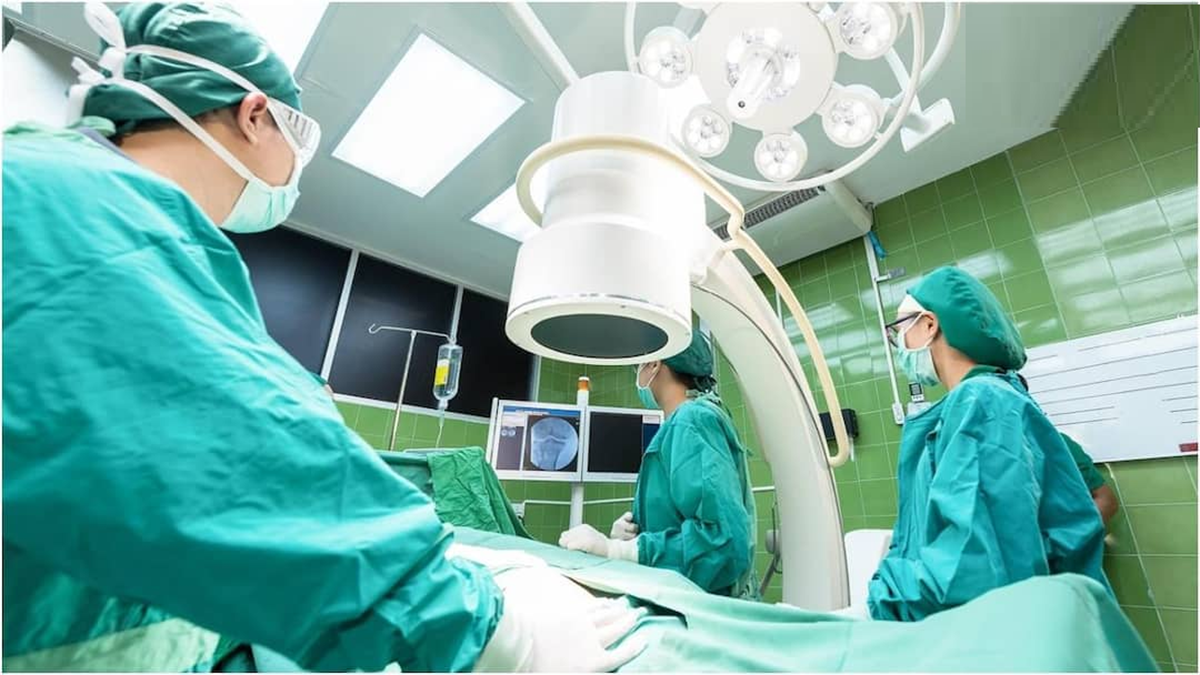
Acinetobacter baumannii was found in the blood of 154 patients at a private hospital in Karnataka. This bacterium reduces the effectiveness of antibiotics, leading to worsening of patients' conditions.

Death due to infection in hospital
Patients admitted to hospitals expect to recover through treatment, but if they develop a dangerous bacterial infection at the same time, their problems worsen. A study conducted at a private hospital in Karnataka revealed a shocking case. Conducted between July 2021 and December 2023, the study found a bacterium called Acinetobacter baumannii in the blood of 154 patients. This bacterium is resistant to many antibiotics. Consequently, the drugs had no effect on the patients, and instead, their condition worsened. 77% of patients died within 30 days.
What is Acinetobacter baumannii?
Acinetobacter baumannii is a bacterium known to cause infections in hospitals. It is especially dangerous for patients with pre-existing conditions or those admitted to the ICU. This bacterium causes infections in the lungs, blood, and other parts of the body. A major concern is that some strains are resistant to many antibiotics, making treatment difficult. Therefore, it is important for doctors to choose a medication based on the specific infection after a proper diagnosis.
The first seven days are also dangerous.
Of the 154 patients included in the study, 118 died within 30 days of infection. This represents approximately 76.6 percent of the total. According to the report, 57.1 percent of patients died within the first seven days of infection. Furthermore, more than half of the patients developed lung infections, while approximately 29 percent of cases were associated with intravenous catheter infections. A catheter is a thin tube used to administer medication or fluids to a patient, and in some cases, to remove blood.
Why is cleanliness and safety important?
Cleanliness, hand hygiene, and proper cleaning of medical equipment are essential to prevent infection in hospitals. Patients in the ICU and those on ventilators are at higher risk of infection. Therefore, doctors and hospital staff should follow infection prevention protocols. Regular cleaning of equipment used in patient care should be ensured.