FOOD & RECIPE
Homemade Mango Ice Cream: To make perfect mango ice cream at home, first know which mango will give the creamiest taste?
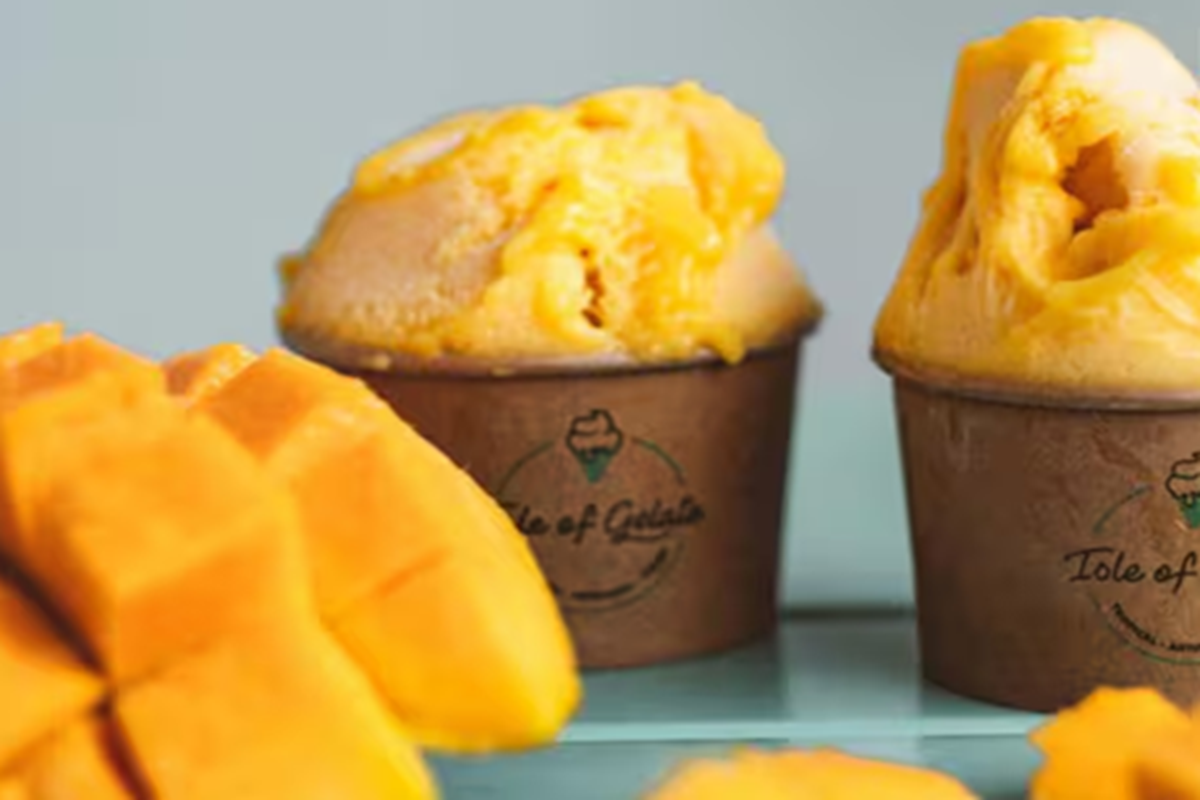
Homemade Mango Ice Cream: Want to make the perfect mango ice cream at home? Learn which mangoes offer the creamiest texture, how to choose the right fruit, and these easy tips to ensure every scoop is bursting with flavor and aroma.
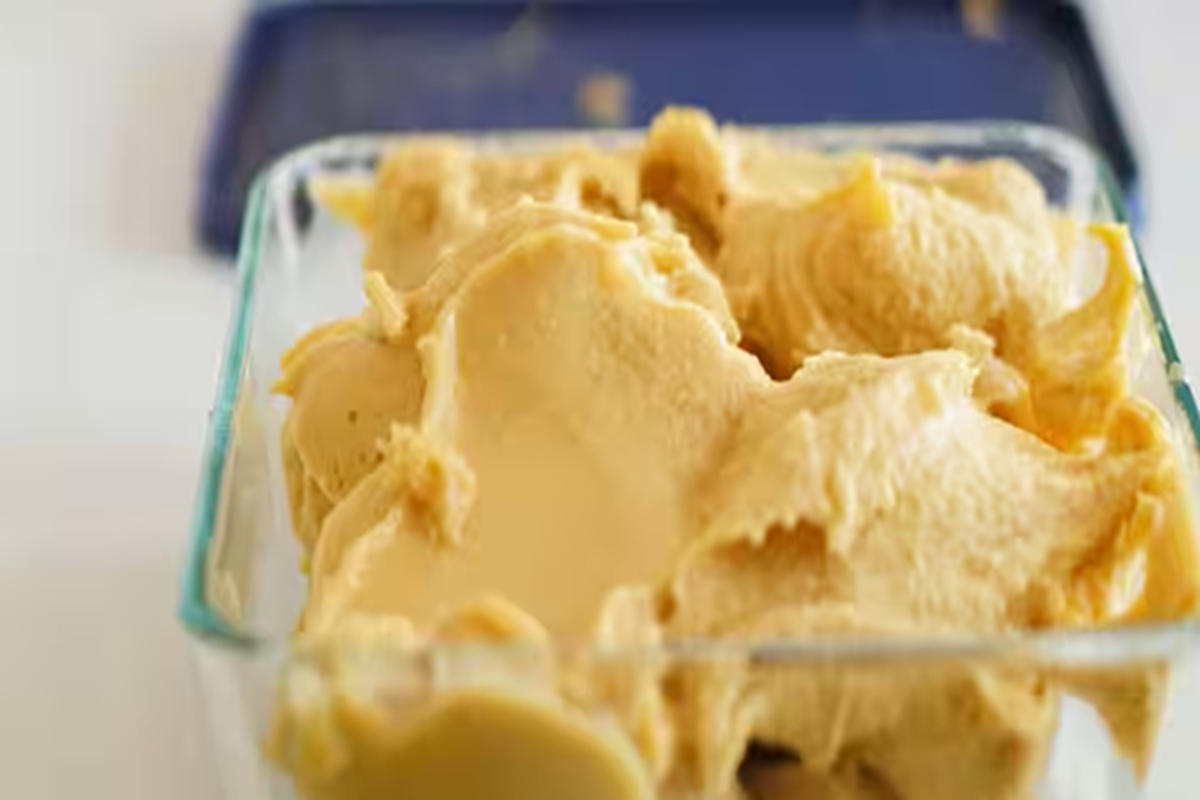
Summer and mangoes are a mouth-watering experience. Whether eaten raw, made into a shake, or ice cream, their flavor wins hearts in every form. Homemade mango ice cream is especially special. It not only has the aroma of fresh mangoes, but also delivers the authentic summer flavor in every scoop. But sometimes, even after all the effort, the ice cream doesn't turn out as creamy and delicious as we'd like. Choosing the wrong mango can be the biggest reason.
1 /7
When making ice cream, most people only look to see if the mango is ripe, but not every mango is suitable for ice cream. Different varieties of mango vary in sweetness, juiciness, and fiber. Some mangoes are easily pureed, creating a smooth ice cream, while others may have too much fiber, which can ruin the texture of the ice cream. Therefore, choosing the right mango is a crucial step if you want to make restaurant-style mango ice cream at home.
2 /7
According to experts, mangoes like Alphonso, Kesar, and Badami are considered the best for ice cream. These mangoes are rich in natural sweetness and have a smooth pulp. This is why ice cream made from them doesn't require a lot of sugar. They also have a pleasant aroma, which enhances the taste of the ice cream. A sweet and flavorful mango will make your ice cream equally delicious.
3 /7
When buying mangoes, pay attention to their aroma. Ripe mangoes will have a sweet and refreshing scent near the stem. This indicates that they are fully ripe. You can also test the mango by gently pressing it. If it feels slightly soft, it's ready to use. Overly soft mangoes can spoil the taste, while unripe mangoes can add a slight sourness to ice cream.
4 /7
The color of the ice cream also depends largely on the mango. Therefore, it's best to prefer mangoes with deep yellow or orange flesh. These mangoes give the ice cream an attractive appearance without any artificial colors. Their flavor is also deeper and more natural. This is why ice cream made from richly colored mangoes tastes better both visually and tastes better.
5 /7
Choosing the right mango isn't enough; using it correctly is also crucial. Chill the mango pulp thoroughly before making ice cream. Chilled pulp mixes easily with cream or milk and helps the mixture set evenly. Also, blend the puree until it's completely smooth. This reduces the chance of ice crystals forming and results in a creamier ice cream.
6 /7
If you want to make the flavor a little more special, you can add a dash of cardamom or a little saffron. This enhances the flavor of the ice cream, but be careful not to overdo it, as it can overpower the authentic mango flavor. Also, avoid adding too much water to the mixture, as this can cause ice to form in the ice cream and ruin its creamy texture.
7 /7
Finally, always store ice cream in an airtight container and remove it from the freezer for a few minutes before serving. This softens the ice cream slightly and improves both its taste and texture. Overall, if you choose the right mango and keep a few simple tips in mind, each scoop of homemade mango ice cream can rival the best in the market.