
LIFESTYLE
High Protein Diet: Is a high-protein diet really beneficial, or is it overhyped? Know the truth.
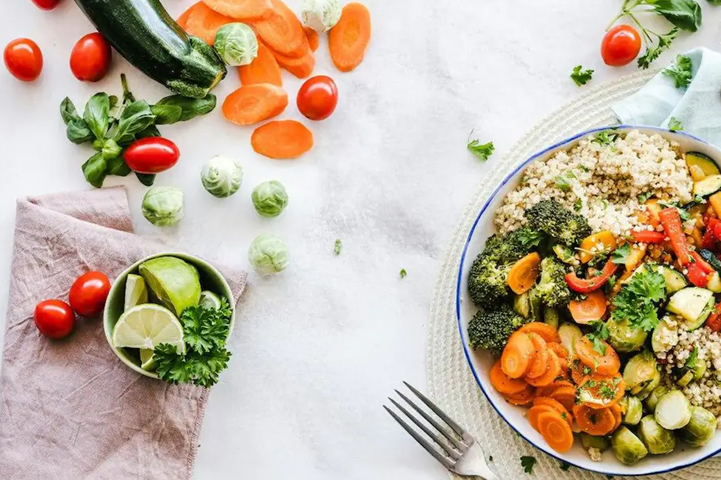
Balanced Diet and Protein: Protein is one of the most essential nutrients for our bodies. However, the question arises as to how much protein is right for you and how much protein is harmful.
High Protein Diet
Is a High-Protein Diet Safe? Protein is no longer just confined to the gym; it's a part of everyday cooking. Open social media, visit the supermarket, or peruse a cafe menu; you'll see "high-protein" written all over the place. Shakes, snack bars, flour, cereal… everything promises extra protein. The message is clear: eat more protein, lose weight, build muscle, and stay full longer. But nutrition science doesn't boil down to such simple rules.
Protein is essential for the body. It repairs tissue, strengthens muscles, helps produce hormones and enzymes, and supports the immune system. The body breaks it down into amino acids, which are used in many vital processes. The question is: is it really necessary to add double the protein to every meal, or is this trend overblown? Let's find out what the experts have to say.
What do experts say?
HOD Kalpana Gupta told TOI that protein needs depend on age, gender, physical activity, and metabolic status. ICMR guidelines state that Indian diets are often low in protein and high in grains, so it's important to increase protein in a balanced manner. Sources like milk, yogurt, cheese, eggs, lentils, and chicken are good options. Some research suggests that consuming more protein along with exercise may help with weight loss and blood sugar control, especially in people with type 2 diabetes. Plant-based proteins like lentils, beans, and soy are also considered beneficial for heart health. However, concrete evidence of the beneficial effects of excessive protein intake is limited.
It can put pressure on the kidneys
Too much protein can put pressure on the kidneys, especially in people with pre-existing kidney problems. Consuming too much protein can also lead to a deficiency in fiber and other nutrients, which can increase digestive problems. Taking supplements or protein powders without consulting a doctor is also not advisable. People who regularly exercise vigorously or are older may need more protein. Generally, 0.8 to 1.2 grams per kilogram of body weight is considered sufficient. Kalpana Gupta suggests adding a protein source to every meal, such as milk or eggs for breakfast, and lentils, yogurt, or chicken for lunch or dinner. Additionally, replace biscuits with nuts or roasted chickpeas.