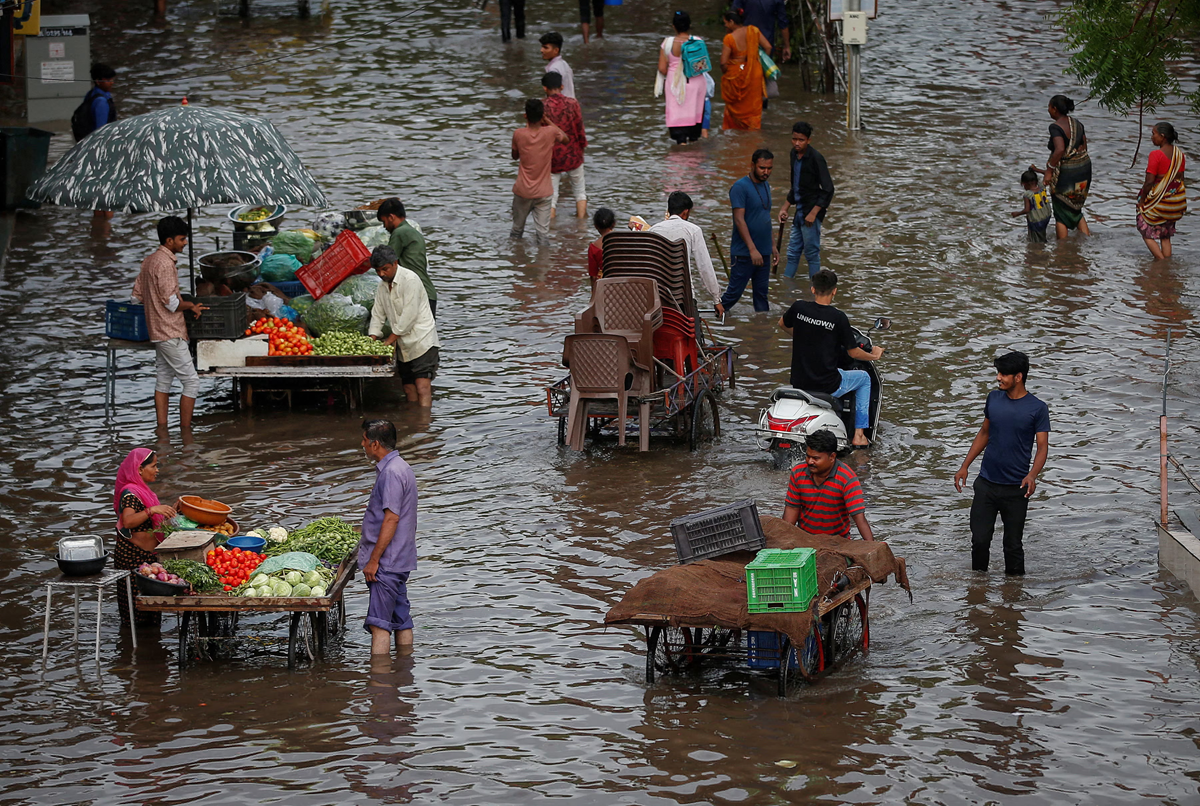
Monsoon Health Tips: The arrival of the monsoon brings welcome relief from the summer heat, and many people enjoy walking or playing in the rain. However, prolonged exposure to rainwater and staying in wet clothes for extended periods may increase the risk of certain health problems. While rain itself does not directly cause illness, the conditions associated with getting drenched—such as exposure to contaminants, damp clothing, and changes in body temperature—can contribute to infections and other health concerns.
Health experts recommend taking a few simple precautions to stay safe during the rainy season, especially for children, older adults, and people with weakened immune systems.
Rainwater May Not Always Be Clean
Although rainwater appears fresh, it can pick up dust, pollutants, bacteria, and other microorganisms from the atmosphere before reaching the ground.
In urban areas, rainwater may also come into contact with contaminated surfaces, increasing the possibility of exposure to germs and environmental pollutants.
For this reason, it is advisable to avoid prolonged exposure to rainwater whenever possible.
1. Increased Risk of Skin Problems
Remaining in wet clothes for a long time creates a warm and moist environment that encourages the growth of fungi and bacteria.
This may increase the likelihood of:
- Skin irritation
- Itching
- Allergic reactions
- Fungal infections
- Rashes
Changing into clean, dry clothing soon after returning indoors can help reduce these risks.
2. Higher Chance of Cold and Viral Infections
Rain itself does not directly cause the common cold, which is usually caused by viruses. However, prolonged exposure to cold and damp conditions may lower the body's comfort level and, in some situations, make individuals more susceptible to respiratory infections.
Some people may experience:
- Runny nose
- Sore throat
- Cough
- Fever
If symptoms persist or worsen, medical advice should be sought.
3. Eye and Ear Infections
Contaminated rainwater entering the eyes or ears may increase the risk of irritation or infection.
Possible symptoms include:
- Redness of the eyes
- Eye irritation or watering
- Ear discomfort
- Ear pain
- Temporary itching
Avoid rubbing your eyes with unclean hands after being in the rain, and gently dry your ears if they become wet.
4. Greater Risk for Vulnerable Individuals
Certain groups are more likely to develop health problems after prolonged exposure to rain.
These include:
- Young children
- Older adults
- People with weakened immune systems
- Individuals with chronic illnesses
Extra care should be taken to keep these individuals warm and dry during the monsoon season.
5. Change Into Dry Clothes Immediately
One of the simplest ways to reduce the risk of illness after getting drenched is to remove wet clothing promptly.
Health experts recommend:
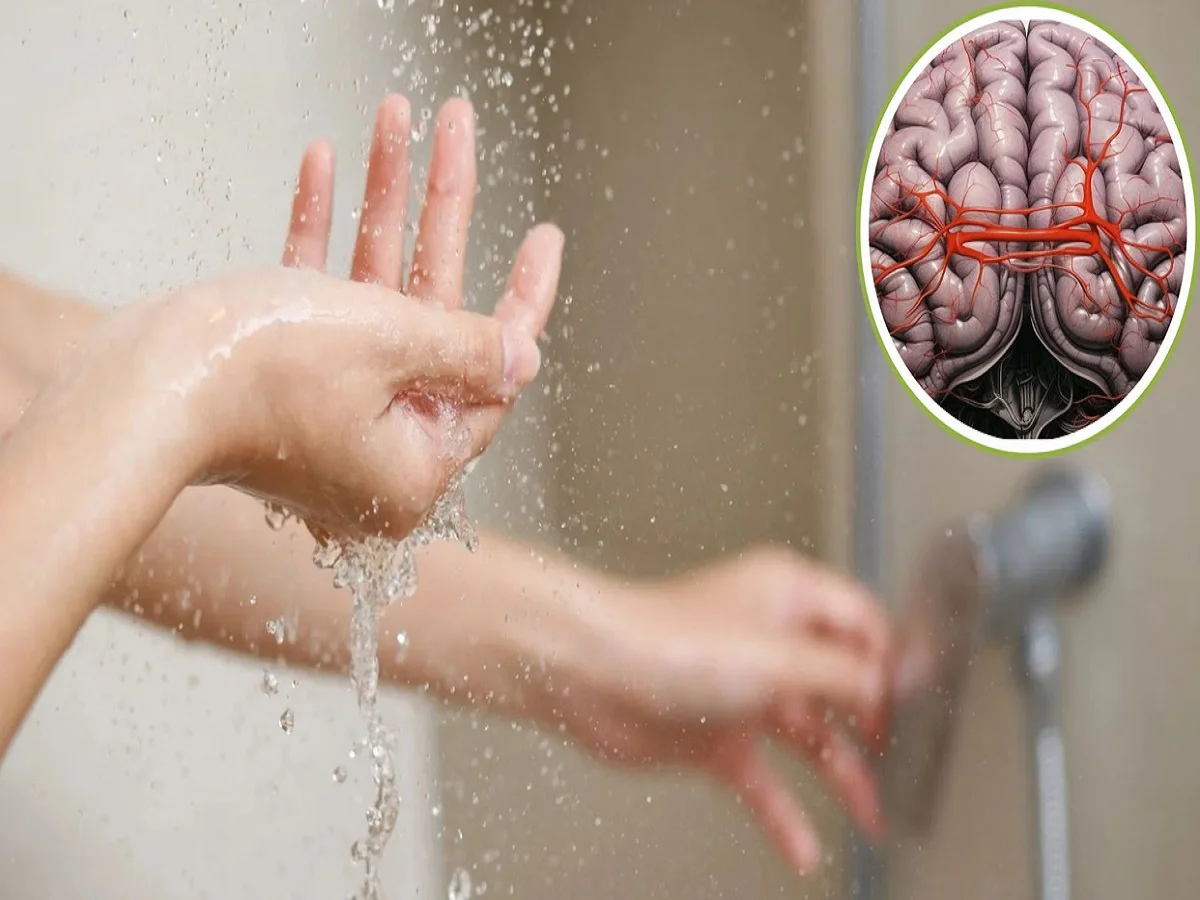
- Taking a shower with clean water after returning home.
- Drying the body thoroughly.
- Wearing clean, dry clothes.
- Keeping feet dry to reduce the risk of fungal infections.
These simple measures can help maintain hygiene and lower the chances of infection.
6. Don't Ignore Warning Signs
Seek medical attention if you experience any of the following after being exposed to rain:
- Persistent fever
- Severe skin rash or itching
- Eye redness or pain
- Ear pain or discharge
- Difficulty breathing
- Symptoms that continue for several days
Early medical evaluation can help prevent complications and ensure appropriate treatment.
Stay Safe During the Monsoon
The rainy season offers pleasant weather and enjoyable outdoor experiences, but it is also important to take basic health precautions. While getting caught in the rain occasionally is unlikely to cause serious illness on its own, prolonged exposure, poor hygiene, and remaining in wet clothes can increase the risk of infections.
By drying off promptly, maintaining personal hygiene, wearing clean clothes, and seeking medical advice when necessary, you can enjoy the monsoon while reducing the risk of seasonal health problems.