
LIFESTYLE
Hantavirus Infection: Do you have rats in your house? What do doctors say about the deadly 'Hantavirus'?
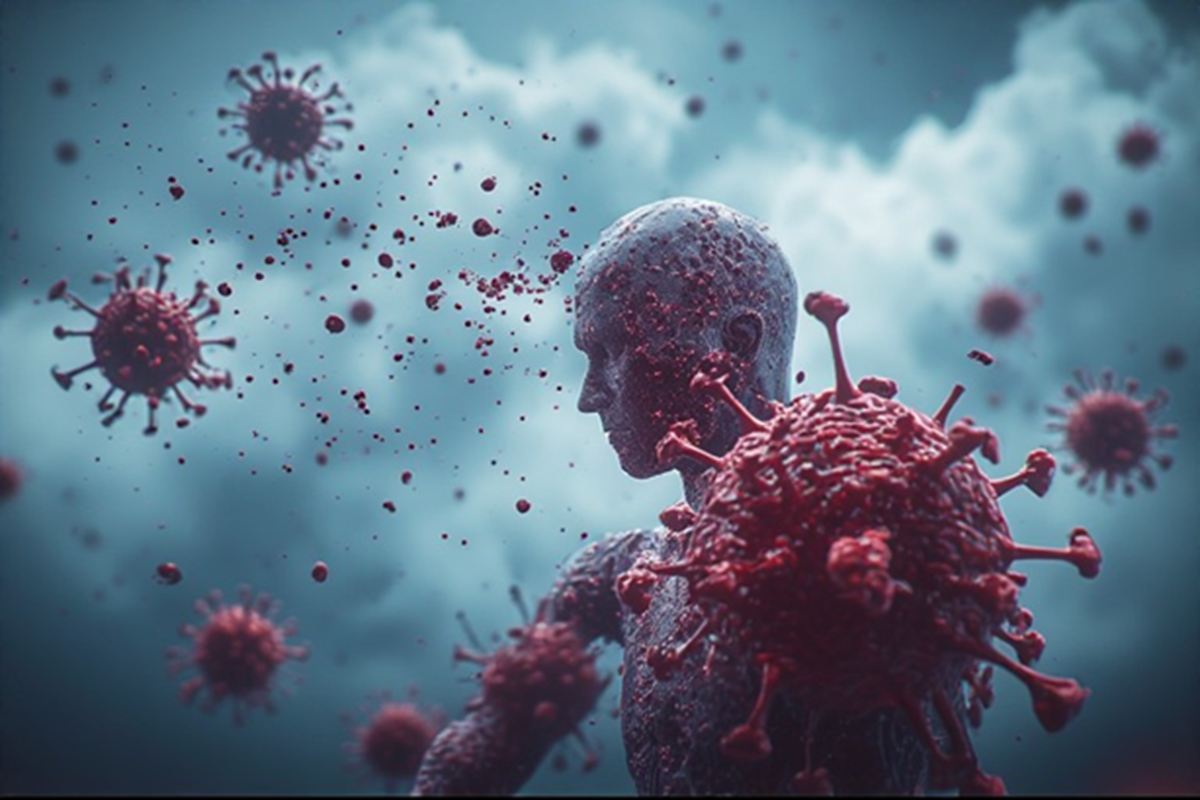
Dust-Borne Infection: Hantavirus is not new. Cases have been reported in various countries for decades, but for most of this time, the disease remained out of public discussion.
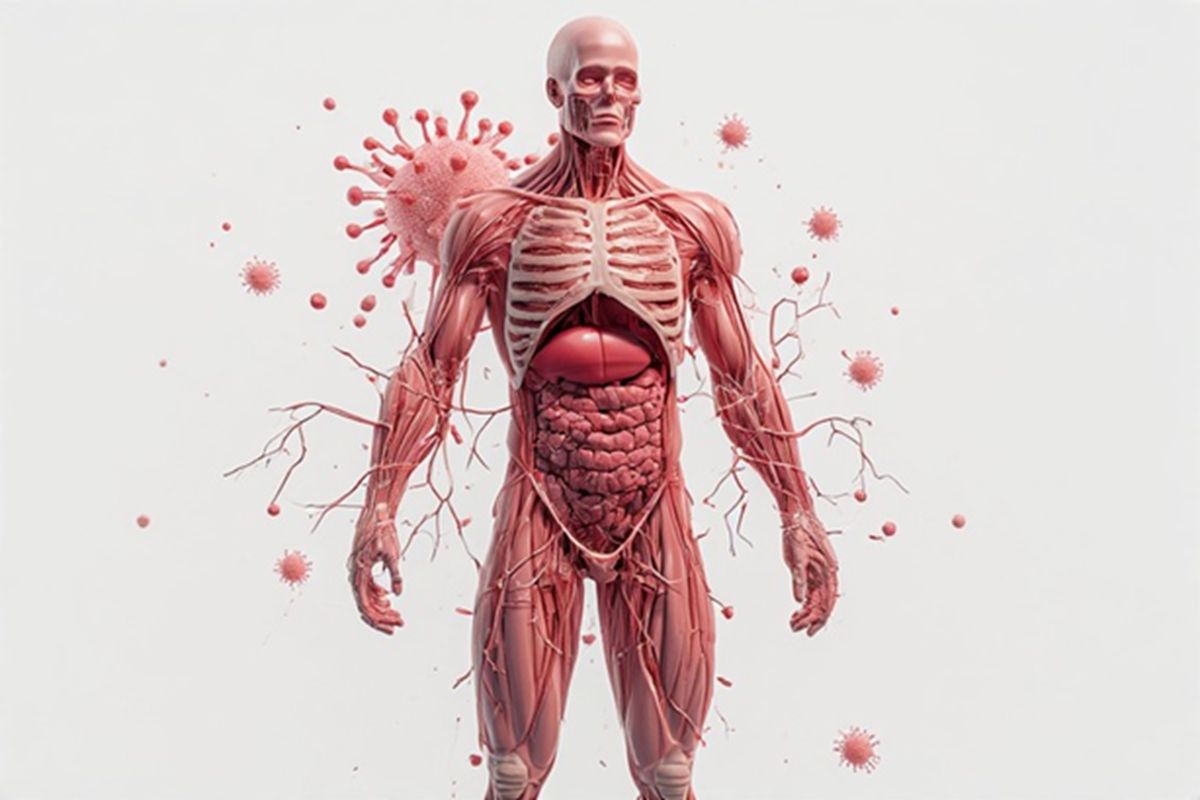
Can Hantavirus spread to humans?
Can Hantavirus Spread From Person to Person? Recently, a rare infection has raised concern worldwide. The disease has returned to the spotlight after the deaths of several people on a ship. Investigations revealed that the infection is linked to a specific type of virus called Hantavirus, which spreads through rodents. While experts believe that the risk to the general public is low, carelessness is not considered appropriate.
How does this disease spread?
This infection isn't new. Cases have been reported in various countries for decades, but for most of this time, the disease remained out of the public eye. Now that cases are increasing, people are eager to learn more about it. The disease is primarily spread through rat feces, urine, and saliva. When cleaning closed rooms, warehouses, or dusty areas, airborne infection particles can be inhaled. This is why the risk increases when cleaning homes or storerooms that have been closed for long periods.
What do experts say?
Senior Hyderabad doctor K.C. Mishra told TOI that the biggest misconception among people is that the disease spreads rapidly from person to person like a common fever. However, in most cases, this is not the case. He says the real danger comes from an infected environment, not from sitting near an infected person. According to Bengaluru-based infectious disease expert Subramanian Swaminathan, many people believe that the disease is limited to forests or remote areas, but the truth is that any place where rats are present can be a risk, whether it's a home's storeroom, an old warehouse, or a room that has been closed for a long time.
What are the symptoms of this disease?
This disease begins with very mild symptoms: high fever, body aches, weakness, and fatigue, which initially seem like a simple viral infection. This is why many people don't take it seriously. However, in some cases, serious conditions can develop, including sudden breathing difficulties, fluid accumulation in the lungs, and damage to vital organs. Experts say that there is currently no specific treatment or vaccine for this infection. Therefore, timely hospitalization and proper care are considered paramount. Early treatment significantly increases a patient's chances of survival.