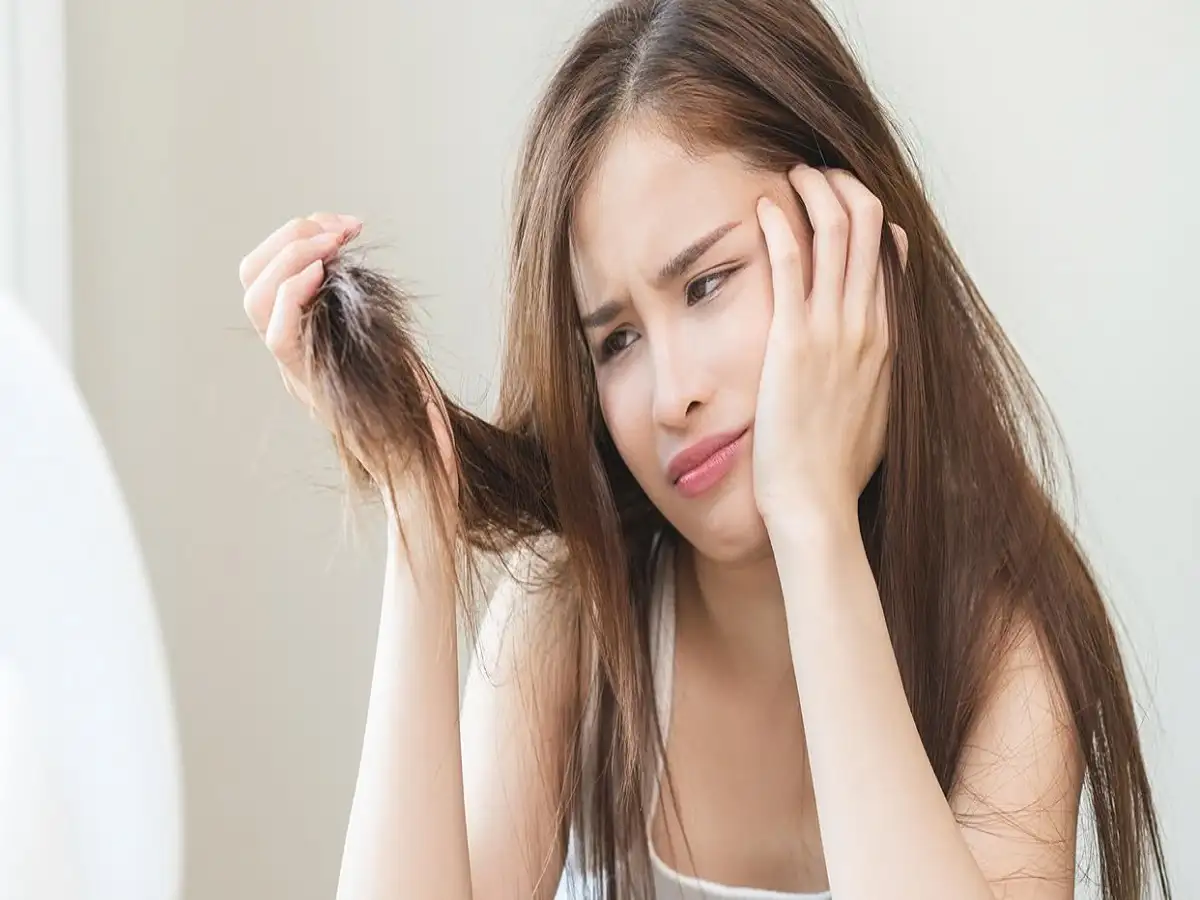
Hair Care Tips: Healthy, shiny and manageable hair is something many people want, but achieving it requires more than washing your hair regularly or buying expensive products. The shampoo you use plays an important role in keeping your scalp clean and maintaining the condition of your hair.
Despite following a regular hair-washing routine, many people experience dryness, excessive oiliness, dandruff, frizz and hair breakage. Some respond by frequently switching shampoos, while others purchase products based on advertisements, attractive packaging or promises of rapid hair growth.
However, choosing the right shampoo is not simply about selecting a popular brand or finding a product with the longest list of natural ingredients.
Different hair and scalp types require different cleansing and conditioning approaches. Understanding what your scalp needs can help you make better decisions and avoid products that leave your hair feeling uncomfortable or difficult to manage.
Here are five important things to consider before purchasing your next shampoo.
1. Don't Assume More Ingredients Mean Better Hair Care
Many shampoo advertisements highlight long lists of botanical extracts, vitamins, oils and other ingredients to attract customers.
However, the number of ingredients in a shampoo does not determine its quality or effectiveness.
Each component serves a particular purpose. Cleansing agents help remove excess oil, sweat and dirt, while conditioning ingredients can improve softness and reduce friction between hair strands.
Preservatives help maintain product safety during storage and use, while fragrances contribute to the product's scent.
A shampoo containing several herbal extracts is not necessarily more effective than a simpler formulation.
Similarly, ingredients with unfamiliar chemical names are not automatically harmful.
The overall formulation, ingredient concentrations, individual tolerance and intended use matter more than marketing claims.
Consumers should focus on how well a shampoo suits their scalp and hair rather than choosing products solely because their labels mention numerous ingredients.
2. Bhringraj in Shampoo: What Should You Know?
Bhringraj is a traditional botanical ingredient commonly found in Ayurvedic hair oils, shampoos and other hair-care products.
It has a long history of use in traditional hair-care practices and is frequently promoted for supporting hair conditioning and scalp care.
Some products containing bhringraj are marketed as solutions for hair fall, weak hair and breakage.
However, strong clinical evidence demonstrating that bhringraj shampoo can reliably prevent hair loss or stimulate new hair growth in humans remains limited.
Hair shedding can occur for several reasons, including stress, nutritional deficiencies, hormonal changes, hereditary conditions and scalp disorders.
Therefore, using a shampoo containing bhringraj should not be considered a substitute for identifying the actual cause of excessive hair loss.
People who enjoy herbal formulations may choose such products if they tolerate them well, but expectations should remain realistic.
If hair loss becomes persistent, sudden or unusually severe, consulting a dermatologist can help determine whether medical treatment is necessary.
3. Tea Tree Oil for Dandruff: Helpful for Some, Irritating for Others
Dandruff is a common scalp condition that can cause visible flakes, itching and irritation.
Tea tree oil is included in certain shampoos because of its antimicrobial properties.
Some limited research suggests that appropriately formulated tea tree oil shampoos may help improve dandruff symptoms in some individuals.
However, results vary, and tea tree oil is not suitable for everyone.
People with sensitive skin may experience redness, irritation or allergic contact dermatitis after using products containing this ingredient.
For persistent dandruff, medicated shampoos containing established anti-dandruff ingredients, such as ketoconazole or selenium sulfide, may be more appropriate.
The choice depends on the severity of symptoms and the underlying scalp condition.
Anyone experiencing severe itching, inflammation, thick scaling or persistent dandruff should consider seeking professional medical advice.
It is also important to avoid applying undiluted essential oils directly to the scalp because they can cause irritation.
4. Argan Oil and Shea Butter for Dry, Frizzy Hair
Dry hair often feels rough, becomes tangled easily and may be more prone to breakage during brushing or styling.
Frequent heat styling, chemical treatments, environmental exposure and unsuitable cleansing routines can contribute to dryness.
Shampoos and conditioners containing moisturising or conditioning ingredients may help improve the appearance and manageability of dry hair.
Argan oil is commonly used in hair-care products because it can help improve lubrication, softness and shine.
Shea butter is another conditioning ingredient that can help reduce the feeling of dryness and improve hair manageability.
However, these ingredients do not permanently repair severely damaged hair or reverse split ends.
People with dry or chemically treated hair may benefit from using a gentle shampoo alongside a suitable conditioner.
Applying conditioner mainly to the lengths and ends of the hair can help reduce tangling without unnecessarily weighing down the scalp.
Limiting excessive heat styling and avoiding rough towel drying may also help reduce mechanical damage.
5. Choose Shampoo According to Your Scalp Type
One of the most important hair-care decisions is selecting a shampoo that matches your scalp condition.
A product that works well for someone with an oily scalp may not provide the same results for a person experiencing dryness or sensitivity.
For oily scalps: Choose a shampoo designed to remove excess sebum and product buildup effectively. Washing frequency can be adjusted according to how quickly the scalp becomes oily.
For dry hair: Look for gentle cleansing formulations and conditioning ingredients that help reduce roughness and improve manageability.
For dandruff-prone scalps: Consider an appropriate anti-dandruff shampoo containing ingredients with evidence of effectiveness against dandruff. Follow the product instructions carefully.
For sensitive scalps: Fragrance-free or low-irritant formulations may be preferable. Avoid products that repeatedly cause itching, burning or redness.
For damaged or chemically treated hair: Gentle shampoos combined with conditioners can help reduce friction, tangling and breakage.
Understanding the difference between scalp type and hair texture is also important. For example, a person may have an oily scalp but dry hair ends, requiring a cleansing shampoo for the scalp and conditioning treatment for the lengths.
Can Using the Wrong Shampoo Cause Hair Fall?
An unsuitable shampoo may contribute to dryness, irritation or increased hair breakage, particularly if it is excessively harsh for an individual's hair or scalp.
However, shampoo is not responsible for every type of hair loss.
Hair shedding can be influenced by genetics, hormonal changes, nutritional deficiencies, medical conditions, medications and significant physical or emotional stress.
It is also normal to lose some hair during the natural hair-growth cycle.
If you notice sudden shedding, bald patches, scalp inflammation or a significant change in hair density, a dermatologist can help identify the underlying cause.
Changing shampoo alone may not resolve these problems.
How Often Should You Wash Your Hair?
There is no single washing schedule that works for everyone.
People with oily scalps may need to wash their hair more frequently, while those with dry, curly or tightly coiled hair may prefer less frequent cleansing.
Physical activity, sweating, environmental conditions and product use can also influence washing needs.
The aim is to keep the scalp clean without creating unnecessary dryness or irritation.
Use a suitable amount of shampoo, gently massage the scalp and rinse thoroughly.
Avoid aggressively scratching the scalp with your fingernails, as this may cause irritation.
Final Hair Care Advice
Choosing an effective shampoo requires understanding your hair texture, scalp condition and individual needs rather than relying entirely on product advertisements.
Ingredients such as bhringraj, tea tree oil, argan oil and shea butter may serve different purposes, but their effectiveness depends on the complete formulation and the condition being addressed.
A consistent routine involving appropriate cleansing, conditioning and gentle hair handling can support healthier-looking hair.
Most importantly, persistent dandruff, unexplained hair loss or scalp irritation should not be ignored, as these problems may require medical evaluation rather than another cosmetic product.
Disclaimer: This article provides general hair-care information and is not a substitute for professional dermatological advice. Individuals with persistent scalp problems or significant hair loss should consult a qualified healthcare professional.