
LIFESTYLE
Gut Health Warning Signs: 10 Symptoms That Could Indicate Your Digestive System Needs Attention
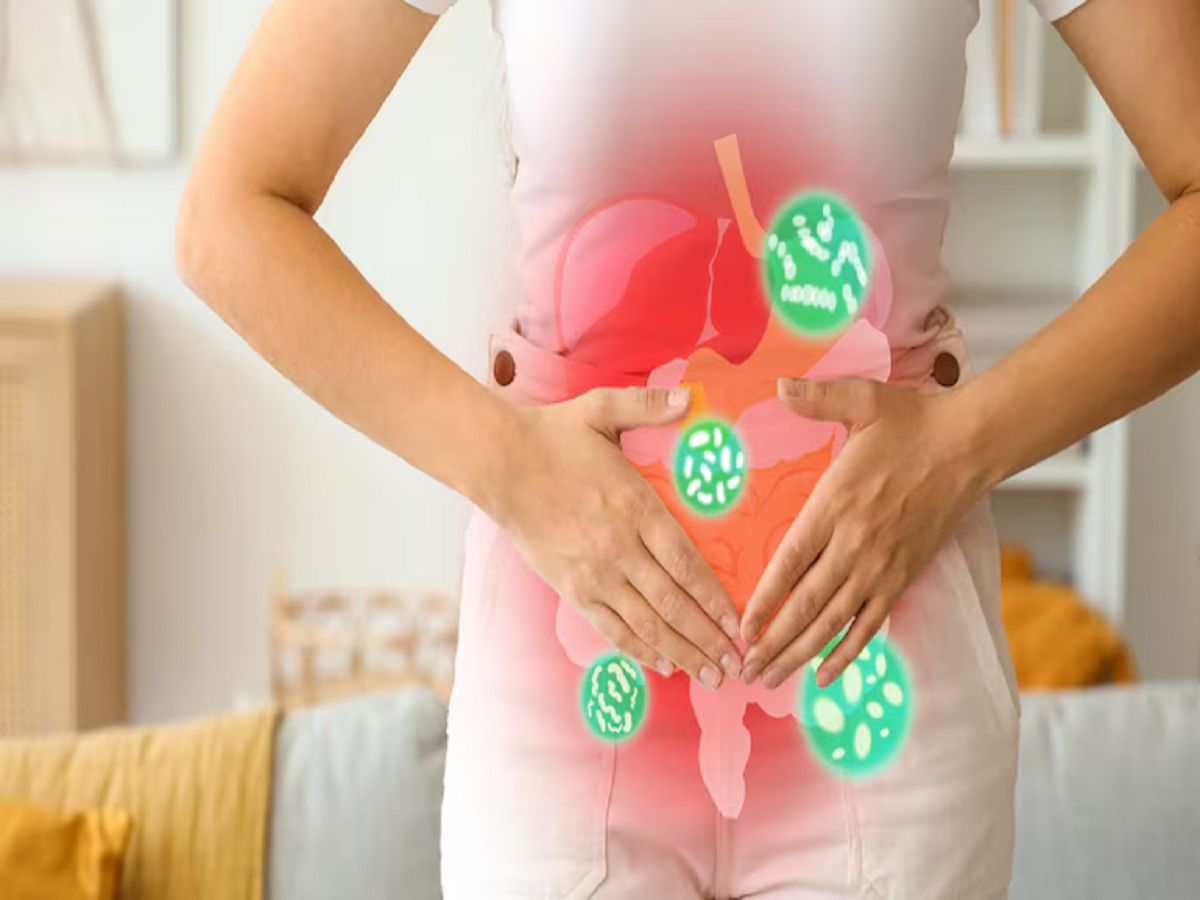
Gut Health: Your digestive system does much more than process food. It plays a crucial role in immunity, energy levels, metabolism, and even mental well-being. When the balance of beneficial and harmful bacteria in the gut is disrupted, the body can start showing several warning signs. Recognizing these symptoms early may help prevent more serious health issues in the future.
Why Gut Health Matters
The gut is often referred to as the body's "second brain" because of its strong connection to overall health. A healthy digestive system supports nutrient absorption, strengthens immunity, regulates metabolism, and contributes to emotional balance.
When the gut microbiome becomes imbalanced, the effects may extend beyond digestion and impact multiple systems throughout the body.
1. Frequent Bloating and Excessive Gas
Occasional bloating is common, but experiencing it regularly may signal an unhealthy gut.
If you frequently feel:
- Abdominal fullness
- Excessive gas
- Stomach discomfort after meals
your digestive system may be struggling to break down certain foods properly.
2. Persistent Constipation or Diarrhea
Changes in bowel habits are among the most common signs of digestive imbalance.
Potential warning signs include:
- Ongoing constipation
- Frequent diarrhea
- Alternating episodes of both
These symptoms may indicate underlying digestive issues such as gut inflammation or irritable bowel syndrome (IBS).
3. New Food Sensitivities
If foods that previously caused no problems suddenly trigger discomfort, your gut health may be affected.
Common examples include:
- Dairy products
- Gluten-containing foods
- Certain fruits or vegetables
An unhealthy gut can make it harder for the body to process certain ingredients effectively.
4. Constant Fatigue and Low Energy
Feeling exhausted despite getting enough sleep may be linked to poor nutrient absorption.
When the digestive system isn't functioning efficiently, the body may struggle to absorb essential vitamins and minerals needed for energy production.
5. Unexplained Weight Changes
Unexpected weight gain or weight loss without changes in diet or exercise habits can sometimes point to digestive and metabolic issues.
Gut health influences:
- Appetite regulation
- Fat storage
- Blood sugar balance
- Metabolic function
6. Increased Cravings for Sugar and Junk Food
Strong cravings for sweets or processed foods may not simply be a matter of willpower.
Research suggests that gut bacteria can influence food preferences and eating behavior. An imbalance in gut microbes may increase cravings for sugar-rich foods.
7. Recurring Skin Problems
The connection between gut health and skin health has gained significant attention in recent years.
Poor gut function may contribute to:
- Acne
- Eczema
- Skin rashes
- Inflammation-related skin conditions
Many experts refer to this relationship as the "gut-skin connection."
8. Persistent Bad Breath
Bad breath isn't always caused by dental issues.
If oral hygiene is good but unpleasant breath continues, digestive problems and gut imbalances could be contributing factors.
9. Sleep Disturbances
The gut plays a role in producing and regulating neurotransmitters, including serotonin, which affects sleep quality.
An unhealthy gut may lead to:
- Difficulty falling asleep
- Frequent nighttime awakenings
- Poor-quality sleep
- Restlessness
10. Brain Fog and Mood Swings
The gut and brain communicate through a complex network known as the gut-brain axis.
When gut health suffers, some people may experience:
- Difficulty concentrating
- Memory problems
- Irritability
- Anxiety
- Mood fluctuations
These symptoms may be linked to changes in gut bacteria and inflammation.
Frequent Illness Could Be Another Sign
A large portion of the body's immune system is connected to the digestive tract.
If you find yourself getting sick frequently, it may indicate that your gut health needs attention. A balanced gut microbiome helps support stronger immune function and overall resilience against infections.
How to Support Better Gut Health
Simple lifestyle habits can help maintain a healthy digestive system:
- Eat a fiber-rich diet
- Include fruits and vegetables daily
- Consume probiotic-rich foods such as yogurt
- Stay hydrated
- Exercise regularly
- Get adequate sleep
- Manage stress effectively
- Limit highly processed foods and excess sugar
Listen to Your Body
Many of the signs of poor gut health can appear subtle at first. Persistent bloating, digestive discomfort, fatigue, skin issues, and mood changes should not be ignored, especially when they occur together.
Paying attention to these warning signals and adopting healthier lifestyle habits can go a long way toward improving digestive wellness and overall health.
Disclaimer: This article is for informational purposes only and should not be considered medical advice. If symptoms persist or worsen, consult a qualified healthcare professional for proper evaluation and treatment.