
NEWS
Gold Price Today: Why China Is Buying More Gold While Indian Demand Slows Despite Price Recovery
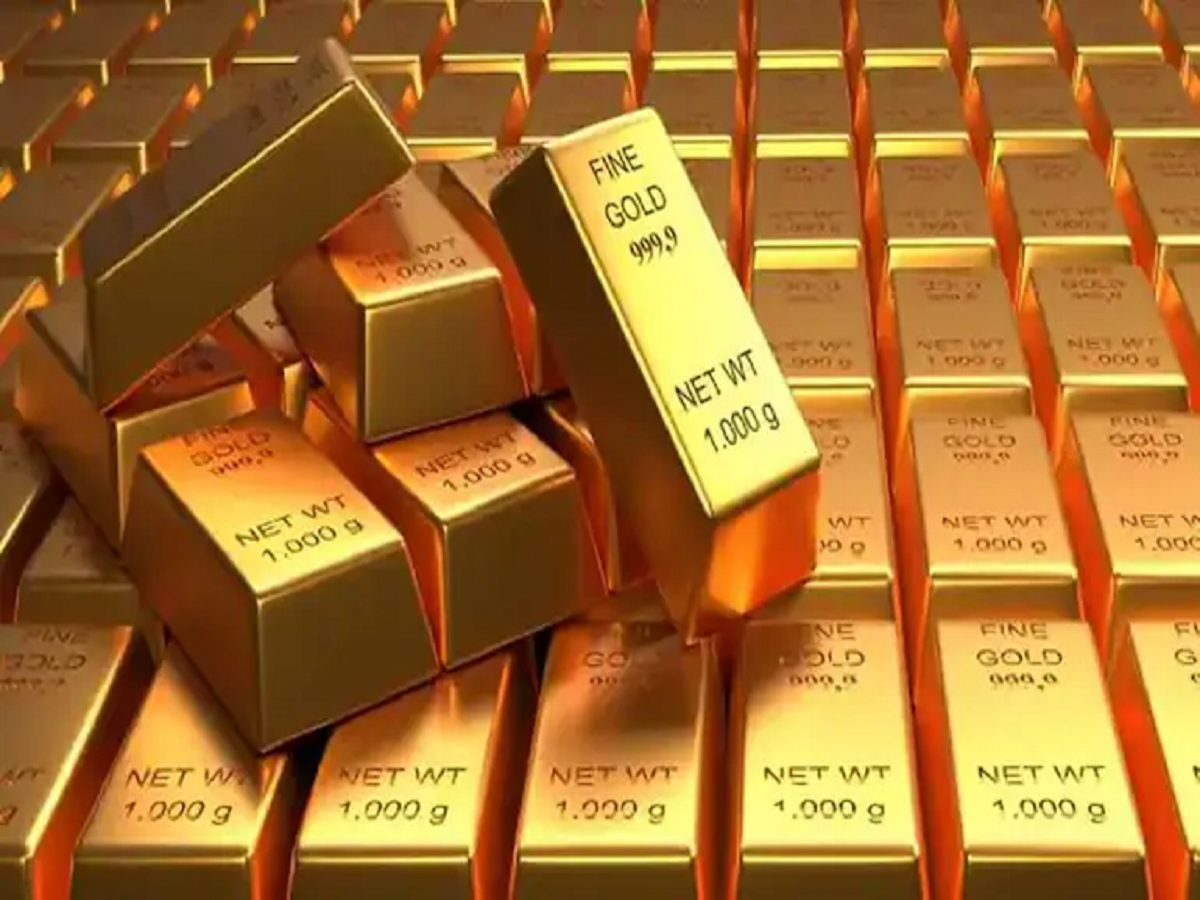
Gold prices witnessed a fresh rebound on Friday, with domestic futures climbing sharply after touching multi-month lows earlier this week. While buying activity in India has slowed due to higher prices and seasonal factors, demand in China is showing signs of improvement, creating contrasting trends in the world's two largest gold-consuming nations.
According to market data, gold futures on the Multi Commodity Exchange (MCX) touched an intraday high of ₹1,48,069 per 10 grams on July 3. In the global market, bullion prices are also heading toward their first weekly gain in more than a month, supported by expectations that the US Federal Reserve could adopt a softer interest rate stance.
Gold Prices Recover After Recent Decline
Gold had fallen significantly earlier this week, with domestic prices slipping to around ₹1,40,450 per 10 grams, the lowest level recorded since late March. However, the precious metal has recovered part of those losses as global sentiment improved.
Despite the rebound, jewellery retailers across India say consumer demand remains subdued. Buyers are taking a cautious approach after the recent volatility in prices, and many are postponing large purchases in anticipation of better buying opportunities.
Industry participants believe the market has entered a traditionally slow demand period, with no major festivals or wedding season currently supporting jewellery sales.
Seasonal Factors Weigh on Gold Buying in India
Jewellers say the slowdown is largely driven by seasonal demand patterns rather than a complete lack of interest in gold. Since there are no major festive occasions or peak wedding celebrations in the coming weeks, retail purchases have naturally declined.
Another factor affecting demand is the recent fluctuation in gold prices. Consumers remain hesitant to make high-value purchases when prices move sharply within short periods, prompting many buyers to wait for greater stability before investing.
Although retail demand has softened, wholesale purchases continue at a measured pace as businesses maintain inventory while avoiding excessive exposure to volatile price movements.
China Shows Signs of Improving Gold Demand
Unlike India, the Chinese gold market is witnessing improving buying activity.
Market indicators suggest that discounts on physical gold in China have narrowed considerably over the past week. Gold was recently trading at prices ranging from parity with international rates to about $2 per ounce below global benchmarks.
Just a week earlier, discounts had widened to nearly $3 to $7 per ounce.
A smaller discount generally indicates stronger consumer demand because sellers no longer need to offer steep price reductions to attract buyers. Analysts view this as an early indication that physical gold purchases in China are gradually recovering.
International Gold Prices Gain Momentum
The global gold market is also receiving support from developments in the United States.
Spot gold was trading near $4,184.75 per ounce, while US gold futures for August delivery were quoted around $4,197.20 per ounce.
The precious metal is now on track for its first weekly gain in nearly five weeks after recent economic data from the United States suggested that the labour market is losing momentum.
According to the latest employment figures, non-farm payrolls increased by approximately 57,000 jobs in June, lower than many market expectations. Softer employment growth has strengthened expectations that the US Federal Reserve may avoid aggressive interest rate increases in the near future.
Lower interest rate expectations generally benefit gold because the metal does not generate interest income. As bond yields become less attractive, investors often increase their allocation to safe-haven assets such as gold.
Investors Continue to Monitor Market Direction
Analysts believe gold prices will continue to react to global economic data, central bank policy decisions, inflation trends, and geopolitical developments in the coming weeks.
In India, the focus will remain on whether festive demand returns later in the year as consumers assess future price movements. Meanwhile, improving physical demand from China could provide additional support to international bullion prices if the recovery continues.
For now, the global gold market remains influenced by a combination of cautious consumer behaviour in India, strengthening demand signals from China, and growing expectations that US monetary policy could become more accommodative, keeping investors closely focused on the precious metal's next move.