LIFESTYLE
Foods To Avoid At Iftar: These things should not be eaten even by mistake during Iftar, otherwise your health will deteriorate.
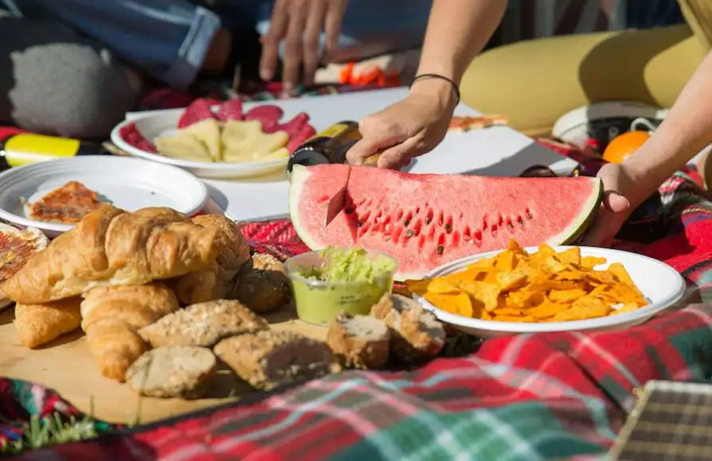
Balanced Iftar Meal: Ramadan, the holiest month in Islam, begins in India on February 19. Let us tell you what you should keep in mind during Iftar.

What not to eat during Iftar?
Which Foods Should Be Avoided At Iftar: Ramadan, the holiest month of Islam, has begun. The month of Ramadan also begins in India on February 19th. The most important thing about festivals is that they are not just occasions for celebration; they also remind us of our cultural identity and traditions. The month of Ramadan is a sacred time, emphasizing prayer, patience, and self-control. Fasting is not only a religious duty but also a way to maintain self-discipline and physical balance. Sehri is eaten before sunrise, and the fast is broken with Iftar at sunset. This is a 30-day spiritual journey, in which eating and drinking habits hold special importance. Let us tell you which mistakes you should avoid during Iftar, which could lead to ill health.
The entire lifestyle changes
Lifestyle changes completely during Ramadan. After a long period of starvation and thirst, when it's time to eat, people often choose foods that taste good but can be detrimental to their health. According to a report by Hamad Medical Corporation, experts advise taking extra care with food during this month, as irregular meals and excessive fried or sweet foods can affect digestion.
Those fasting during Ramadan should be especially careful about their diet. After a long day of fasting and thirst, what they eat at Iftar directly impacts their health. A sudden change in routine and the consumption of heavy or sugary foods after a long break can increase problems like heartburn, gas, fatigue, and discomfort. Foods high in sugar and fat are especially effective on an empty stomach.
Avoiding fried and oily foods
It's best to avoid fried and oily foods during Iftar. Samosas, fried potatoes, or other deep-fried snacks may taste good, but they are high in fat and sodium. Eating them in large quantities after fasting can increase lethargy, heaviness, and fatigue. Similarly, foods high in salt, such as pickles or overly salty snacks, can increase dehydration. The body needs hydration after a day's fast, and excess sodium can disrupt fluid balance.
Sweets should also be eaten wisely.
Sweet foods should also be consumed judiciously. High-sugar sweets or desserts provide instant energy, but this energy doesn't last long. Weakness or lethargy may return after a while. Furthermore, chocolate, tea, coffee, or other caffeinated beverages should also be consumed in limited quantities during Iftar. Caffeine can remove water and essential minerals from the body, increasing the risk of dehydration. Only a balanced and light diet can properly energize the body after fasting and maintain good health.