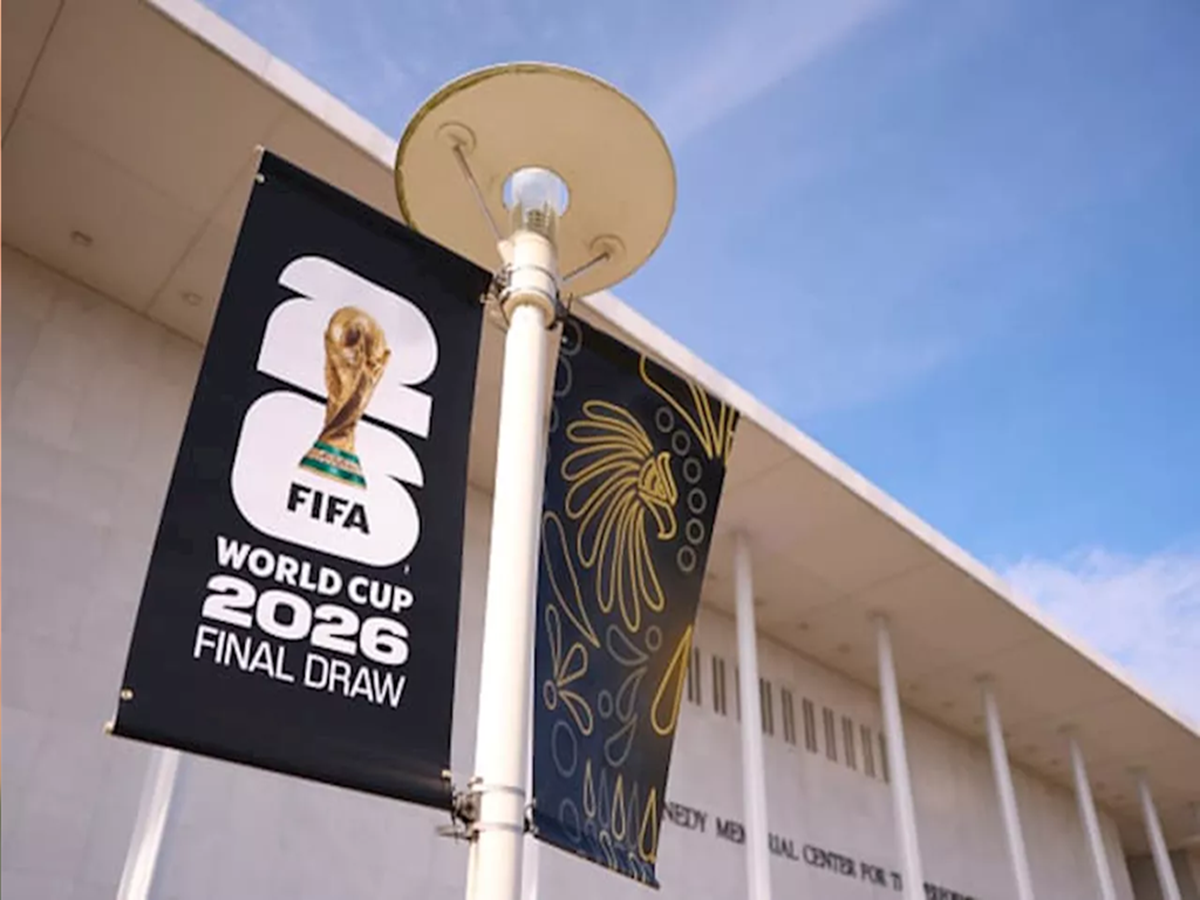

The countdown to the FIFA World Cup 2026 has captured the attention of football fans across the globe. As the world prepares for another edition of the sport’s most prestigious tournament, excitement is building around what will be the biggest FIFA World Cup in history.
This edition will mark a major milestone for international football, featuring more teams, more matches, and a larger host region than ever before. With the tournament set to take place across the United States, Canada, and Mexico, FIFA is ushering in a new era for the global game.
A Look Back: When Did the FIFA World Cup Begin?
The FIFA World Cup first took place in 1930, with Uruguay hosting the inaugural tournament. Organized by FIFA, the competition featured a small group of participating nations and quickly established itself as the premier championship in world football.
Since then, the tournament has grown into one of the most-watched sporting events on the planet, attracting billions of viewers and showcasing the best football talent from every continent.
Over nearly a century, the World Cup has evolved significantly, expanding its reach and increasing opportunities for more nations to compete on the biggest stage.
FIFA World Cup 2026 Will Be the Largest Ever
The 2026 tournament will be the 23rd edition of the FIFA World Cup and will introduce a historic expansion in participation.
For the first time in the competition’s history, 48 national teams will compete for football’s most coveted trophy. This is a substantial increase from the 32-team format that had been in place since 1998.
The expanded tournament will feature a total of 104 matches, making it the longest and most extensive World Cup ever organized. The increased number of teams is expected to provide greater representation for emerging football nations and create more opportunities for international competition.
How the Number of Teams Has Changed Over the Years
The FIFA World Cup has undergone several expansions since its inception.
Early Years: 13 to 16 Teams
The inaugural 1930 tournament in Uruguay featured 13 participating nations. In the following decades, the number of teams fluctuated as global participation in football continued to grow.
By the time the tournament reached the 1978 World Cup in Argentina, the competition had gradually expanded to include 16 teams.
Expansion to 24 Teams
A major change arrived at the 1982 FIFA World Cup in Spain, when FIFA increased the field from 16 to 24 teams.
This format remained in place through several editions, including the 1994 tournament hosted by the United States.
The expansion allowed more countries from Asia, Africa, and North America to participate, helping to globalize the sport even further.
The 32-Team Era
Another significant milestone came in 1998 when the World Cup expanded to 32 teams.
From the 1998 edition through the 2022 tournament in Qatar, seven consecutive World Cups were played under the 32-team format.
This structure produced some of the tournament’s most memorable moments and helped establish the modern World Cup format familiar to fans today.
Three Nations to Host the Tournament
The 2026 FIFA World Cup will also make history by being jointly hosted by three countries:
- United States
- Mexico
- Canada
Matches will be played across 16 host cities spread throughout North America. This will be the first World Cup hosted by three nations and is expected to attract record-breaking attendance and viewership.
The multi-country hosting model reflects FIFA’s ambition to make the tournament more inclusive while leveraging world-class infrastructure across the region.
A New Chapter in World Cup History
The FIFA World Cup has come a long way since its humble beginnings in 1930. What started as a tournament featuring just 13 teams has transformed into a global spectacle involving 48 nations and more than 100 matches.
As football enters this new chapter, the 2026 World Cup promises to deliver greater competition, broader international representation, and unforgettable moments for fans worldwide. With more teams than ever chasing glory, the tournament is set to become one of the most significant sporting events in football history.