Fatty Liver Symptoms in Men: Long working hours, limited physical activity, unhealthy eating habits and increasing abdominal obesity can affect more than just body weight. These lifestyle and metabolic factors are closely associated with fatty liver disease, a condition in which excess fat accumulates inside liver cells.
Now commonly referred to as metabolic dysfunction-associated steatotic liver disease (MASLD) when specific metabolic criteria are met, fatty liver disease can develop without noticeable symptoms. Many people discover the condition only during routine medical examinations, blood tests or abdominal ultrasound scans.
Although fatty liver disease can affect both men and women, men with excess abdominal fat, type 2 diabetes, high cholesterol or other metabolic risk factors should pay particular attention to their liver health.
The condition may remain stable in some individuals, while others can develop liver inflammation, scarring and more serious complications over time.
Recognising possible warning signs and understanding personal risk factors can help people seek medical advice before significant liver damage develops.
What Is Fatty Liver Disease and Why Does It Develop?
The liver performs several essential functions, including processing nutrients, regulating metabolism, producing important proteins and helping the body eliminate waste products.
Fatty liver disease occurs when excessive fat builds up within liver cells.
This accumulation is frequently associated with insulin resistance, excess body weight, metabolic disorders and unhealthy lifestyle patterns.
However, people with a normal body weight can also develop fatty liver disease.
Alcohol consumption may contribute to liver fat accumulation and damage, although metabolic dysfunction-associated fatty liver disease can occur independently of heavy alcohol use.
One of the biggest challenges is that early-stage fatty liver disease often produces no obvious physical symptoms.
Nevertheless, certain health changes may occur in people with liver disease and should not be dismissed when they persist.
1. Feeling Tired Even After Getting Enough Sleep
Persistent fatigue is one of the symptoms sometimes reported by people with fatty liver disease.
A person may feel unusually exhausted despite sleeping for an adequate number of hours.
Routine activities such as walking, working or completing household tasks may seem more tiring than usual.
However, fatigue is extremely common and can arise from many different causes, including stress, poor sleep quality, anaemia, thyroid disorders and nutritional deficiencies.
Therefore, tiredness alone cannot confirm a liver problem.
If unexplained fatigue continues for several weeks or interferes with daily activities, consulting a healthcare professional can help identify the underlying cause.
2. Unusual Discomfort in the Upper Right Abdomen
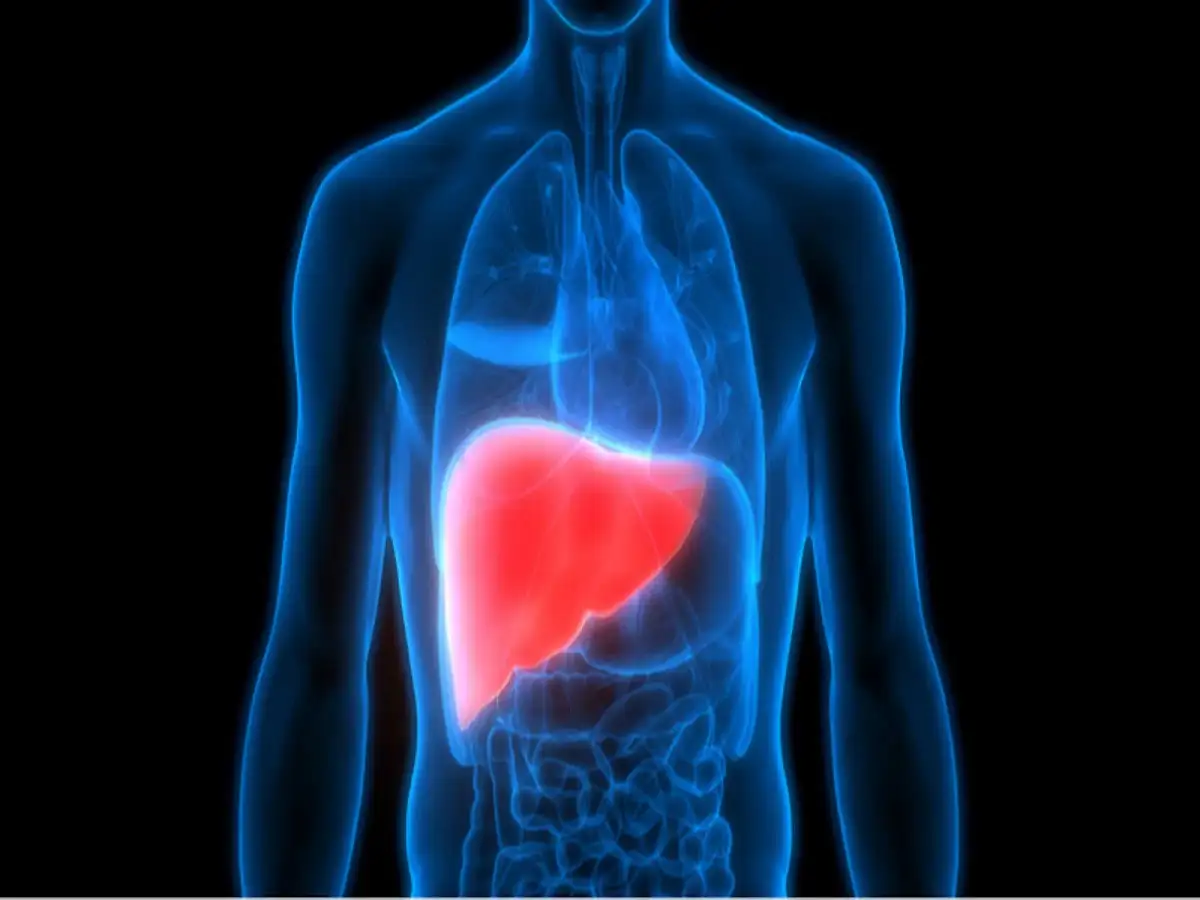
The liver is located mainly in the upper right portion of the abdomen, beneath the rib cage.
Some individuals with fatty liver disease experience mild discomfort, a sensation of fullness or pressure in this region.
The discomfort may be intermittent rather than constant.
In certain cases, liver enlargement may contribute to an uncomfortable feeling in the upper abdomen.
However, similar symptoms can also occur because of gallbladder problems, digestive disorders, muscle strain and other medical conditions.
Persistent abdominal discomfort should therefore be evaluated rather than automatically attributed to fatty liver disease.
Severe or sudden abdominal pain requires prompt medical attention.
3. Increasing Belly Fat and Waist Size
A growing waistline is not necessarily a symptom of existing liver damage, but it is an important warning sign of metabolic risk.
Excess fat around the abdomen, particularly visceral fat surrounding internal organs, is strongly associated with insulin resistance and fatty liver disease.
Men who spend most of their working day sitting and engage in limited physical activity may be more likely to develop abdominal obesity.
Frequent consumption of sugary beverages, calorie-dense foods and oversized portions can also contribute to weight gain.
A steadily increasing waist circumference should encourage individuals to review their dietary habits, physical activity levels and overall metabolic health.
Even people who do not appear significantly overweight may carry excess visceral fat.
For this reason, doctors may consider waist measurements alongside body mass index, blood sugar levels and cholesterol results when assessing metabolic risk.
4. Persistent Weakness and Reduced Energy
Some people with liver disease describe a general feeling of weakness or reduced stamina.
They may struggle to maintain their usual activity levels or feel less energetic throughout the day.
However, weakness and low energy are nonspecific symptoms and do not reliably distinguish fatty liver disease from other health conditions.
Dehydration, infections, inadequate nutrition, poor sleep and various medical disorders may produce similar complaints.
If weakness becomes persistent or progressively worsens, medical assessment is important.
A healthcare professional may recommend blood investigations or other examinations depending on the individual's symptoms and medical history.
5. Reduced Appetite, Nausea or Digestive Discomfort
Loss of appetite and occasional nausea can occur in people with various liver conditions, particularly when liver disease becomes more advanced.
Some individuals may also experience discomfort after meals or a general feeling of being unwell.
However, these complaints are not specific to fatty liver disease.
Acidity, gastritis, food intolerance, infections and other digestive problems can cause similar symptoms.
People experiencing repeated nausea, unexplained appetite changes or persistent digestive discomfort should consult a doctor.
Symptoms such as yellowing of the eyes or skin, abdominal swelling, vomiting blood or confusion may indicate a more serious condition and require urgent medical evaluation.
Who Is More Likely to Develop Fatty Liver Disease?
Several metabolic and lifestyle-related factors can increase the likelihood of developing fatty liver disease.
These include excess body weight, abdominal obesity, type 2 diabetes, insulin resistance, high triglyceride levels, high blood pressure and limited physical activity.
Family history and genetic factors may also influence individual susceptibility.
Importantly, fatty liver disease is not restricted to older adults or people who consume alcohol.
Younger adults and individuals who do not drink alcohol can also develop the condition.
How Is Fatty Liver Disease Diagnosed?
Because fatty liver disease often causes no noticeable symptoms, diagnosis usually depends on medical evaluation rather than physical warning signs alone.
Doctors may recommend liver function blood tests, metabolic assessments and imaging investigations based on the patient's risk factors.
An abdominal ultrasound can sometimes identify fat accumulation in the liver.
Other tests, including fibrosis assessment tools and liver stiffness measurements, may be used to evaluate the possibility of liver scarring.
Normal liver enzyme levels do not always exclude significant liver disease.
The appropriate investigations depend on a person's medical history, clinical findings and overall risk profile.
How Can Men Reduce Their Risk of Fatty Liver Disease?
Lifestyle changes play an important role in preventing and managing fatty liver disease.
Choose a balanced diet: Include vegetables, fruits, whole grains, legumes and suitable protein sources. Reduce frequent consumption of sugary drinks, highly processed foods and excessive calories.
Stay physically active: Regular walking, cycling, swimming or other suitable exercises can support metabolic health. Adults can generally aim for at least 150 minutes of moderate-intensity physical activity each week, according to their health and abilities.
Manage body weight: For people who are overweight, gradual and sustainable weight reduction can help decrease liver fat. The appropriate weight-loss target should be discussed with a healthcare professional.
Control metabolic conditions: Managing diabetes, cholesterol and blood pressure can help reduce associated health risks.
Limit or avoid alcohol: People with existing liver disease should discuss alcohol consumption with their doctor, as abstinence may be recommended.
Avoid unverified liver remedies: Products marketed as liver cleansers or detox supplements are not proven substitutes for medical treatment, and some may cause liver injury.
When Should You Consult a Doctor?
Anyone experiencing persistent fatigue, unexplained abdominal discomfort, ongoing nausea or other concerning symptoms should seek medical advice.
People with obesity, diabetes or multiple metabolic risk factors may also benefit from discussing liver health with their healthcare provider even when they feel completely well.
Early assessment can help identify fatty liver disease, evaluate the risk of liver scarring and guide appropriate treatment.
Final Takeaway
Fatty liver disease can develop silently, making awareness of metabolic risk factors especially important.
Persistent tiredness, abdominal discomfort, reduced energy and appetite changes may occur in some people with liver disease, but these symptoms are not reliable indicators on their own. Increasing belly fat is primarily a risk factor rather than proof of fatty liver disease.
Maintaining a healthy weight, exercising regularly, following a balanced diet and managing diabetes or cholesterol can help protect long-term liver health.
Medical Disclaimer: This article is intended for general health awareness and does not provide a medical diagnosis. The symptoms discussed can occur in many conditions. Consult a qualified healthcare professional for individual assessment, testing and treatment.