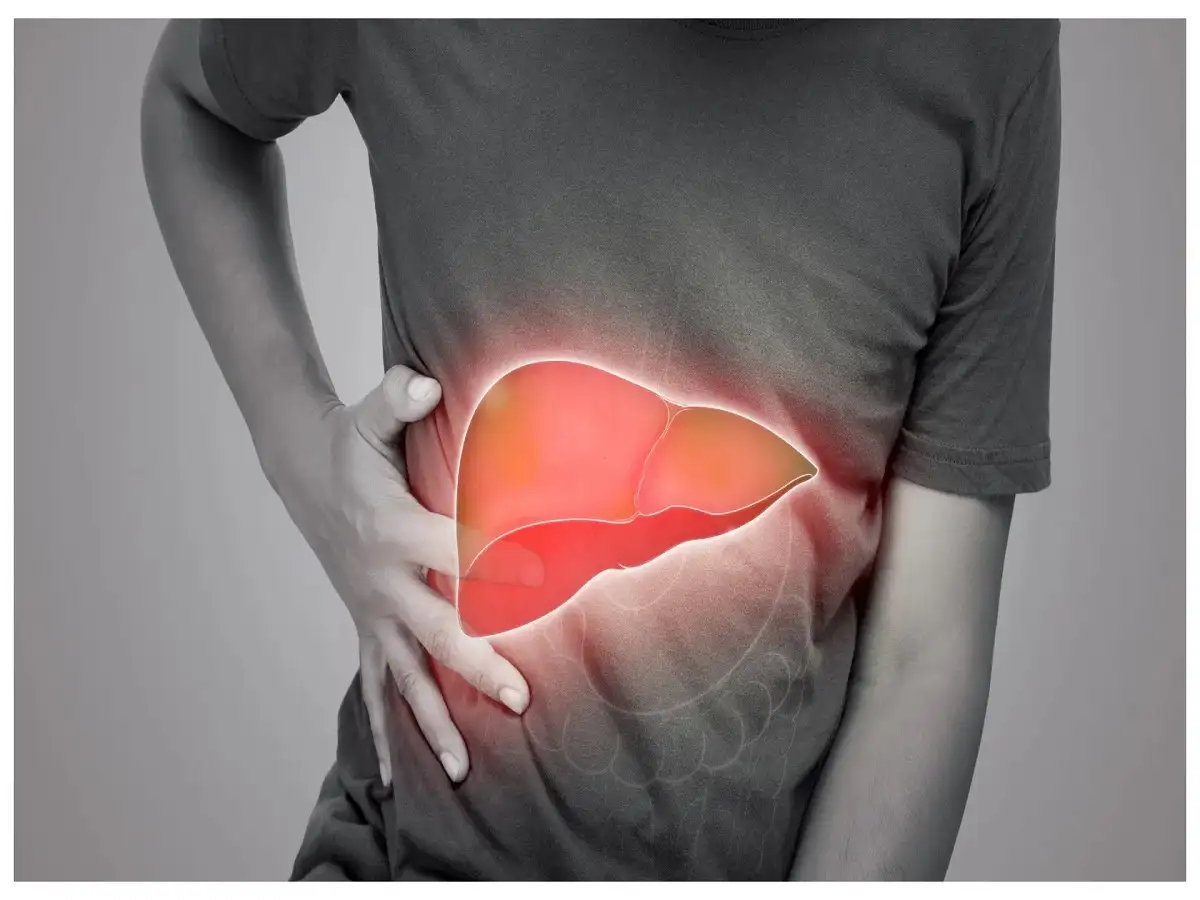
Fatty liver disease has become an increasingly important metabolic health concern, particularly in people who are overweight, physically inactive or have conditions such as insulin resistance, high cholesterol or type 2 diabetes. Diet and lifestyle can play an important role in both the development and management of the condition.
Making healthier food and beverage choices may support liver health, but there is an important point to understand: no single juice, tea or homemade drink can be considered a cure for fatty liver disease.
Improving liver fat generally requires a broader approach that may include weight management, regular physical activity, a balanced diet and appropriate medical care. Replacing high-calorie and sugar-sweetened beverages with healthier alternatives can nevertheless be a useful part of those lifestyle changes.
Here are five beverages that can fit into a liver-friendly eating pattern.
1. Amla Juice
Amla, also known as Indian gooseberry, is naturally rich in vitamin C and contains several antioxidant compounds.
Antioxidants help protect cells against oxidative stress, which is one reason amla has attracted attention for its potential health benefits. Research has also explored the possible role of amla in metabolic and lipid health.
However, drinking amla juice should not be considered a treatment for fatty liver disease by itself.
If you choose to include amla juice in your diet, avoid turning it into a high-sugar beverage. Adding large quantities of sugar can increase calorie intake and may be counterproductive, particularly for people trying to lose weight or manage blood glucose levels.
People with diabetes should also consider how any juice fits into their overall carbohydrate intake.
2. Unsweetened Green Tea
Green tea is another popular beverage that can replace sugary drinks.
It contains plant compounds called catechins, including epigallocatechin gallate, commonly known as EGCG. These compounds have antioxidant properties and have been studied for their potential effects on oxidative stress and metabolic health.
Research has investigated whether green tea may have beneficial effects on certain markers related to liver and metabolic health, but it should not be viewed as a standalone therapy for fatty liver disease.
One of its simplest advantages is that plain, unsweetened green tea contains very few calories, making it a better everyday choice than sugar-loaded tea, soft drinks or other sweetened beverages.
3. Water With Lemon
Warm water with lemon is frequently promoted online as a "detox" remedy, but such claims should be viewed carefully.
Your liver already performs essential metabolic and detoxification functions. Lemon water does not magically flush fat or toxins from the liver.
That does not mean it has no place in a healthy diet.
Lemon adds flavour and some vitamin C to water. For someone who normally consumes sugary beverages, switching to plain water or unsweetened lemon water can reduce added sugar and calorie intake while helping maintain hydration.
It is therefore better viewed as a healthy beverage replacement rather than a treatment for fatty liver.
4. Unsweetened Black Coffee
Coffee has attracted considerable research interest in relation to liver health.
Observational research has associated coffee consumption with several favourable liver-related outcomes. Coffee contains numerous biologically active compounds, including chlorogenic acids and other antioxidants.
However, the way coffee is prepared matters.
A drink loaded with sugar, flavoured syrup, cream or other high-calorie ingredients is very different nutritionally from plain coffee.
For people who tolerate caffeine and have no medical reason to avoid it, unsweetened coffee can be included as part of a balanced diet. But drinking more coffee than usual solely in an attempt to treat fatty liver is not advisable.
People who are sensitive to caffeine, pregnant, or have certain medical conditions should follow appropriate professional guidance regarding caffeine intake.
5. Plain Buttermilk
Traditional buttermilk can also be a refreshing addition to the diet when prepared without excessive salt, sugar or high-calorie ingredients.
Depending on how it is prepared, buttermilk can provide protein and other nutrients while serving as an alternative to sugary beverages.
Fermented dairy foods are also studied for their relationship with gut health, which researchers increasingly recognise as being connected with broader metabolic health.
Still, buttermilk itself should not be described as a remedy that removes liver fat. Its value depends on the person's overall diet, calorie intake and individual health requirements.
People who need to restrict sodium should be particularly careful about adding too much salt to buttermilk.
What Actually Helps Reduce Fatty Liver?
For many people with metabolic fatty liver disease, lifestyle changes are among the most important components of management.
Achieving and maintaining a healthier body weight when appropriate, exercising regularly, improving overall diet quality and managing diabetes, cholesterol and blood pressure can all be important.
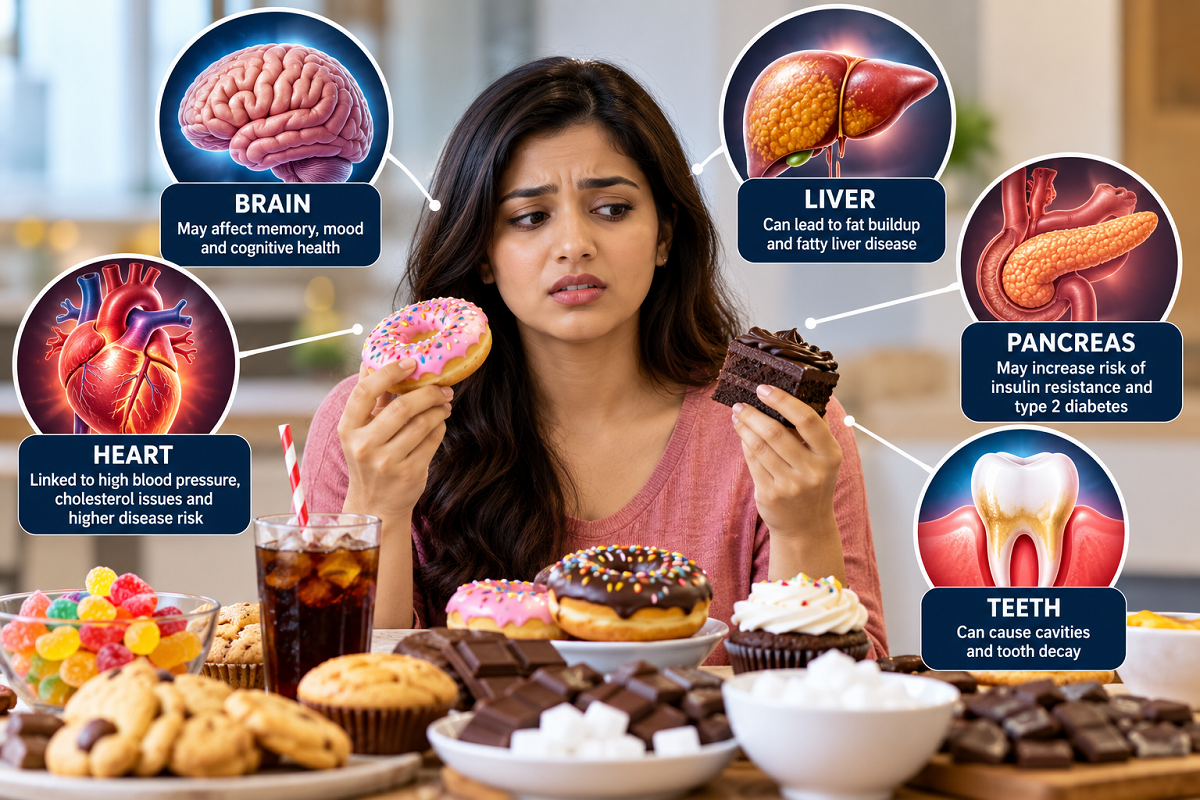
Reducing sugary beverages is especially useful because drinks such as soft drinks, sweetened juices, energy drinks and heavily sweetened tea or coffee can add substantial amounts of sugar and calories without providing much satiety.
Replacing these with water or other low-calorie, unsweetened beverages may therefore support broader weight and metabolic goals.
Don't Rely on a 'Detox Drink' to Treat Fatty Liver
The idea that one particular drink can "clean," "detox" or rapidly reverse fatty liver is misleading.
Amla juice, green tea, lemon water, black coffee and plain buttermilk can all fit into a healthy dietary pattern depending on individual needs. Their biggest benefit may come when they replace beverages containing large amounts of added sugar and calories.
Anyone who has been diagnosed with fatty liver disease should discuss appropriate management with a qualified healthcare professional, particularly if liver tests are abnormal or they also have obesity, diabetes, high cholesterol or other metabolic conditions.
Healthy beverages can support a better lifestyle, but treating fatty liver requires looking at the entire diet, physical activity, body weight and overall metabolic health, rather than relying on one drink.