NEWS
Dharmendra Pradhan Resignation: Will Dharmendra Pradhan's letter be enough to remove him from his ministerial position?
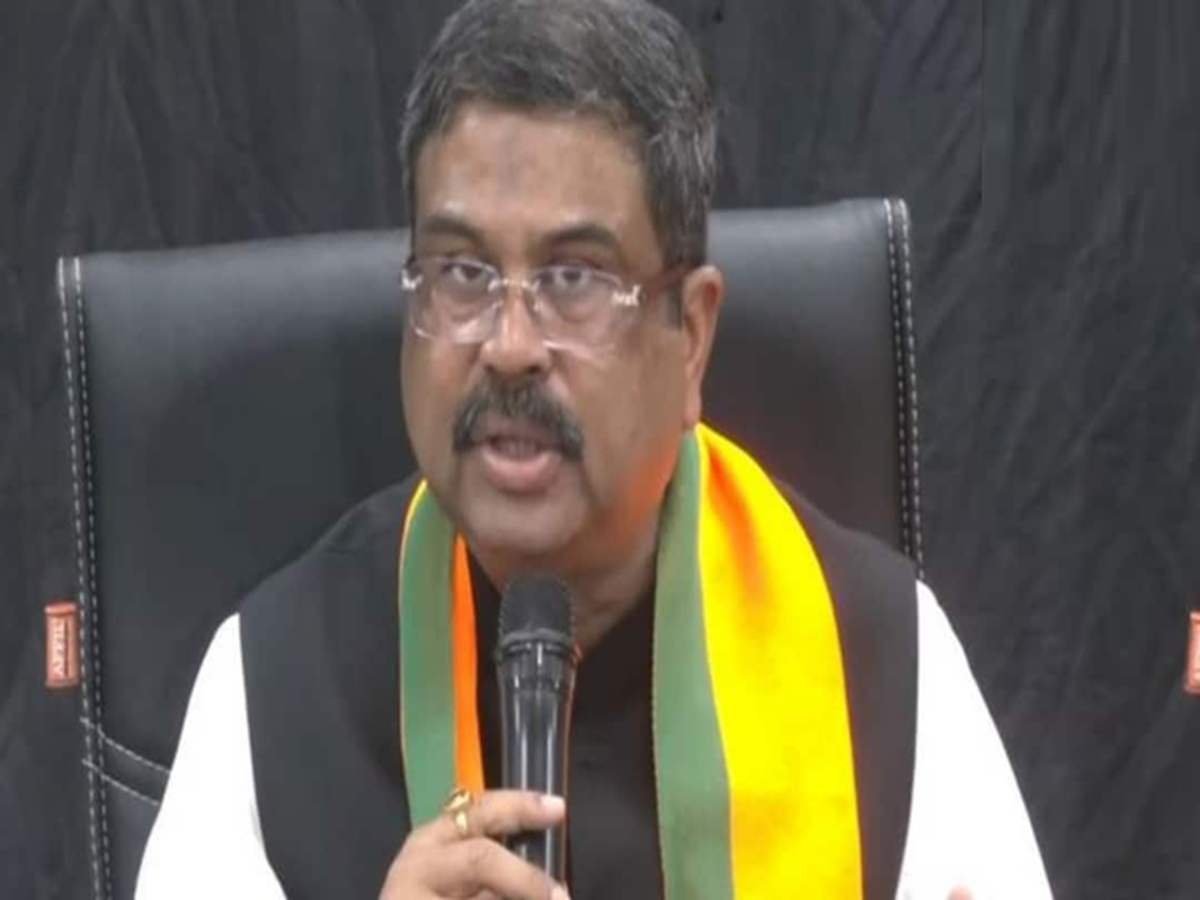
According to the Constitution, the head of the Council of Ministers is the Prime Minister; hence, no minister sends his resignation directly to the President but first submits it to the Prime Minister.
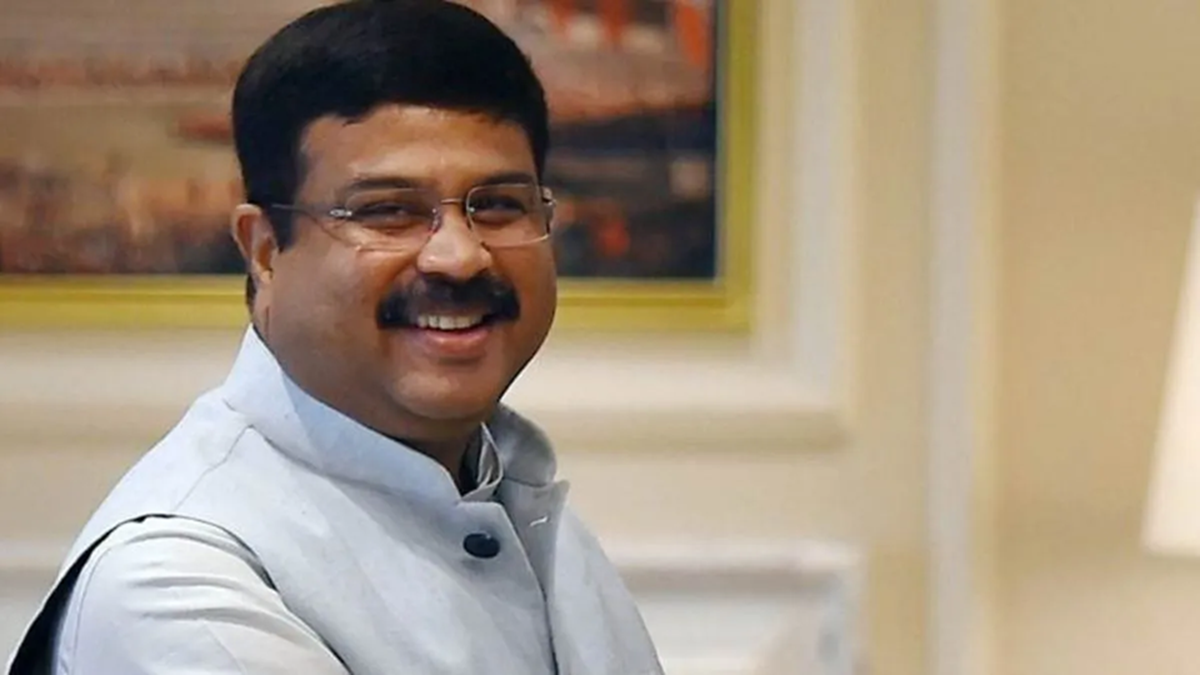
Dharmendra Pradhan's resignation process
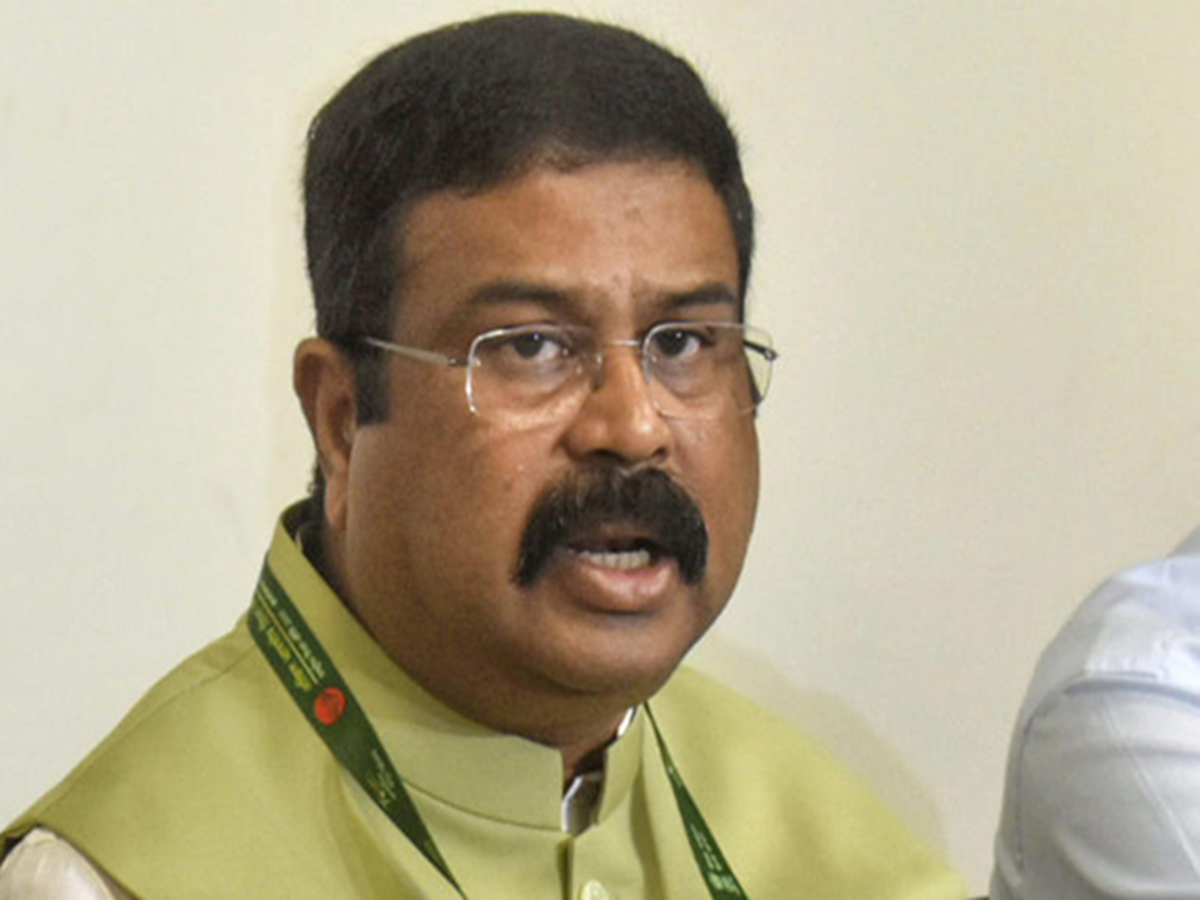
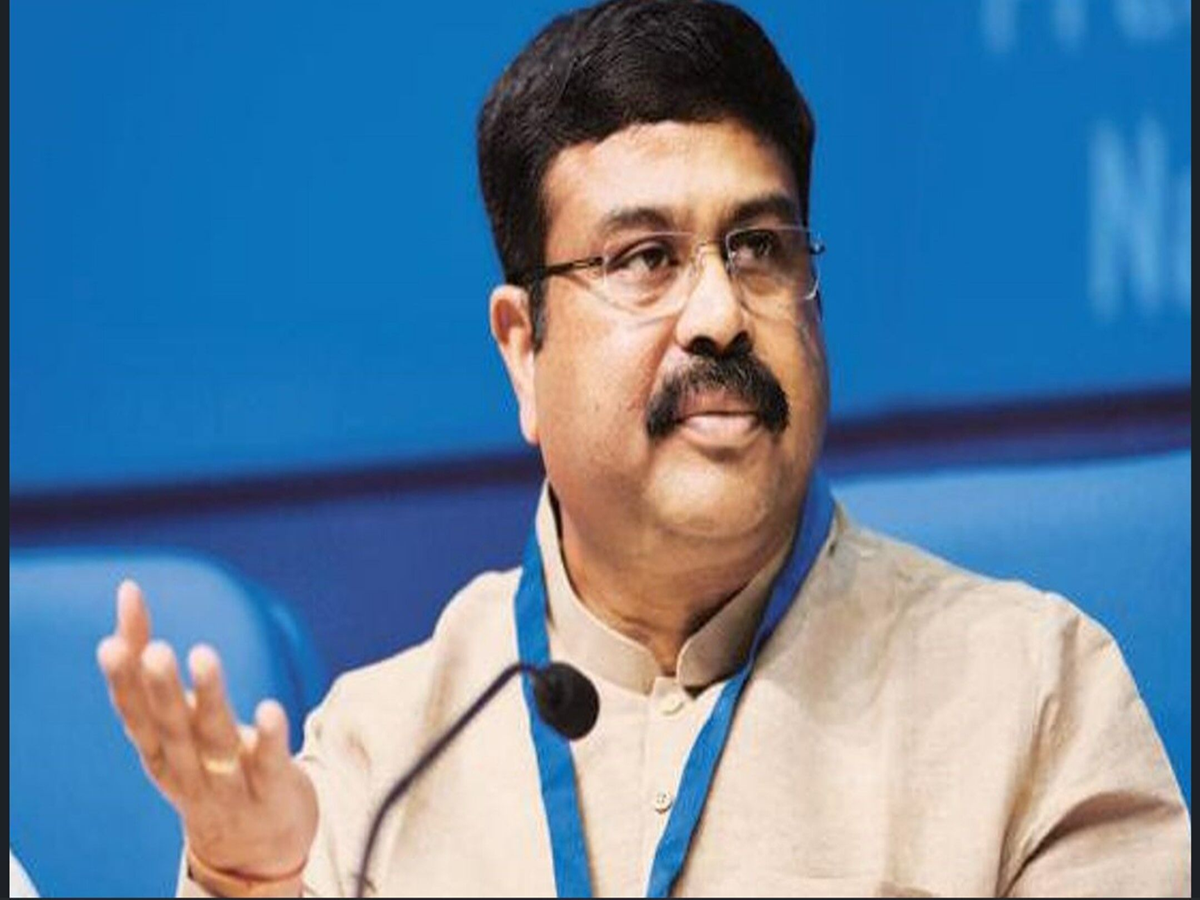
Following irregularities in the NEET-UG exam and a weeks-long student protest at Jantar Mantar by the "Cockroach Janata Party," Union Education Minister Dharmendra Pradhan has finally submitted his resignation to Prime Minister Narendra Modi . However, political and administrative circles are increasingly discussing whether a mere letter or public announcement legally terminates a ministerial position. Let's explore the constitutional facts and rules surrounding this process.
Does one vacate the post just by submitting the letter?
No, according to the Indian Constitution, a Union Minister's resignation does not become effective immediately simply by submitting a letter to the Prime Minister or announcing it on social media. Until the President accepts it and issues an official notification, the Minister legally remains in office. The entire constitutional process of ministerial resignation: According to the Indian Constitution and parliamentary rules, the process of a minister's resignation goes through four major stages. Let us explain.
A written resignation is submitted to the Prime Minister
According to the Constitution, the Prime Minister heads the Council of Ministers, so a minister submits his or her resignation first to the Prime Minister, rather than directly to the President. Upon receiving the resignation, the Prime Minister decides whether to accept it. If the Prime Minister approves the resignation, he or she forwards it to the President with his or her formal recommendation. Under Article 75(2) of the Indian Constitution, Union Ministers hold office at the pleasure of the President. Therefore, the President, on the advice of the Prime Minister, grants final approval to the resignation.
The letter is issued by notification of the Cabinet Secretariat
Following the President's approval, the Cabinet Secretariat issues an official notification in the Gazette of India. Only after the publication of this Gazette notification is the ministerial position legally considered vacant. Although this power is exercised in the President's name, it is actually exercised on the advice of the Prime Minister. If the Prime Minister wishes, he can ask for a minister's resignation or recommend his dismissal to the President.