FOOD & RECIPE
Delhi-Style Dahi Bhalla: How to make Delhi-style Dahi Bhalla at home? This recipe will help.
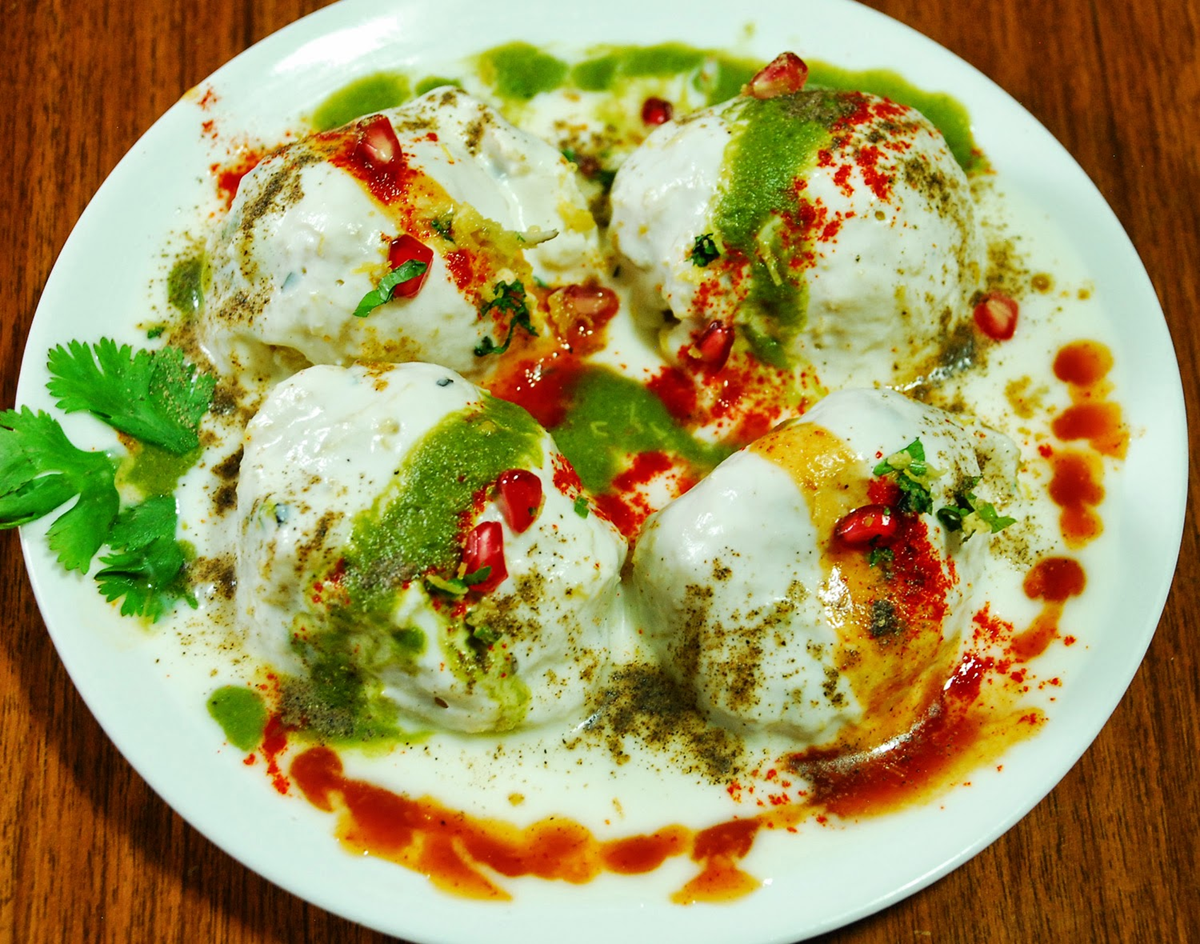
Indian Street Food: Soft bhallas made from urad dal are topped with cold curd, sweet chutney and sweet-sour spicy things, which further enhance its taste.
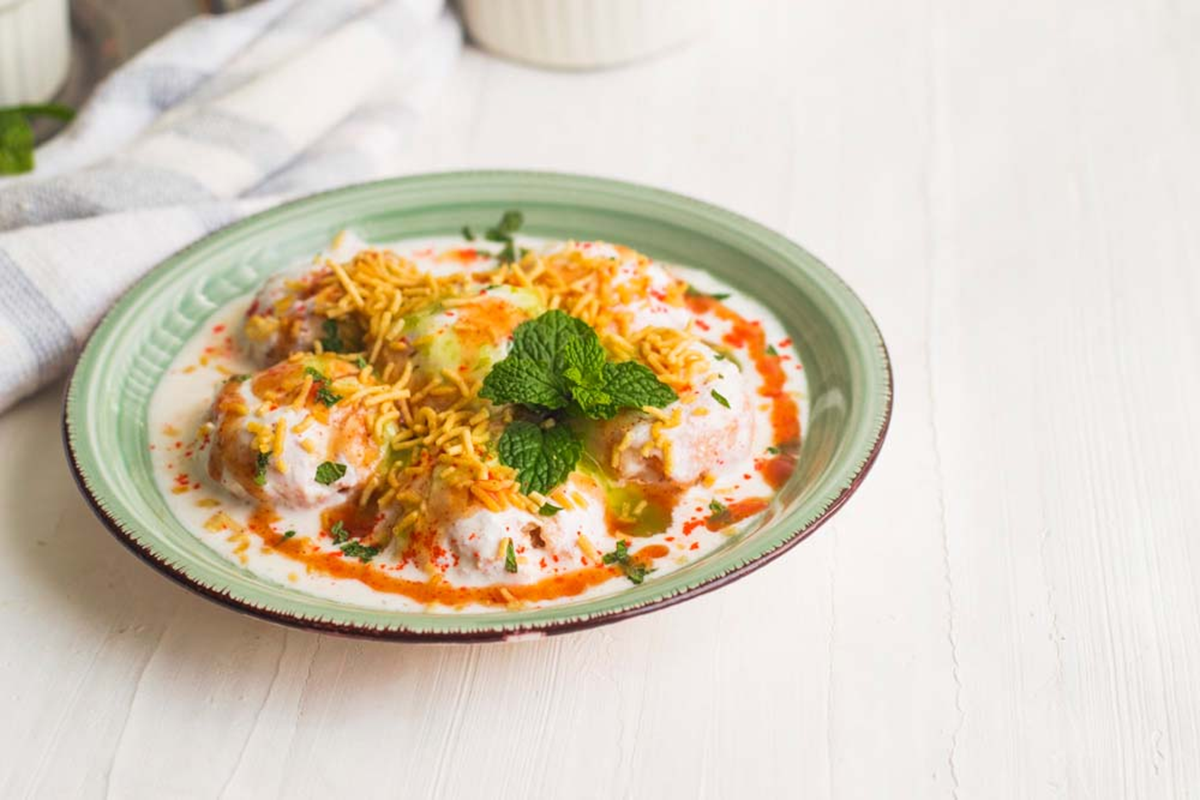
How to make soft and spongy Dahi Bhalla at home?
How To Make Soft Dahi Bhalla At Home: Just the mention of Dahi Bhalla makes one's mouth water. Everyone loves the soft and delicious Dahi Bhallas found on the streets of Delhi. Made from urad dal, these soft Bhallas are topped with cold yogurt, sweet chutney, and a sweet and sour savory filling, which further enhance their flavor. But the biggest problem with making Dahi Bhallas at home is that they don't turn out as soft and fluffy as the ones available in the market.
Sometimes bhallas become hard after frying, and sometimes they don't rise properly due to improper batter. If this happens to you, you can make soft and fluffy dahi bhallas at home by keeping a few simple things in mind. From selecting the lentils to preparing the batter and checking it before frying, every small step counts.
Choosing the right lentils is most important
Making good Dahi Bhallas starts with the right lentils. Urad dal is typically used for this. Urad dal helps make the bhallas soft and light. Adding a little moong dal improves both the taste and texture. If you want to make Delhi-style Dahi Bhallas at home, be mindful of the lentil quantity. Use urad dal as the main ingredient and add a little moong dal. Wash the lentils thoroughly and soak them in water for a few hours. This will make the lentils easier to grind and the batter will be better.
Do not add too much water at once
Don't rush to add water while grinding the lentils. Adding too much water at once can make the batter runny, and the bhajjis won't form properly. While grinding the lentils, add water little by little, using only as much as needed. The batter should be thick enough to easily hold its shape. A too-thin batter can cause the bhajjis to spread in the oil and result in an uneven texture. Therefore, it's best to always add water in small quantities, adding more later if needed.
Add some salt to the batter
When grinding lentils, it's important to keep one small detail in mind: be sure to add a little salt to the batter. This may seem like a simple step, but many people overlook it. Salt enhances the flavor of the batter and is crucial in preparing bhalle. Therefore, when grinding lentils, be sure to add a little salt to taste.
Grind the lentils well
For soft and fluffy bhallas, the batter must be well prepared. Grind the lentils until the batter is smooth and consistent. A well-ground batter helps make the bhallas light and fluffy. The batter can be whipped thoroughly by hand or with a stand mixer. Whipping the batter thoroughly incorporates air into the batter, making the bhallas lighter and fluffier when fried.
Do a small drop test of the batter
An easy way to test the batter before frying the bhajjis is to perform the drop test. Take a small portion of the batter and drop it into a bowl filled with water. If the batter floats to the top, it's considered a good sign. This means the batter has sufficiently aerated and is ready to be used to make bhajjis. If the batter settles, whisk it vigorously for a few more minutes and then test again.
Now make soft Dahi Bhalla
Once the batter is ready, heat oil in a pan. Pour the batter into the oil in small portions and fry the bhallas over medium heat. Frying them over high heat can cause the outer surface to harden quickly, while the inner surface will not cook properly. Remove the bhallas from the oil once they turn golden. Then, soak them in water for a while to soften them. After removing them from the water, gently squeeze out any excess water. Pour whipped, cold yogurt over the soft bhallas. You can then add sweet chutney, sour chutney, and spices of your choice. Sprinkling a little roasted cumin and red chili on top enhances the flavor.