
LIFESTYLE
Dark Skin Around the Neck? Don’t Ignore It — It Could Be an Early Sign of Serious Health Problems
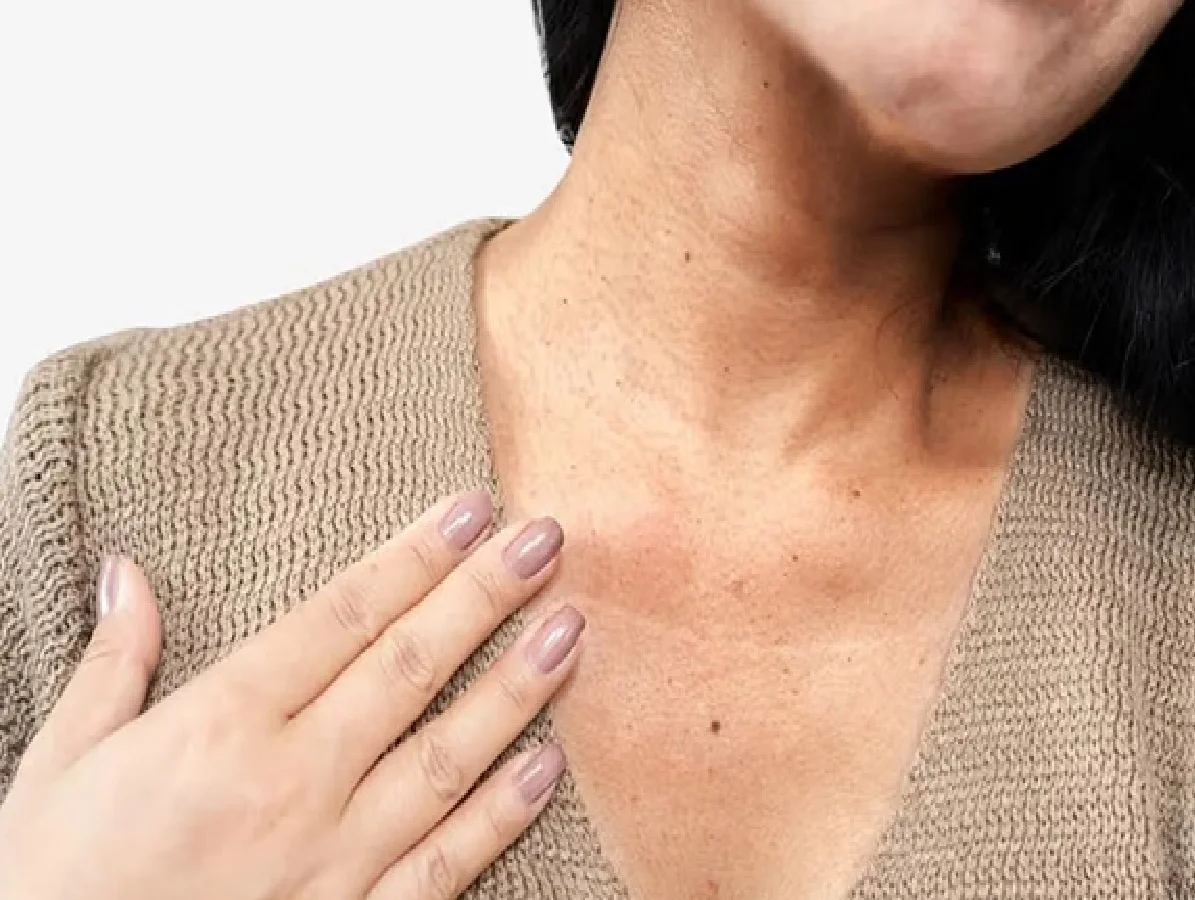
Many people notice dark patches or black discoloration around their neck and assume it is caused by dirt, tanning, poor hygiene, or simple skin pigmentation. However, medical experts warn that darkening around the neck may sometimes signal an underlying health condition rather than just a cosmetic issue.
Doctors say this condition may be linked to Acanthosis Nigricans, a skin disorder that often appears as dark, thickened, velvety patches around areas such as the neck, underarms, elbows, and body folds.
In some cases, these skin changes may act as an early warning sign of serious metabolic or hormonal disorders, including diabetes and insulin resistance.
Study Links Dark Neck Patches With Obesity and Diabetes
A 2025 study published in the International Journal of Clinical Updates and Medical Science examined around 330 patients and found that approximately 4.7 percent of dermatology patients showed symptoms of Acanthosis Nigricans.
One of the most notable findings of the study was that nearly 81 percent of affected individuals had dark patches around the neck area.
Researchers also observed a strong connection between the condition and metabolic disorders:
- Around 67.6 percent of patients were obese
- Nearly 18.8 percent were diagnosed with diabetes
The findings suggest that dark neck pigmentation may sometimes indicate deeper health issues rather than only a skin-related concern.
What Causes Darkening Around the Neck?
According to doctors, one of the most common causes behind dark neck patches is insulin resistance.
Insulin resistance occurs when the body’s cells stop responding properly to insulin, causing blood sugar levels to rise. Over time, this condition may increase the risk of developing Type 2 Diabetes.
Other Possible Causes Include
- Hormonal imbalance
- Polycystic Ovary Syndrome (PCOS)
- Thyroid-related disorders
- Obesity
- Metabolic syndrome
Doctors say people experiencing unexplained skin darkening should consider getting their blood sugar and hormone levels checked.
Certain Medicines May Also Trigger Skin Darkening
Medical experts also note that some medications may contribute to darkening around the neck.
These may include:
- Steroids
- Birth control pills
- Hormonal medications
In rare cases, sudden and rapidly spreading darkening around the neck may even be associated with serious internal illnesses, including cancers linked to the stomach, pancreas, or liver.
Although such cases are uncommon, doctors advise not ignoring sudden or unusual skin changes.
Other Symptoms That May Appear
In Acanthosis Nigricans, the affected skin may become:
- Thick and velvety
- Dark brown or black
- Rough or soft in texture
The condition most commonly appears around:
- Back of the neck
- Underarms
- Elbows
- Groin area
Some people may also experience:
- Mild itching
- Unpleasant odor
- Small skin tags
Usually, the condition develops gradually over time. However, if the darkening spreads rapidly or worsens suddenly, immediate medical consultation is recommended.
Lifestyle Changes Play a Major Role
Doctors say the most important part of treatment often involves improving lifestyle habits.
Helpful Lifestyle Changes
- Maintain healthy body weight
- Exercise regularly
- Reduce sugar intake
- Follow a balanced diet
- Stay physically active
These changes can improve insulin sensitivity and may gradually reduce skin darkening over time.
Treating underlying conditions such as diabetes, PCOS, or thyroid disorders can also significantly improve skin health.
Daily Habits That May Help Prevent the Problem
Health experts recommend following simple preventive habits to reduce the risk of developing dark patches around the neck.
Prevention Tips
- Keep body weight under control
- Avoid excessive sugar consumption
- Eat a nutritious and balanced diet
- Keep the neck area clean and dry
- Avoid excessive friction from tight clothing
- Use sunscreen regularly
Dermatologists also advise avoiding harsh scrubbing or aggressive home remedies that may irritate the skin further.
When Should You Consult a Doctor?
People should seek medical advice if they notice:
- Sudden darkening of the neck
- Rapid spreading of patches
- Persistent skin thickening
- Associated weight gain or fatigue
- Symptoms of diabetes such as excessive thirst or frequent urination
Early diagnosis can help identify potential metabolic or hormonal disorders before they become more serious.
Final Thoughts
Dark patches around the neck should not always be dismissed as simple tanning or dirt buildup. In many cases, they may indicate deeper health issues such as insulin resistance, obesity, diabetes, or hormonal imbalance.
Recognizing these warning signs early and adopting healthier lifestyle habits can help improve both skin health and overall well-being.
If the condition persists or worsens, consulting a dermatologist or healthcare professional is strongly recommended for proper diagnosis and treatment.