
LIFESTYLE
CT Scan Vs X Ray: What is the difference between CT scan and X Ray, which one is necessary for which disease?
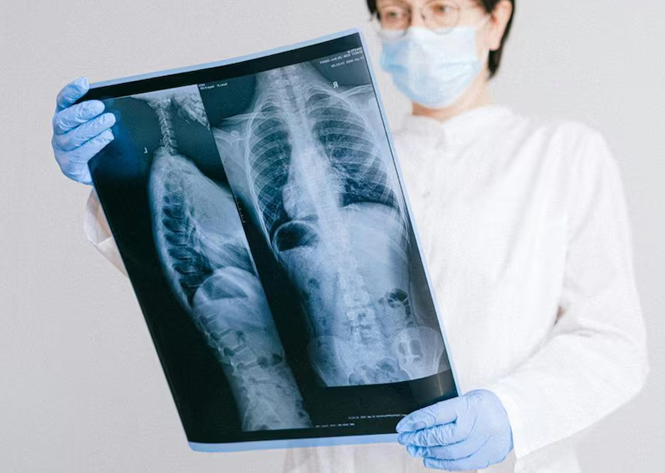
When a CT scan is needed: Almost everyone is familiar with these two terms: CT scan and X-ray. Let us explain the difference between the two and the specific diseases they are used for.
Difference between CT scan and X-ray
Difference Between CT Scan and X-Ray: Medical imaging has become a vital part of modern medicine. It allows doctors to clearly view internal organs and diagnose specific diseases. X-rays and CT scans are two key diagnostic techniques that have revolutionized the world of diagnosis. Although both use radiation, their uses, benefits, and limitations differ. Let's explain the difference between the two.
X-rays: The oldest and most reliable test
X-rays are electromagnetic rays that pass through the body's soft tissues but are blocked by hard structures like bones. This is why bones are clearly visible on X-rays. This test is quick, inexpensive, and available in almost every hospital. X-rays are used to diagnose bone fractures, dental problems, lung and heart diseases. Mammography, for early detection of breast cancer in women, also relies on X-ray technology.
The biggest advantage of X-rays is their quickness and relatively low radiation exposure. However, their limitation is that they don't clearly show soft tissues such as muscles, nerves, or organs. Repeated X-rays can be risky, especially for children and pregnant women.
CT scan: a more informative test
A CT scan is considered an advanced form of X-ray. A rotating X-ray machine takes images of the body from different angles, which are then combined by a computer to create a three-dimensional image. This provides a very clear picture of the body's internal organs.
CT scans are used to diagnose serious injuries, accidents, tumors, cancer, brain injuries, strokes, kidney stones, appendicitis, and abdominal diseases. These tests help doctors pinpoint the location of a disease. However, CT scans use higher radiation than X-rays and are more expensive. In some cases, contrast dye is used, which can cause allergic reactions.
Which test is necessary for which disease?
For a simple bone fracture, tooth, or lung problem, an X-ray is sufficient. However, if the condition is more complex, such as internal injuries, cancer, or brain problems, a CT scan becomes necessary.
Although both X-rays and CT scans are important tests, doctors will determine which test is most appropriate based on the patient's condition, severity of illness, and risk factors.