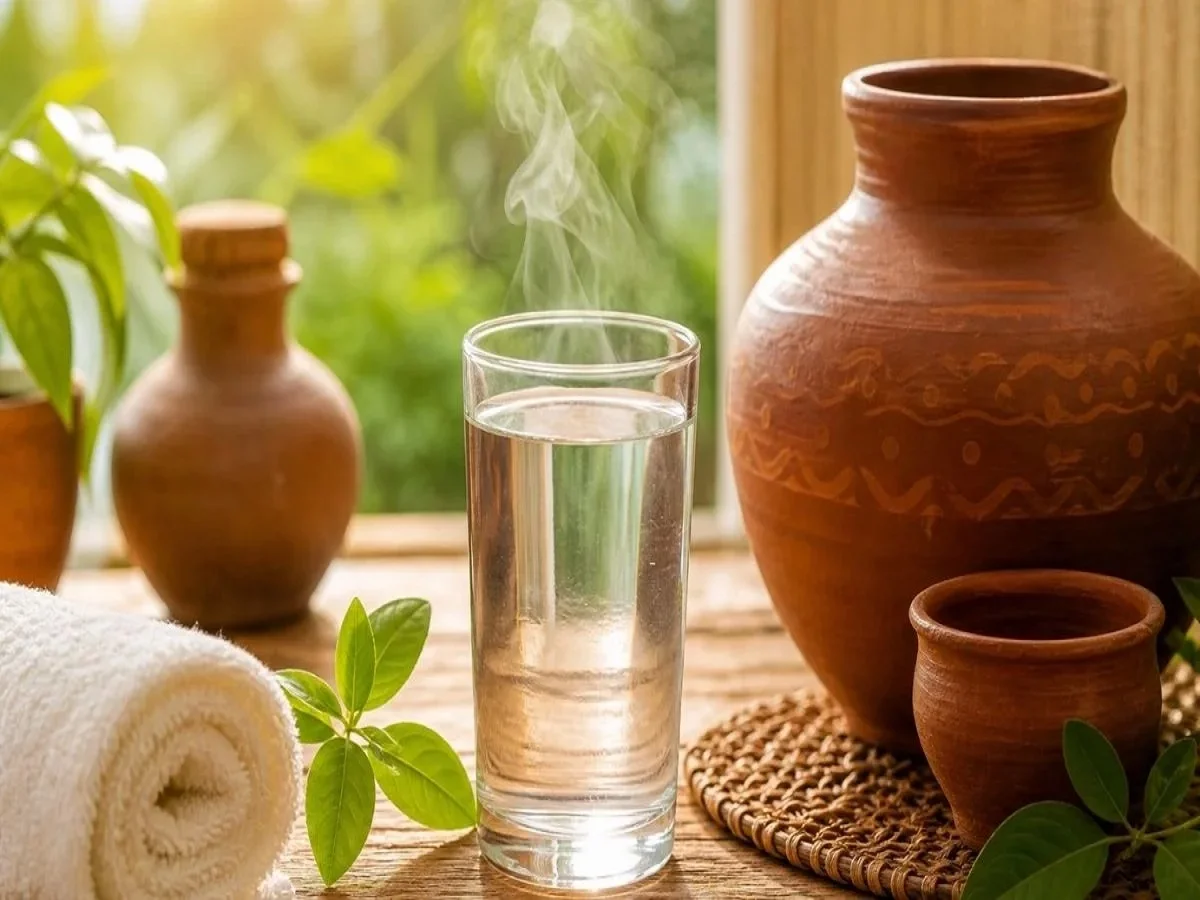
As temperatures continue to climb across northern India and several regions experience heatwave-like conditions, staying hydrated has become a top priority. In many cities, temperatures have crossed 45°C, prompting people to seek quick relief from the scorching heat. One of the most common ways to cool down is by drinking chilled water straight from the refrigerator.
While cold water can feel incredibly refreshing after spending time outdoors, health experts say there is more to the story than immediate comfort. Although chilled water can help cool the body and reduce thirst, consuming extremely cold water too frequently may not always be the healthiest choice for everyone.
So, should you drink cold water during summer, or is room-temperature water a better option? Here's what experts have to say.
Why People Prefer Cold Water in Hot Weather
When the weather is extremely hot, the body loses fluids rapidly through sweating. As a result, people naturally crave cold beverages and chilled water because they provide instant relief from heat and discomfort.
Cold water can help lower body temperature temporarily and create a cooling sensation that many people find refreshing. This is particularly appealing after outdoor activities, exercise, or prolonged exposure to high temperatures.
However, experts emphasize that the temperature of the water is only one part of the hydration equation. Drinking enough water throughout the day remains far more important than whether it is cold or at room temperature.
Benefits of Drinking Cold Water in Summer
When consumed in moderation, chilled water can offer several advantages during hot weather.
Helps Cool the Body Quickly
One of the primary benefits of cold water is its ability to provide immediate relief from excessive heat. After spending time outdoors, a glass of cool water can help reduce the sensation of overheating.
Provides Instant Refreshment
Cold water often feels more refreshing than warm water, especially during peak summer months. This can encourage people to drink more fluids and stay hydrated.
Supports Recovery After Heat Exposure
Drinking cool water after returning from a hot environment may help the body regain comfort and normalize its temperature more quickly.
Can Encourage Better Hydration
Many people find cold water more appealing during summer. If chilled water encourages higher fluid intake, it may help prevent dehydration caused by excessive sweating.
Potential Drawbacks of Excessively Cold Water
While moderate consumption of cool water is generally safe for most healthy individuals, experts caution against regularly drinking ice-cold water in large quantities.
May Affect Digestion
Some studies and health experts suggest that very cold water can temporarily slow digestive processes in certain individuals. This may contribute to discomfort, bloating, or indigestion after meals.
Could Irritate the Throat
Frequent consumption of extremely cold beverages may cause throat irritation in sensitive individuals. Some people may experience temporary discomfort, especially if they are prone to throat-related issues.
May Trigger Headaches in Some People
Very cold water can sometimes cause what's commonly known as a "brain freeze" or cold-stimulus headache. This occurs when sudden exposure to extreme cold affects blood vessels and nerves in the mouth and head.
Possible Discomfort for Individuals with Certain Health Conditions
People with specific medical conditions, including some heart-related issues, may experience discomfort after consuming extremely cold drinks. In such cases, medical advice should be sought regarding appropriate hydration practices.
What Do Health Experts Recommend?
Most health professionals agree that hydration is the priority during summer, not necessarily the temperature of the water.
Experts generally recommend:
- Drinking water regularly throughout the day
- Avoiding dehydration during periods of extreme heat
- Choosing cool or moderately chilled water instead of ice-cold water
- Increasing fluid intake during outdoor activities
- Consuming water-rich fruits and vegetables
For many people, water that is cool rather than extremely cold provides a good balance between comfort and digestive health.
Additional Summer Hydration Tips
To stay healthy during hot weather, consider these hydration strategies:
Drink Water Consistently
Do not wait until you feel extremely thirsty. Sip water regularly throughout the day.
Eat Hydrating Foods
Include foods with high water content such as:
- Watermelon
- Cucumber
- Tomatoes
- Oranges
- Muskmelon
Limit Sugary and Caffeinated Drinks
Excessive consumption of sugary beverages or high-caffeine drinks may contribute to dehydration in some situations.
Replace Lost Electrolytes
During intense heat or prolonged sweating, electrolyte-rich beverages or natural alternatives such as coconut water may be beneficial.
The Bottom Line
Cold water can certainly provide quick relief and help people feel refreshed during the summer months. For most healthy individuals, drinking chilled water in moderation is generally safe and can support hydration efforts during hot weather.
However, experts caution against excessive consumption of ice-cold water, particularly for individuals who experience digestive discomfort, throat sensitivity, or certain underlying health conditions. In many cases, cool or room-temperature water may be the most balanced choice for maintaining hydration and overall well-being.
Disclaimer: This article is intended for informational purposes only and should not be considered medical advice. Individual responses to cold water may vary. Consult a qualified healthcare professional for personalized health recommendations.